Dog Training Nation

In Dogs We Trust

  • Home
  • Training
    • Dogs
    • Puppies
    • Clients
  • Behavior
    • Breeds
  • Health
  • Safety
  • Resources
    • Equipment
    • Books
  • Dog Training Videos
  • About
You are here: Home / Archives for how to train a dog

A Guide To Training A Hearing Impaired Dog

February 8, 2017 by Fanna Easter

Tips on Training a Hearing Impaired Dog
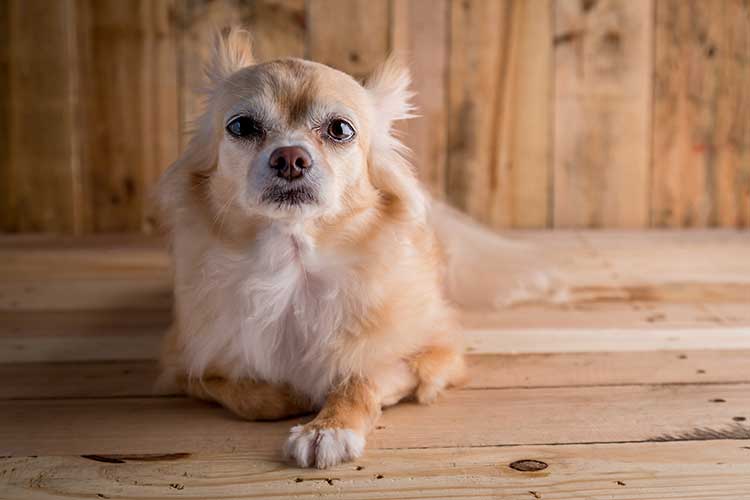
Training Deaf Dogs
whyframeshot/Adobe Stock

Regardless of age, anxiety, fearfulness or physical disabilities, all dogs are able to learn. Since every dog is an individual, pet owners should tweak their positive reinforcement training style to accommodate each dog’s needs. When training a hearing impaired dog, it’s important to follow the same principles of learning while adding a few tweaks to accommodate their hearing impairment.

Use a Tiny Penlight & Yummy Treats

Using a marker word and super yummy treats is the easiest way to teach or reinforce a dog’s behavior. However, since hearing impaired dogs are unable to hear a marker word, you need to engage their other senses, such as sight.

Replace a verbal marker with the flash of a tiny penlight. Remember, a marker provides valuable information to your dog during a dog training session. It’s like taking a picture in time and saying “yes, that’s the behavior that earned you a treat.” Using a penlight as a marker works quickly. I once taught a betta fish how to “touch” and swim through a hoop within a day using a penlight and fruit fly rewards.

When using a pen flashlight, point it on the ground right between your dog’s front feet. When a hearing impaired dog does something right, click the pen flashlight on and off. It should take less than a second. Every time you click the flashlight on/off, give your dog a super yummy treat.

Never point the light in your dog’s eyes because she can see the flash even during daylight hours—a shaded area may work best during bright sunlight. When a dog training session is complete, put dog treats and the flashlight away in a cabinet, which signals to your dog that the training session is done.

RELATED: Choosing the Right Dog Monitor Camera for Your Home

Train a Hearing Impaired Dog the “Look At Me” Cue

While sound isn’t a distraction to hearing impaired dogs, movement is. It’s important to train a hearing impaired dog to look at you when given a cue. At first, mark (using a penlight) and reward your dog every time she looks at you during a training session. Start in a low distraction area, such as inside your home, and practice 1-2 minutes each day. Once your dog learns to look at your face, it’s time to add a cue.

A hearing impaired dog will likely ignore a hand signal because she’s looking at something else, so in this case physical touch works great. During a training session, when your dog looks at you, mark and toss the earned treat a couple of feet away from you.

After your dog eats the treat, lightly touch your dog’s right shoulder and wait for your dog to “look at you.” When this happens, flash your penlight and toss the earned treat a couple of feet away. Continue touching your dog’s shoulder and waiting for your dog to look at you. Then, mark and toss a treat. Quickly, your dog will learn that a touch on her right shoulder means to look at you.

Teach Hand Signals

Dogs learn hand signals rather quickly because you use them often. Before training a hearing impaired dog polite manners, choose a hand signal for each behavior. Here are a few suggestions for hand signals:

  • Come: Squat down and hold arms out.
  • Down: Lower flattened hand (palm facing down) downward from waist.
  • Sit: Raise flattened hand (palm facing up) upward from waist.
  • Walk on loose leash: Wearing a leash is the cue not to pull.

Always Keep Hearing Impaired Dogs on Leash

Movement is very distracting, so keep a hearing impaired dog on leash at all times. If they run away, hearing impaired dogs won’t be able to hear a verbal “come” cue nor approaching cars. Keep your hearing impaired dog on leash whenever you leave your house or you’re in a yard without a fence.

[perfectpullquote align=”full” cite=”” link=”” color=”” class=”” size=””]Shocking a dog is cruel, and shocking a hearing impaired dog is animal abuse. [/perfectpullquote]

Stay Way From Shock Collars

There is no reason a hearing impaired dog should wear a shock collar even at the lowest setting. Shock collars hurt. Don’t believe me? Put one against your throat and have someone else press the button. Yes, it stings. Shocking a dog is cruel, and shocking a hearing impaired dog is animal abuse. Keeping a hearing impaired dog on leash and teaching her life-saving cues work better than shocking her.

Filed Under: Dogs, Training Tagged With: best way to train a deaf dog, can deaf dogs learn, dog training, Dog Training Tips, hearing impaired dogs, how to teach a dog, how to train a deaf dog, how to train a dog, living with a deaf dog, training a deaf dog, training a hearing impaired dog

How To Keep Multiple Dogs Calm When The Doorbell Rings

February 3, 2017 by Fanna Easter

Training Multiple Dogs to Stop Excessive Barking

Stop Excessive Barking
Stieber/iStock

A new client with three small dogs recently contacted me about excessive dog barking. She explained how her three dogs would bark insanely whenever someone rang the doorbell or knocked on the door. She’d get extremely frustrated and embarrassed when guests came over, and she just wanted her dogs calm when the doorbell rings.

When I arrived and rang the doorbell, I’m sure her neighbors three blocks away heard these dogs barking. We quickly went to work during our private consultation, and we taught each dog how to keep calm when the doorbell rings or someone knocks. Even better, my client learned how to reinforce quiet behavior.

Changing the behavior of multiple dogs may seem daunting, but it’s actually quite simple when following a few dog training tips. During our private consultation, it took 10 minutes to teach three small dogs to bark only once when the doorbell rang, and this included breaks. My client seems to be having tremendous success as well. 🙂

How to Train Multiple Dogs to Stop Barking

Choose High Value Rewards

When training multiple dogs, it’s best to use super yummy rewards. Remember, treats are a dog’s currency; it’s how he’s paid for doing a good job. Dogs love baked chicken, cheese chunks or diced up hot dogs, which can be found at any grocery store. Before a dog training session, chop treats into pea-sized bites and place inside a plastic zip bag for easy access.

Teach One Dog at a Time

It’s easiest to train one dog at a time, and then slowly add another dog into the mix. When choosing your first dog to teach, select the barkiest dog of the bunch. Usually, one dog starts the barking session and gets the others riled up—choose this feisty little one.

It’s important to focus on the barkiest dog first because it sets the other dogs up for success. Keep the other dogs in your bedroom with the door closed. If they bark while you’re training the first dog, know that it’s OK and it won’t affect their training later.

Teach Self-Control First

Grab your diced up dog training treats and get started. While standing, reward your dog for keeping all four feet on the floor or for sitting. You don’t need to cue your dog; just wait for it to happen. Reward your dog every time he chooses to stand or sit, so he quickly learns that this behavior makes hot dog pieces rain from the sky.

If your dog remains sitting and standing, which is the goal, toss his earned treat about 2-3 feet away from him. This way, he must stand up and walk away to get his earned treat. When this happens, wait for him to sit or stand next to you again, then reward. Trust me, once your dog figures out that “four feet on the floor” makes hot dogs rain from your hands, he’ll happily stand for you.

Rewarding a dog for sitting or standing teaches him self-control, rewards him for quiet behavior and teaches him how to earn treats. Once your dog can stand or sit for a few seconds, it’s time to focus on the ringing doorbell.

Have Someone Ring the Doorbell

Ask a friend to step outside and ring the doorbell. Usually, a very barky dog will bark a couple of times, then suddenly remember that standing or sitting quietly makes treats appear. The moment your dog stops barking, say “yes” and reward him by tossing a treat by your feet. Continue having your friend ring the doorbell a few more times and reward your quiet dog.

Tossing food next to your feet teaches your dog to stay or return back to you, which prevents him from running up to the front door. If your dog continues to bark, say his name, which will likely cause him to stop barking. When this happens, say “yes” and reward. Take a short break before introducing the second dog.

Now, Train Two Dogs

Once your first dog learns to bark once or twice at the doorbell, then sits or stands quietly, it’s time to introduce your second dog. Walk over and let the second dog out for a dog training session. Usually, the second dog will come running down the hallway, because she’s excited to participate in the fun.

Reward both dogs for sitting or standing still next to you. When giving out treats, prevent your dogs from fighting over treats by extending your hand out and placing the treat in the dog’s mouth that earned it. Then, reward the dog that offers the sit or stand behavior first, and wait for the other dog to figure it out.

When training two dogs together, it’s amazing how fast the second dog learns when watching the first dog. Once both dogs will stand or sit next to you for a few minutes, it’s time to practice with the doorbell.

Ask a friend to step outside and ring the doorbell again. As the doorbell rings, your second dog will likely look over at the first dog, bark a couple of times, then choose to stop barking just like your first dog. When this happens, reward both dogs for being quiet. Continue to practice and reward both dogs for choosing to remain quiet. After 1-2 minutes, take a short break before adding the last dog into the dog training session.

Train All Three Dogs

Now that two dogs have learned to stand or sit quietly when the doorbell rings, your last dog will quickly pick up this dog behavior. Ask a friend to step outside again and ring the doorbell. The moment each dog chooses to be quiet, say “yes” and reward. Practice a few more times, then end the session.

Practice Several Times Per Week

In the beginning, practice 1-2 minutes per day. During the first week, you’ll notice a huge decrease in dogs barking at the doorbell. After the first week, keep practicing 3-4 times per week with dog training sessions lasting 1-2 minutes. Use high value treats or bits of your dog’s kibble during mealtime. Practice reminds each dog how to keep calm when the doorbell rings regardless if it’s visiting guests or the FedEx guy.

Soon, you’ll happily show off your dogs’ polite doorbell skills to guests. 🙂

Filed Under: Clients, Dogs, Training Tagged With: dog barks at doorbell, dog training, Dog Training Tips, dogs barking at door, how to stop dog barking at doorbell, how to teach a dog, how to train a dog, multiple dogs bark at doorbell, stops dogs from barking at doorbell, teaching a dog, training a dog

Pet Tutor: The Dog Treat Dispenser You Wish You Had

January 25, 2017 by Fanna Easter

Pet Tutor Dog Treat Dispenser Review

Dog Treat Dispenser
Courtesy of Pet Tutor

Technology continues to advance within the pet industry at lightning fast speed. Several new pet-friendly apps, dog monitor camera systems and remote training devices will positively change dog training forever.

At the top of the technology heap is Smart Animal Training Systems’ Pet Tutor. The dog treat dispenser is a shining star beaming with endless pet training and enrichment opportunities for dogs. With Pet Tutor’s technology, endless options and a savvy dog trainer, this tool has the power to replace shock collars. The only limitation to the product is a dog trainer or pet owner’s imagination.

What is a Pet Tutor?

Pet Tutor is a computerized dog treat dispenser programmed with different dispensing settings, which can be controlled through a smart remote or mobile app. Pet Tutor’s tube is made of stainless steel and lexan, which is a clear and super strong polycarbonate. Lexan is so strong that it’s considered bullet resistant, and used in safety glasses.

In addition, this blue cylindrical device is mobile. You can place it on the ground, mount it to a crate or hang it from a wall with a 3M removable hook.

Setting Up Pet Tutor

Pet Tutor sets up easily, dispenses dog treats soundlessly, and offers endless mental enrichment ideas and training possibilities for your dog. It only takes a couple of seconds to set up the treat dispensing function. If you’re using the training system’s more advanced settings, such as installing a Bluetooth app, setup can take 5-6 minutes.

Dispenses All Types of Treats!

Another huge bonus is Pet Tutor will dispense different types of high value treats. Smart Animal Training Systems has a patented treat dispensing design that prevents training treats from jamming, so any type of treat can be used. Think kibble, chopped up hot dogs, diced string cheese, etc. Some animal trainers use chopped up carrots to teach horses to stand still during grooming while others are dispensing birdseed when teaching birds new behaviors.

Pet Tutor Creator

Wes Anderson created Pet Tutor as a fun game that infuses and combines positive reinforcement training principles and mental stimulation. In the past, Wes worked as an electrical engineer and statistician. He studied neuroscience with a focus on Alzheimer’s research. Recently, Wes decided to focus on another passion and became a dog trainer. Using his extensive knowledge, he designed and created Pet Tutor and committed himself to offering the latest updates as technology advances.

How Will Pet Tutor Help My Dog?

Pet Tutor is a game changer in the animal behavior world. This dog training tool can slow down fast eating dogs, offers different forms of mental stimulation and teaches a dog that barking doesn’t pay. Yes, this dog treat dispenser will certainly help dogs.

Slow Fast Eating Dogs

For fast eating dogs, Pet Tutor will slow down meals by dispensing one kibble at a time. Instead of inhaling food within seconds, dogs may take up to 20 minutes eating their meals, depending on your chosen setting. All you have to do is go on the Pet Tutor smartphone app and change the setting to dispense treats over a period of time and voila! With a few taps, you’ve maximized your dog’s mealtime.

Provide Super Powered Mental Enrichment

Take mealtimes up a notch by teaching a dog to walk over and touch a Kong Wobbler. The dog learns that touching a Kong Wobbler, that’s sitting on the ground, will dispense a treat from the device. Simply place a smartphone that has the Pet Tutor app, or remote, inside a plastic Kong Wobbler to get started!

Stop Dog Barking

Pet Tutor’s technology will dispense treats while a pet owner is away or out of sight. Using a smart remote or app, pet owners can reward dogs for quiet behavior from another room or even online. When away, you can use the training system to reward your dog’s quiet behavior for you. Dogs quickly learn that quiet behavior pays well and barking becomes a thing of the past.

Help Dogs With Separation Anxiety

Separation anxiety in dogs is much more than excessive barking; it’s a very serious issue. In short, dogs with separation anxiety panic when they’re left alone, which can result in them seriously harming themselves. The training system can certainly help with separation anxiety, but it requires the expertise of a professional dog trainer or veterinary behaviorist for best results.

Smart Animal Training Systems is committed to evolving its products as new pet technology is discovered. Pet Tutor offers remote rewards through a smartphone or tablet. Pet owners can check in on their dogs using Pet Tutor’s tablet or smartphone app. Additionally, pet owners can instantly dispense treats to reward good behavior remotely.

While many dog camera systems offer this option, there’s a slight delay between pressing the treat dispense button on a smartphone and the treat being dispensed. When changing dog behavior, timing and speed is essential.

https://youtu.be/Jrlrj62-GMY

Filed Under: Behavior, Dogs, Equipment, Resources, Training Tagged With: bored dog, dog barks in crate, dog training, Dog Training Tips, how to stop a dog from barking, how to teach a dog, how to train a dog, pet tutor, pet tutor review, slow down fast eating dog, stops dog barking, tips for bored dogs

Easy Impulse Control Exercises To Teach Dogs Self-Control

January 23, 2017 by Fanna Easter

Self-Control Games For Dogs That Work

Self-Control Games for Dogs
supercat67/iStock

Controlling your behavior in certain situations is tough, so it’s easy to sympathize with dogs. Many dogs struggle to behave calmly in exciting situations because they haven’t been taught what to do. As pet owners, it’s our responsibility to teach dogs self-control at an early age. Never punish a dog for getting excited, knocking over furniture, jumping up on people or stealing food from your hand. Train your dog what to do instead. These fun and quick self-control games teach dogs to control their impulsive behavior to earn rewards.

What You’ll Need

You’ll need lots of pea-sized high value treats (i.e. chopped up hot dogs, cheese chunks), a dog training clicker (or verbal marker “yes”) and your dog. Each dog training session should last 1-2 minutes, so set a kitchen timer. Give your dog a break in between sessions, and practice again for 1-2 minutes. Practice once or twice a day for best results.

Self-Control Games for Dogs

Each impulse control exercise teaches your dog how to control her behavior to earn a reward. Basically, you’re teaching your dog that doing this, instead of that, will make a treat appear.

1. Touch

Many dogs get excited and nip or mouth hands, especially if hands are moving away really fast. During a game of “touch,” dogs learn to calmly and lightly touch their noses toward the palm of your hand rather than touching your hand with their teeth. This self-control game is fun and addicting for dogs, which is a good thing. Additionally, this game can be played anywhere and at anytime.

https://youtu.be/d-spTywRXEo

2. Leave It

During this self-control exercise, dogs learn that ignoring a treat makes it appear. To begin, hide a super yummy treat inside of your closed fist. Now, place your fist right in front of your dog’s nose and wait.

At first, your dog will lick at your hand in attempt to reach the treat. The moment you no longer feel your dog touching your hand, say “yes” and reward with the treat in your open hand. You’re rewarding your dog to leave your treat hand alone. Soon, your dog will turn her head away, or even remain seated when presented with a treat in your hand. Now that’s self-control!

3. Place

Teaching an energetic dog to settle in one spot is challenging. With this self-control game for dogs, you’ll teach your dog to lie down on a mat. In the beginning, you’ll teach her to place two paws on the mat, then place four paws, sit and finally lie down on the mat. Check out details for teaching the “place” behavior.

4. Sit

Usually, “sit” is the first dog behavior most puppies and dogs learn, which is a good thing. When your dog jumps up, runs out the door or gets super excited, ask her to “sit.” When your dog sits, reward her immediately and generously. Soon, your dog will learn to “sit” when guests come over, when food is on the counter or before she walks out a door.

https://youtu.be/5aaa7DxKDfo

5. Wait Before Eating

When it’s dinner time, dogs get excited! Mealtimes are a perfect time to practice self-control. When lowering a food filled bowl down for your dog to eat, wait for your dog to “sit” or back away from the food bowl. If your dog rushes toward the bowl, simply pick up the bowl. Once your dog sits or stands quietly back, lower the bowl again. Once the bowl is down, say “okay,” so your dog can enjoy her meal.

https://youtu.be/2jBFJ2fGiqA

Filed Under: Dogs, Games, Resources, Training Tagged With: dog training, Dog Training Tips, help for excited dog, help for hyper dog, how to teach a dog, how to train a dog, hyper dog tips, impulse control games for dogs, self control games for dogs, teach your dog self control, teaching a dog, training a dog

Can A Dog Be Too Food Motivated?

January 16, 2017 by Fanna Easter

Your Food Obsessed Dog May Just Be Distracted

Food Obsessed Dog
Mikkel Bigandt/Adobe Stock

When pet owners are introduced to positive reinforcement, a common question they ask is, “Can a dog become too food motivated?” I must say the concern is a very misunderstood one.

When teaching your dog new behaviors, there are no black-and-white answers. Instead, there are shades of gray that can confuse novice pet owners and dog trainers alike. What seems like excessive excitement about food may simply be something completely different.

Before assuming your dog is too food motivated, you should make a few dog training adjustments, which can make a huge difference in food obsessed dogs.

Signs of a Food Obsessed Dog

When dogs get excited about food, many pet owners feel they’re “too food motivated.” From another perspective, I know many people that behave similarly when margaritas are served. 🙂 When dogs are excited, they may:

  • Jump up
  • Drool
  • Knock over furniture and people
  • Lack focus
  • Focus only on food in hand, on floor, etc.
  • Ignore (not listen to) “commands”
  • Will only sit for a treat
  • Mug, bump or steal from treat bag

Is It Really Food Causing Excitement?

Dogs get excited about food; it’s natural canine behavior. When dogs are introduced to high value treats (i.e. baked chicken, cubed cheese, chopped up lunch meat), especially if they’ve never eaten it before, over excitement is understandable.

Excessive excitement can frustrate the pet owner and dog, so it’s important to bring a dog’s arousal level down a bit. Plus, excited dogs have a harder time learning because they lose focus. During dog training sessions, pet owners should be aware of their own behavior too.

To keep your behavior in check during training sessions, record both you and your dog on your smartphone. Then, make the following adjustments suggested below and record again. You’ll notice a quick and positive difference in your food obsessed dog’s behavior.

Avoid High-Pitched Rapidly Repeating Sounds

Dogs love high-pitched and rapidly repeating sounds—that’s why dog toys have squeakers. When dogs hear squeaky sounds, they get excited. They jump up, run over to the sound, focus on the person or thing making the sound, and dance around because they’re excited!

Fortunately, humans can easily mimic these high-pitched sounds. While many pet owners use these sounds as rewards for good behavior, they can inadvertently use these sounds during dog training too. When pet owners rapidly repeat a cue (e.g. “sit,” “sit,” “sit”), this can cause excitement even if said in a deep tone.

When teaching your dog a new behavior, or practicing an old behavior, say the “sit” cue once. If your dog doesn’t respond, he or she probably doesn’t understand what the verbal cue means. Or your dog has never practiced this behavior in that situation, and is too distracted. Never assume your dog understands a cue. Even if your dog has done the behavior before or will do it elsewhere, it may have been a fluke or you forgot to reward it.

RELATED: What Is Your Dog Saying? Interpreting Dog Sounds

Go Slowly

Oh, this is a big one! Fast movement will get a dog super excited—and quickly! Don’t believe me? Try running around the backyard with your dog. Even better, try running around the backyard while your dog watches you from a window. 🙂 Not only is movement fun, but it’s very distracting for dogs too.

During dog training sessions, it’s important to move slowly. Stand still and hold a treat in one hand. When luring a dog, place the treat on your dog’s nose and move slowly. If you move a food lure too quickly, your dog will move just as fast. When in doubt, put the treat back in your pocket and take a deep breath. Slowly remove the treat from your pocket and try moving slower. Make sure to keep the food lure in front of your dog’s nose. Holding treats too high will cause your dog to jump up for the treat. When you move slowly, your dog will too. 🙂

Make It Clear

When teaching or practicing a dog behavior, clear communication is key. Confusion can look like excitement, especially if a treat is bouncing around a dog’s face. If someone is holding a $100 bill in front of you, while speaking in a foreign language, you’ll try to figure out how to earn the $100.

Now, if this person moves the money around your face really fast, while repeating a sound over and over again loudly, you’ll likely snatch at the money due to frustration. From your perspective (learner), this person is teasing you with a $100 bill, right? From the other person’s perspective (teacher), he’s just holding the money in his hand while asking you to “sit.” 🙂

When in doubt, stop and video record your dog training sessions. When re-watching the video, ask yourself if you’re clearly communicating with your dog. If not, take a moment and think through your plan. Better yet, ask a certified dog trainer for tips. They can help jump-start your training sessions.

Still Think You Have a Food Obsessed Dog?

High-pitched, rapidly repeating sounds coupled with fast movements are exciting for your dog. Add a dash of confusion into the mix, and your dog is bouncing around like a ping-pong ball. Ninety percent of the time, a dog will sit still around food when pet owners remove these exciting and distracting factors. As for the other 10%, these dogs will relax quickly after earning and consuming a high value reward a few times. If a dog still leaps into the air for baked chicken, it’s time to reward impulse control games.

Filed Under: Behavior, Dogs, Puppies, Training Tagged With: dog gets excited with treats, dog too food motivated, dog training, Dog Training Tips, dogs loves training treats too much, food driven dog, food obsessed dog, how to teach a dog, how to train a dog, teaching a dog, training a dog

  • « Previous Page
  • 1
  • …
  • 10
  • 11
  • 12
  • 13
  • 14
  • …
  • 37
  • Next Page »

About

Dog Training Nation is a community of dog trainers, dog owners and dog lovers. Our mission is to provide trainers and owners valuable information to enrich dogs' lives. We cover a range of topics, from socializing puppies to dealing with aggressive dog behavior to selecting the best dog products. It is our hope you share our content to make the dog and owner world a better place.

​

Facebook

Video

Dog Training Nation is a dog training blog for pet owners and dog lovers. We cover a range of topics from puppy socialization tips to dog aggression to dog health. It is our hope you share our content to make the world a better place for dogs.

Dog Training Nation

Quick Links

Dog Training
Dog Behavior
Dog Training Videos
Become a Dog Trainer
About
Contact Us

Copyright © 2026 · Lifestyle Pro Theme on Genesis Framework · WordPress · Log in
