Dog Training Nation

In Dogs We Trust

  • Home
  • Training
    • Dogs
    • Puppies
    • Clients
  • Behavior
    • Breeds
  • Health
  • Safety
  • Resources
    • Equipment
    • Books
  • Dog Training Videos
  • About
You are here: Home / Archives for how to train a dog

How To Teach Your Dog Cavaletti

November 1, 2017 by Fanna Easter

Cavaletti for Dogs

Cavaletti for Dogs
ARochau/Adobe Stock

Cavaletti training teaches dogs to walk over poles and different surfaces placed on the ground. It is a form of exercise that focuses on slow controlled movements. As a dog approaches and steps over each pole, she must lift up each leg carefully to prevent stepping on or bumping the pole. While this seems easy, it’s really challenging, especially when dogs have altered their gait due to injury.

Benefits of Cavaletti for Dogs

During a cavaletti exercise, dogs relearn how to maintain their balance as they carefully place one paw down over a pole while raising their other paw up. Cavaletti increases a dog’s range of motion and teaches her to put equal amount of weight on each limb.

Cavaletti courses are fun exercises for all dogs even for those without injuries. It’s a great way to build a dog’s confidence, lengthen her stride, and keep her fit both mentally and physically. Plus, you can place cavaletti equipment anywhere.

RELATED: Barn Hunt: The Nose Sport Your Dog Needs to Try

How to Set Up a Cavaletti Course

On a non-skid surface, place cavaletti poles horizontally and flat on the ground. For large dogs, place poles 3 feet apart and, for smaller dogs, 1-2 feet apart.

Lure your dog over each pole slowly with a yummy treat. If your dog hops or jumps over the poles, you’re moving too quickly. Sometimes, dogs get a bit nervous when poles roll around under their feet, so secure them by stepping on a pole as your dog crosses over it. Bumping and tapping poles are normal at first. After some practice, your dog will precisely pick up and place her feet between each pole! If your dog becomes super excited around treats, practice loose leash walking across poles first. Remember, slow controlled movements are key.

Making It More Difficult

Slow controlled movement builds muscle and teaches dogs how to balance around obstacles. Once your dog learns to carefully step over each pole, move the poles closer together. Now, she will have to step over several poles at one time, which is extremely challenging, so move slowly. For larger dogs, slightly increase the height of poles, so they must pick up each leg.

Has your dog tried cavaletti yet? Post your pictures below!

WATCH: How To Teach Your Dog Cavaletti

Filed Under: Games, Resources Tagged With: cavaletti for dogs, cavaletti jumps for dogs, cavaletti poles, DIY dog cavaletti, dog agility cavaletti, dog behavior, dog cavaletti, dog sports, dog training, Dog Training Tips, how to make cavalettis, how to teach a dog, how to teach cavaletti, how to train a dog, teaching a dog, training a dog

How To Stretch Your Dog’s Neck

October 30, 2017 by Fanna Easter

Dog Stretching Exercise for Neck Injuries

Dog Stretching
Nebojsa/Adobe Stock

It’s official: My dog has a muscular neck injury. The last six years of trying to determine the exact cause of my dog’s neck injury has proven to be fruitless. Our veterinarian thinks there are many causes that have resulted in this injury. Stella is a Miniature Bull Terrier; so, when hucklebutting through our home, she does bounce off the walls.

While this issue has festered off and on, it’s gotten much worse lately. She started having daily muscle spasms that sent her hiding under our bed. Even with rest and pain medication, her spasms have continued.

Thankfully, we partnered with our veterinarian and a holistic veterinarian who specializes in chiropractic and acupuncture care to find a cure. Neck stretches are our daily homework now. Our holistic vet was adamant about how to perform these dog stretching exercises, so I’ll share them with you!

First, Ask Your Veterinarian

Dog neck injuries are very serious. Your veterinarian must thoroughly examine your dog before adding neck stretches into her daily routine. Some dogs have slipped discs and nerve damage that will worsen with neck exercises and stretches, so rule out major issues first.

Fortunately, Stella’s neck issue is muscle related. Bi-weekly chiropractic and acupuncture adjustments, coupled with stretches and heat therapy, have been extremely beneficial.

How to Stretch Your Dog’s Neck

Use yummy treats, such as chopped up hot dogs or cheese chunks, and place a large treat chunk about an inch from your dog’s nose.

  1. Slowly move the treat toward your dog’s left shoulder and give her the treat.
  2. Now, grab another treat and lure your dog’s nose toward her right shoulder, then give her the treat.
  3. Place another treat on your dog’s nose and slowly raise the treat up and over her head to extend her neck fully upright, then give her the treat.
  4. Lastly, hold a treat between your dog’s front legs (at her mid-chest), so your dog bows her head downward.

All dogs (and humans) have different ranges of motion, so resist the temptation to overstretch (move head further up, down or over). Refrain from holding or lengthening a stretch for too long, as this will be painful and cause muscle spasms. Once your dog’s head is in place, quickly give her a treat and move onto the next stretch.

How Often You Should Stretch Your Dog

Our chiropractic veterinarian recommended doing dog stretching exercises followed by a warm compress for 15 minutes every day. Usually, we complete neck and shoulder stretches in the evening, so we can get comfy while placing a warm compress across Stella’s neck and shoulders.

Results

Fingers crossed, Stella is doing well! Since starting acupuncture, chiropractic adjustments and stretches, my dog has not had a muscle spasm and is off all pain medicine. (Knock on wood!)

WATCH: Dog Stretching Exercises for Neck Injuries

Filed Under: Health Tagged With: canine stretching exercises, dog health, dog neck stretches, dog stretching, dog stretching neck, dog training, Dog Training Tips, how to teach a dog, how to train a dog, neck exercises for dogs, ROM neck dog, teach a dog, train a dog, using food for dog next stretches

Thinking Of Getting A Siberian Husky? Read This

October 27, 2017 by Fanna Easter

Things to Know Before Getting a Siberian Husky

Siberian Husky
Zakharov Evgeniy/Adobe Stock

Everyone remembers the first time she saw or met a Siberian Husky. The encounter is truly a magical moment. This dog breed’s striking double coat, coat coloring and gorgeous eyes are true showstoppers with which many pet owners fall instantly in love. Before you buy or rescue a Siberian Husky, there are a few things you should know before adding this stunning breed to your family.

Boy, Do They Shed!

Siberian Huskies shed like a raging January snowstorm in North Dakota. Their beautiful double coat blows out profusely during spring and summer. Daily brushings with the appropriate brushing tools will help, but loose hair will still stick to furniture and clothes, hide in your refrigerator, and land in your mouth. If shedding doesn’t bother you, then consider this breed, but there’s more!

Siberians are Strong

This breed was bred to pull sleds at high speeds, meaning they are super strong. Siberian Huskies can easily pull down or knock over a grown adult, so care must be taken with small children. They move fast and love to run, so it’s important to ensure your lifestyle provides them their daily exercise!

Super Friendly With Everyone

While this breed was created to work in cold climates, they are not fierce protectors. Siberians love everyone and easily jump on and over guests, so teaching polite greeting manners is vital. While Siberians can scare some people with their medium size, plush coat and prick ears, they probably won’t bark enough to protect your home. Many pet owners love this characteristic, and adore their Siberian’s “Walmart greeter” behavior.

They are Not Wolves

Siberian Huskies have risen in popularity lately due to shows, such as “Game of Thrones.” Unfortunately, this has resulted in rescue groups drowning in owner-surrendered dogs. Siberian Huskies are not wolves nor are they even part wolf. They are domesticated dogs. If someone advertises wolf or wolf-hybrid Siberian Huskies, stay away. Sharing your home with a wolf is an entirely different and dangerous situation.

Still Want a Siberian Husky?

If you’re still interested in getting a Siberian Husky, then I’d recommend meeting several Siberians in person at dog shows. Reputable dog breeders show their dogs to a certain strict breed standard and health test all dogs. These are the Siberian Husky experts. Believe it or not, responsible breeders charge the same prices as irresponsible breeders, and responsible breeders provide a lifetime of support. Before purchasing or adopting a Siberian, contact these reputable breeders and rescuers first. Better yet, join the Siberian Husky Club of America.

Take time to learn more about your desired dog breed before bringing him into your home. Knowing what you’re getting into is best for everyone, including the dog.

Filed Under: Breeds, Dogs, Training Tagged With: before buying a Siberian Husky, dog breed information, dog breeds, dog training, Dog Training Tips, how to teach a dog, how to train a dog, owning a siberian husky tips, should i get husky, siberian dog purchase, Siberian husky, siberian husky breed information, siberian husky personality, Siberian husky puppy, things to know about siberian huskies, things to know before adopting a siberian husky, things to know before getting a siberian husky, where to buy a siberian husky puppy

Why I Don’t Walk My Dogs In My Neighborhood

October 25, 2017 by Fanna Easter

Don’t Feel Bad If You Don’t Walk Your Dog

Rude Dogs
Halfpoint/Adobe Stock

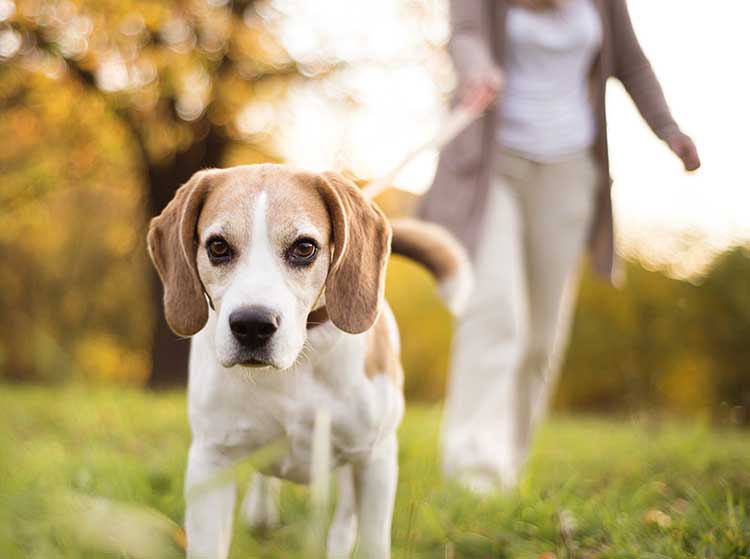
This may surprise some pet owners, while others can completely understand, but I refuse to walk my dogs in my neighborhood anymore. As a professional dog trainer, I agree dogs need daily exercise. However, when daily walks become dangerous, it’s time to choose different forms of exercise.

Why I Don’t Do It Anymore

As temperatures cool down, our neighborhood sidewalks are filled with people enjoying the fresh air. Everyone hibernates through the brutal Texas summers, so naturally they will want to shed those extra pounds and exercise their dogs during the fall. The fact that more people are outside isn’t the reason why I don’t walk my dogs anymore. Instead, these are the two major reasons why I stopped bringing my dogs along for walks.

Rude Dogs

Cooler temperatures means more dogs are left outside in backyards unattended. As I walk by a house, these unattended dogs run along fence lines and start barking loudly. Some dogs even bang on windows barking fiercely indoors. These dog behaviors are super annoying and alarming for both my dogs and myself.

I’m forced to navigate sidewalks to avoid rude dog behavior. Plus, seeing rude dogs barking is extremely stressful for my dogs. Think about it this way: Dogs barking and lunging behind fences and windows is equivalent to them screaming, “I’m gonna beat you up fool,” to the passerby dog. Not only is this impolite behavior to other dogs, but it’s downright rude and preventable too. No dog should deal with this nasty dog behavior during a daily walk.

As humans, we understand these dogs are contained, but our dogs don’t understand that. Instead, they feel like they’re walking on eggshells, fearing for their safety. Also, constant exposure to a rude dog while on leash can lead to your dog becoming leash aggressive. Being continuously bombarded with threatening dogs that they can’t run away from may cause them to be threatening back. On the flip side, the dogs doing the barking and lunging from behind the fence learn that their aggressive behavior makes dogs leave, so they in turn become dog aggressive.

Loose Dogs

Today, I encountered two loose dogs within 20 feet of my home. Thankfully, I don’t bring my dogs walking with me any longer, but it still makes me extremely upset when inconsiderate dog owners leave their dogs loose outside. I have a few choice words with owners if they are around. Loose dogs are dangerous and can charge at your dog while walking, which teaches your dog dog aggression. By far, loose dogs make my hackles stand on end.

Neighbors, Contain Your Dogs!

Yes, I’ve screamed this very sentence at the top of my lungs numerous times. Pet owners must contain their dogs! Keep your dogs secured indoors or behind a fence, and never leave a dog unattended outdoors. Additionally, stop allowing dogs to bark and lunge at dogs (or anyone). Crate your window barking dog or keep him in an area with no access to windows. Trust me, while it seems like your dog is just “letting off steam,” your dog is becoming dog aggressive and you can be sued if your dog hurts someone or another dog.

How to Safely Exercise Your Dog

Of course, we all need exercise, including our dogs. Remember, mental stimulation is just as exhausting as physical exercise, so keep your dog’s brain busy. Here are a few options to keep your dog mentally and physically fit:

  • Play fetch daily.
  • Enroll in a weekly group class, such as nose work, agility or fly ball.
  • Provide all meals in food puzzles and stuff in toys.
  • Teach your dog to walk on a treadmill.
  • Toss kibble or treats into your backyard.
  • Play nose work games indoors.
  • Go hiking on private property—with permission, of course.
  • Bring your dog on car rides.

Rethink walking your dog around rude dogs. As pet owners, it’s our job to keep our dogs safe. 

Filed Under: Safety Tagged With: dog safety, dog training, Dog Training Tips, don't walk dog in neighborhood, how to teach a dog, how to train a dog, inconsiderate dog owners, loose dogs on walks, rude dog owners, rude dogs, rude dogs on walks, teach a dog, train a dog, walk your dog

Is Your Dog’s Behavior Improving?

October 23, 2017 by Fanna Easter

Improve Your Dog’s Behavior in 3 Steps

Dog's Behavior
melounix/Adobe Stock

When teaching a dog one or several new behaviors, it can be tricky to gauge if a dog’s behavior has permanently changed. Dog behavior can fluctuate depending on the situation and your dog’s health (hey, he might not feel well that day). Before assuming your dog’s behavior has changed, it’s best to follow these steps to ensure your dog’s behavior improves. These steps will also help you identify where your dog’s behavior fell apart.

Step 1: Dog Readily Offers Learned Behavior

You’ll know when a dog has learned a new behavior when he readily offers it during dog training sessions. As an example, dogs learn how to “sit” pretty quickly, especially when they receive a treat for it. They will usually offer a “sit” behavior because it makes cheese appear. When teaching a new behavior, such as “down,” a dog should offer or can be easily lured into this behavior before you continue to step 2.

Step 2: Dog Responds to Cue

Once a dog offers or can be easily lured into a new behavior, it’s time to give it a “cue.” Putting a behavior on cue is extremely important because that’s how to ask a dog to perform a behavior (stimulus control).

If you would like your dog to “sit and stay” around guests, then these behaviors need a name, so your dog will know what to do when you say it around guests. Once a cue (sit) is paired with a behavior (sitting down), your dog should respond to the cue within a few seconds. Continue to practice until your dog responds within a second after hearing the cue. Rewarding generously will certainly speed up the process.

RELATED: Learn From Dog Training Mistakes

Step 3: Dog Performs Around Distractions

Most dogs can “sit,” “down,” “come” and “stay” at home, but can they perform these behaviors in the front yard or park? This is the most difficult part of improving a dog’s behavior. In fact, this is where most pet owners become frustrated and give up. As a general rule, when training your dog, 90% of teaching a new behavior is practiced around distractions. It’s great when dogs “sit” instantly on cue, but it’s even better when dogs can “sit” instantly when guests come over.

Moving from one step to the next certainly shows improvement, so keep practicing! 

Filed Under: Clients, Training Tagged With: dog behavior, dog behavior improving, dog obedience cues improving, dog trainer, dog training, dog training commands getting better, Dog Training Tips, dog's behavior, how to teach a dog, how to train a dog, is dog training working on my dog, is my dog's behavior improving, professional dog trainer, teach a dog, train a dog, training dogs

  • « Previous Page
  • 1
  • …
  • 4
  • 5
  • 6
  • 7
  • 8
  • …
  • 37
  • Next Page »

About

Dog Training Nation is a community of dog trainers, dog owners and dog lovers. Our mission is to provide trainers and owners valuable information to enrich dogs' lives. We cover a range of topics, from socializing puppies to dealing with aggressive dog behavior to selecting the best dog products. It is our hope you share our content to make the dog and owner world a better place.

​

Facebook

Video

Dog Training Nation is a dog training blog for pet owners and dog lovers. We cover a range of topics from puppy socialization tips to dog aggression to dog health. It is our hope you share our content to make the world a better place for dogs.

Dog Training Nation

Quick Links

Dog Training
Dog Behavior
Dog Training Videos
Become a Dog Trainer
About
Contact Us

Copyright © 2026 · Lifestyle Pro Theme on Genesis Framework · WordPress · Log in