Dog Training Nation

In Dogs We Trust

  • Home
  • Training
    • Dogs
    • Puppies
    • Clients
  • Behavior
    • Breeds
  • Health
  • Safety
  • Resources
    • Equipment
    • Books
  • Dog Training Videos
  • About
You are here: Home / Archives for how to train a puppy

Choosing an Animal Behaviorist

July 23, 2014 by Fanna Easter

Animal Behaviorist

Animal BehavioristDealing with dog aggression, moderate to severe anxiety or fearfulness or obsessive compulsive behaviors (OCD) is extremely trying for pet owners. I’ve held these owners in my arms, as they sobbed. It’s a difficult situation for dogs and their owners.

That is why I refer these cases to a qualified animal behaviorist. Within my 20 years of dog training experience, I find difficult cases are solved much quicker and with better results when a qualified animal behaviorist is involved.

What is an Animal Behaviorist?

An animal behaviorist is an expert who deals with difficult behavior cases, such as dog aggression, anxiety and obsessive compulsion behaviors on a daily basis.

Veterinarians, whom are board certified in animal behavior:

  • Bring their expert veterinary knowledge plus four years of solving and studying dog behavior (and many other animals) to their cases
  • Have completed their vet requirements and studied dog behavior, solving difficult behavioral cases for a minimum of four years, plus have passed a demanding animal behavior board certification
  • Can prescribe medications, if needed, so a dog can learn how to overcome his fears

Applied Animal Behaviorists have:

  • Earned a Masters or PhD degree in animal behavior
  • Studied dog behavior for a minimum of 7 years
  • Been required to successfully solve difficult cases under supervision with field experts during their internships

Prescribed Anti-Anxiety Medications

Some pet owners are reluctant to use anti-anxiety medications and I understand. You’re scared you will make your dog worse or drug him. Personally, when training dogs with life-destroying anxiety, I’ve seen amazing results when anti-anxiety medications are used. “The ultimate goal is to reach a point where the drugs are no longer necessary, a point where your dog has overcome his anxiety and learned to react in an appropriate fashion,” says Dr. Lorie Hudson DVM.

RELATED: Medical Modalities for Dogs

Why Contact an Animal Behaviorist?

Dog trainers and animal behaviorists are two different professions, yet they work together as a fabulous team. Think of dog trainers as general practitioners (GPs) and animal behaviorists as specialists in dog behavior. 

  • Animal behaviorists study and treat difficult cases daily with great success rates. They are required to complete yearly continuing education in their field of study and stay updated on the latest findings with fear, anxiety, aggression or OCD.
  • Animal behaviorists provide immediate assistance and solutions for the issue at hand, which provides quicker results for your dog and saves money. Dog trainers (GPs) teach polite manners, solve everyday pet issues and are usually a pet owner’s first contact when dealing with difficult behaviors. 
  • Dog trainers’ knowledge is vast. They are prepared for anything that might walk through their training center doors, complete yearly continuing education and provide recommendations to ensure the success of a dog and their owners. They are the general practitioners of the dog training world. They triage to specialists when needed. Personally, I’m extremely proud to be a dog trainer and empowered to have qualified animal behaviorists to call upon when needed.

Referral Process and Consultation

  1. When dog trainers encounter moderate to extreme fear, aggression, anxiety or OCD, they refer pet parents to an animal behaviorist, as these cases require one-on-one attention that provides specific training protocols for success. Dog trainers usually have their preferred animal behaviorist and will always ensure this person works for you and your dog too.
  2. An animal behaviorist will ask you to complete an extensive history background. Answer to the best of your knowledge. This history report is key to note triggers (what causes your dog to act fearful, aggressive, anxious or causes OCD behavior to happen).
  3. Then, an animal behaviorist will involve your local veterinarian to rule out any health issues.
  4. Once heath issues have been ruled out, the animal behaviorist will schedule a time to discuss your dog’s history background. Ask questions and observe your dog.
  5. After the consultation, a training protocol is designed and medications are prescribed if needed.
  6. Dog trainers will assist you with your prescribed training protocol and report back to the animal behaviorist on progress.
  7. Most animal behaviorists require a six-month check-in, especially if medications were prescribed.

Contacting an Animal Behaviorist

Usually, local positive reinforcement dog trainers work with an animal behaviorist in the area. However, still research your dog trainer’s referral. Qualified animal behaviorists should be listed in the below database:

  • American College of Veterinary Behaviorists Directory
  • American Veterinary Society of Animal Behavior
  • Animal Behavior Society

If you’re unable to find a qualified person in your area, the below vets (both are board certified in animal behavior) provide phone consultations through your regular vet:

  • Tufts Behavioral College Vet Fax Program
  • Veterinary Behavior with Dr. Martin

Animal Behaviorist Tips

  • Not recommended: Dog trainers or unqualified animal behaviorists boasting they can fix any issue is equivalent to a general practitioner saying they can preform open heart surgery.
  • Choose a qualified animal behaviorist. The cost is the same or less than an unqualified animal behaviorist.
  • Do not choose an animal behaviorist using punishment-based training methods.

You’re more than welcome to ask any questions on this subject in the comment section below. This is a tough situation and I hope this article points you in the right direction with solutions.

READ ALSO: ASPCA – Finding Professional Help

Filed Under: Behavior Tagged With: animal behaviorist, Certified Dog Trainer, dog aggression, dog anxiety, dog behavior, dog bites, dog growls, dog trainer, dog training classes, Dog Training Tips, fearful dog, how to train a puppy, obedience dog trainer, obedience training, puppy aggression, puppy obedience training, scared dog, stop a dog from biting, stop a dog from growling

Choosing the Right Dog Trainer

July 23, 2014 by Fanna Easter

Find a Trainer for Your Dog

Dog Trainer
Happy dog trainer!

How do you pick the right dog trainer for you and your dog?

Dog Trainer Requirements

  1. Use positive reinforcement training. This means he uses treats to reward good behaviors and redirects or ignores bad behaviors. Positive reinforcement works!
  2. Use positive reinforcement on humans too! Basically, dog trainers are teaching you how to train your dog. And if it’s not fun, who wants to do it, right? 🙂
  3. Provide a safe, clean and fun learning environment. Potty accidents must be cleaned immediately. Dogs should not be allowed to bark and growl at each other. Good dog trainers will provide visual barriers to ensure everyone is safe and having fun! If a dog is barking constantly, the dog trainer should be offering the pet parent tips to manage this barking.
  4. Has excellent communication skills. Dog trainers should smile, encourage, ignore mistakes, offer different tips to ensure success. Students should feel comfortable and encouraged.
  5. Understands dogs are individuals. Dogs learn differently, just like humans, so a dog trainer should have plenty of fun ideas in his Dog Trainer Tool Box. He needs to find what works for your dog.
  6. Provides plenty of time to practice behaviors during class. While your dog trainer will explain how to teach a behavior, his stories should be kept to a minimum. About 70% of class time should be focused on practice time.
  7. Shows up on time for each session and is available to answer questions after class.
  8. Helps pet parents meet or exceed their training goals. Dog trainers should check in with each team before, during and after class even if it’s a “thumbs up”or “high five” when they reach their goal 🙂
  9. Leaves you feeling empowered. You must feel successful during and after each class. Fabulous dog trainers strive to ensure you and your dog are always successful.

For additional details, click here.

Locating a Dog Trainer

My advice is to begin searching for dog trainers at Animal Behavior College Certified Dog Trainers, Karen Pryor Academy, Council of Certified Dog Trainers Database, International Associates of Animal Behavior Consultants,  and American Veterinary Society of Animal Behavior Consultants.

Interviewing a Dog Trainer

Now that you understand the requirements and have located a dog trainer, it’s time to interview them. It’s best to speak with dog trainers on the phone and ask to observe a class in session. Dog trainers are honored when pet owners ask to observe a class because they can show off their skills. Using your list of dog trainer requirements, observe a group class in session. Are they meeting your requirements? If, at any time, you are not comfortable observing/practicing any techniques, stop and speak with your trainer. I’m empowering you to be your dog’s voice. 🙂

Tell us about your dog trainer in the comment section below!

More: 
Dog Trainer Fanna Easter 
Dog Trainer Karen Pryor 
Dog Training Classes 
Dog Obedience Training

Filed Under: Dogs, Training Tagged With: animal behaviorist, dog behavior, dog obedience training, dog trainer, dog training, dog training classes, Dog Training Tips, how to train a dog, how to train a puppy, how to train your dog, obedience training, puppy training, puppy training classes

How to Choose Dog Training Treats

July 16, 2014 by Fanna Easter

Dog Training Treats

Puppy Training Treats
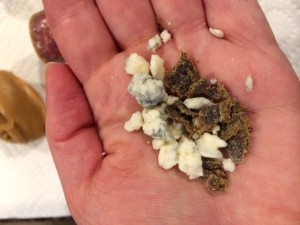
Fabulous treats! L-R: Dried venison, cheese, blue cheese, salami, peanut butter and hot dogs.

So many times, clients bring their dogs into the training center and their bait bag is filled with dry kibble or biscuits. Their dogs are overwhelmed with others dogs, sights, smells, sounds and ignore their owners as everything else is more exciting. Learn how to train a dog by choosing treats your dog loves!

Treats are your dog’s currency. Be generous, pay well and often.

Think about it: If I were paying you for a job well done, would you work harder for $100 or $1 bill? Now translate to food: If I paid you with donuts or broccoli, which would you choose? Personally, I would work for donuts and a $100 bill. I think you see my point now. 🙂

Now, I’m not saying you must have treats in your pocket for your dog to sit. We use treats and rewards in the learning phase, and then wean him after the dog understands the cue. By “weaning,” I’m not saying remove treats entirely. I’m saying reward behaviors intermediately (like a slot machine). We, as humans, have an obsession with weaning our dogs off treats too fast. Not sure why we do it. When you are thinking of not rewarding a dog for a great job, think of a stingy boss from your past – yuck!

RELATED: Healthy Dog Treats

Stinky, small, easy to chew dog treats
Stinky, small and easy to chew dog treats.

Try these dog training tips when selecting fantastic treats for your pooch. He will thank you with his full attention and polite behavior.

  1. Treats must have a strong aroma. The stinkier, the better, as your dog has a fabulous nose. Meat-based treats, especially fish, smell luscious!
  2. Tiny like the size of a pea. Look for treats that break up easily and don’t crumble. Keeping the treat size tiny keeps your dog hungry, calories down and treat cost low. We ask pet parents to bring 100 tiny treats to each class. 🙂
  3. Easy to chew. Soft treats are easy for your dog to chew and swallow quickly. With hard treats, you are waiting for your dog to crunch, crunch and crunch some more before moving forward.

Some dogs love catching their favorite ball or a game of tug as a reward, but 9 times out of 10, most dogs respond to scrumptious treats in high distraction places (i.e. dog training classes). Praise is awesome too. However, this is the icing on the cake with treats. Again, think of working on a project with a friend: praise is nice for a while. Currency is better because you need to pay your bills and eat. 🙂

How to Tell if Your Dog Loves His Treats

  1. As you cut treats or open the bag, your dog is glued to your side sniffing.
  2. You have his full and undivided attention during class.
  3. Immediate and improved success when teaching behaviors.

What’s in my bait bag? Mozzarella cheese sticks, hot dogs, cooked chicken breast, blue cheese (yes, they love it!), cubed round steak and any fish-based treats.

What treats does your dog love? Please comment below and tell us what is in your bait bag!

You may also like: Picky Dog Eaters

Filed Under: Dogs, Health, Resources, Training Tagged With: dog training, dog training classes, dog training treats, dog treats, how to train a dog, how to train a puppy, how to train your dog, how to train your puppy, puppy training, puppy training classes

Crate Training

July 16, 2014 by Fanna Easter

How to Crate Train a DogCrate Training a Puppy

In the dog world, there are many opinions on how to crate train your puppy and I’ll share mine. But first, I need to explain what crate training is not:

  • A crate is not used for punishment ever.
  • Dogs should not be left in their crates longer than 4 hours at a time. If you work an 8-to-5 job, please hire a pet sitter. Pet sitters are worth every penny. You will definitely get your return on investment. 🙂 You can begin searching and interviewing pet sitters here.

Keep these thoughts in your mind as I explain how to crate train your puppy or dog. 🙂

Choosing a Crate

  • A dog should be able to stand up, turn around and lay down comfortably.
  • For a fast growing puppy, choose a crate he can fit in as an adult. These large crates have a moveable divider so you can adjust as your puppy grows.
  • If a crate is too big (too long or wide), your puppy will sleep in the front and poop in the back- oops! 🙂
RELATED: Choosing a Dog Crate

Purpose of a Crate

  • Teaches your dog bladder and bowel control, and basically how to hold it.
  • Provides your pooch a relaxing and safe napping place and a getaway from distractions (visitors, children playing, etc.).
  • Serves as a secure and safe place to leave your puppy alone when no one is home (keeps him from chewing drapes, carpet, furniture, electrical cords, etc.).
  • Serves as a great tool when traveling with your dog!

Once upon a time, a puppy was left alone in the apartment all day (no crate was used). He chewed through the drywall and entered the next door neighbor’s apartment and destroyed his home too! Yes, it happened!

Training Your Dog to Go in His Crate

Plan on teaching your puppy these steps before you plan on leaving him alone. This will take 1-2 days to teach, depending on your training skills.

Step One

  • Start by tossing a treat in your puppy’s crate so he can walk in and eat it. Keep the crate door open so he can come right back out. Repeat this 10 times in a row.

Step Two

  • Toss a larger treat in the crate. As he enters and eats the treat, close the door. Once he is done eating his treat, open the door and let him out. Say nothing, as the reward is the crate door opening. Repeat this 10 times in a row.

Tip: Toss the treat in the back of the crate so your dog walks all the way inside the crate. Please don’t push your puppy inside.

Good girl, she goes in her crate!
Crate training. Good girl!

Training Your Puppy to Stay in His Crate Quietly

Step One

  • Hide treats in his crate (10 treats) and then open the crate door. Once your puppy goes in the crate, close the door behind him. Once he is done eating the treats, open the door so he can step out.

Step Two

  • Hide 2-3 treats in his crate and close the door after your dog steps all the way inside. Once he is finished eating these treats, throw a few treats in the crate with him (crate door is still closed). Throw treats five times in a row about 10 seconds apart. If you wait too long to give him treats, he will begin to whine in his crate. We want him to learn that staying in his crate quietly earns treats!

Step Three

  • Throw a larger treat (biscuit) in his crate and close the door once he walks inside. Take a few steps away from the crate, then walk over and toss one treat in the crate. Count two seconds silently (1 Mississippi, 2 Mississippi), walk over and toss another treat in the crate. Repeat until your dog can stay in his crate for 10 seconds (Move slowly. We don’t want him to whine!). After 10 seconds, toss a treat and open the crate door. Great job!

Step Four

  • Add a luscious food filled toy in his crate. He only gets this wonderful reward when he is in his crate. Toss the filled toy in his crate, walk away and let him enjoy!
RELATED: Puppy Training Classes

Troubleshooting

Barking/whining in crate:

  • Oops, if this happens, you moved too quickly with the above steps. Take a few steps back and begin again. If your dog is whining, don’t open the crate until he is quiet (opening the crate door is a reward).
  • Ensure your dog has plenty of exercise (a minimum of a 30-minute walk) before going in his crate.
  • Freeze his food stuffed toy so it will last longer.
  • If your puppy or adult dogs whine at night, bring him potty on leash, and put him back in his crate with a treat. You are not rewarding whining, as he may very well need to potty. We don’t want puppies to learn to potty in his crate. 🙂
  • If your dog is pottying on his crate bedding, remove it for a week until he learns to hold it. Once he understands to potty outside, you can add his bedding back.

 Barking at visitors when in crate:

  • Set up a bowl of treats about 6 feet from your dog’s crate.
  • Put dog in his crate.
  • When guests walk by, toss a treat into your dog’s crate and keep walking past him.
  • Have all guests play this game. Soon your dog learns guests equals treats.

Leaving your dog alone in crate:

  • Before leaving your puppy alone in his crate, exercise him mentally and physically.
  • Leave a frozen food stuffed toy in his crate anytime you leave. (A frozen food stuffed toy will help puppies while teething.)
  • Play soft music in the background. Dogs have excellent hearing. Try crinkling a potato chip bag when your dog is upstairs, he will come running! Help him tune out neighborhood dogs’ barking, nearby construction and sirens. I recommend Through a Dog’s Ear Music. I have the entire series and it works! I will admit it helps calm me too, especially when I’m stuck in traffic. 🙂
  • This may sound hokey, but spraying lavender has proven to calm dogs (and humans!). What will it hurt? At least your house will smell wonderful!
  • Another tool I recommend are Dog Appeasing Pheromone Sprays and Diffusers. Personally, I’ve had wonderful results and have a diffuser plugged in near my dogs’ crates. There is supporting research on DAP’s effectiveness.

In the comments below, tell us how you create a spa atmosphere in your dog’s crate.

READ ALSO: Dog Time Out

Filed Under: Puppies, Training Tagged With: crate training, crate training 101, crate training a puppy, crate training an older dog, crate training at night, crate training schedule, crate training while at work, crate training whining, dog training advice, how to train a dog, how to train a puppy

Clicker Training

June 5, 2014 by Fanna Easter

Clicker Training for Dogs

Clicker Training Dogs
Clicker training is fun!

Clicker training is used as a very effective way to train dogs. Clicker training is a positive form of dog training that produces the desired results quickly with minimal effort for dogs and the dog trainer. Professional dog trainer Fanna Easter explains to pet parents in her dog training class that the clicker is a magic tool. Dog owners enrolled in dog training classes have been awed by the power of clicker training. “With a clicker, I can train a dog within minutes to quickly learn a new behavior,” says Fanna Easter.

In this post, you will learn how to train a dog using a clicker!

What is a dog training clicker?

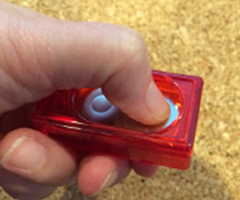
  • A small device that makes a click sound when pressed with your finger.
  • A clicker makes the same sound every time it does not change. It’s a quick sound.
  • A dog training clicker adds consistency to marking the correct behavior that you will want to reward, which lets the dog know immediately that he has done what you asked of them. Remember: cue, click, then treat!
  • When a dog trainer clicks, it’s a promise that the dog has rightfully earned a treat.
RELATED: Dog Trainer Karen Pryor

How to Train a Dog Using a Clicker

  • Click when your dog is doing something you like. It’s that simple.
  • The click sound marks the good behavior and the dog learns that s/he did well and earned a treat.
  • The sound of a clicker is meaningless to your dog, but if you click and then immediately give your dog a treat, your dog learns to associate the click sound with rewards for doing what was asked of him.
  • Use this powerful tool to your advantage when training a dog. Click and treat to imply he is correct.
  • Dog treats are the dog’s currency or motivator so use treats that your dog loves!

Clicker Dog Training Guidelines

  • When you click, always give the dog a treat. If you do not, then the dog will learn to ignore the click sound. Even when you clicked at the wrong moment, your dog is still learning.
  • Click once and then treat once. Multiple clicks are confusing, as the dog does not know which click marked the correct behavior.
  • The clicker is not a remote control so no need to point it at him. Just hold the clicker with your leash hand, as shown in the video “How to Train a Dog Using A Clicker.”

VIDEO: How to Train a Dog Using a Clicker

3 Steps to Clicker Dog Training

1. When training a dog with a clicker, use the clicker to mark the new behavior that you are teaching.

2. Once your dog responds to the cue, such as sit, mark the correct behavior with the training clicker and then treat the pet with a reward.

3. Once the dog gets the cue, correct 80% of the time. You can remove the clicker from the equation.

You may also like: Healthy Dog Treats

Filed Under: Dogs, Training Tagged With: clicker training, clicker training dogs, dog training, how to train a dog, how to train a puppy, karen pryor clicker training, puppy training tip

  • « Previous Page
  • 1
  • …
  • 5
  • 6
  • 7
  • 8
  • Next Page »

About

Dog Training Nation is a community of dog trainers, dog owners and dog lovers. Our mission is to provide trainers and owners valuable information to enrich dogs' lives. We cover a range of topics, from socializing puppies to dealing with aggressive dog behavior to selecting the best dog products. It is our hope you share our content to make the dog and owner world a better place.

​

Facebook

Video

Dog Training Nation is a dog training blog for pet owners and dog lovers. We cover a range of topics from puppy socialization tips to dog aggression to dog health. It is our hope you share our content to make the world a better place for dogs.

Dog Training Nation

Quick Links

Dog Training
Dog Behavior
Dog Training Videos
Become a Dog Trainer
About
Contact Us

Copyright © 2026 · Lifestyle Pro Theme on Genesis Framework · WordPress · Log in