Dog Training Nation

In Dogs We Trust

  • Home
  • Training
    • Dogs
    • Puppies
    • Clients
  • Behavior
    • Breeds
  • Health
  • Safety
  • Resources
    • Equipment
    • Books
  • Dog Training Videos
  • About
You are here: Home / Archives for how to travel with dogs

Road Trips With Your Dog: What to Pack?

November 7, 2014 by Fanna Easter

What to Pack for a Road Trip with Your Dog
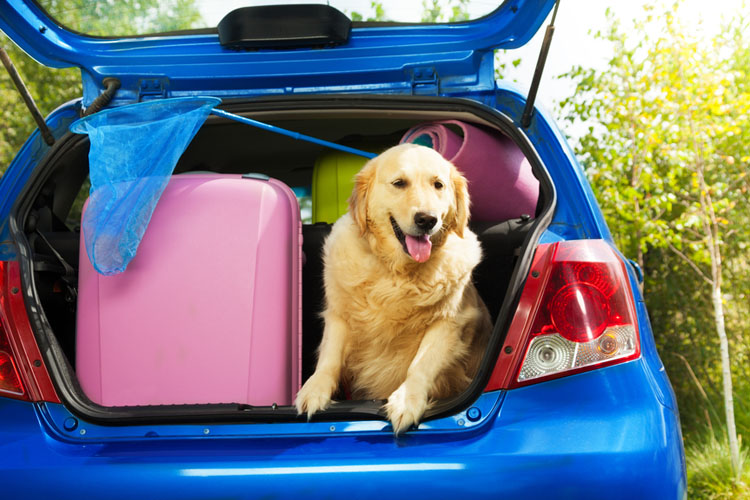
Traveling With Your Dog
serrnovik/Deposit Photos

The holiday season is approaching fast. Learn several quick tips to make road trips with your dog easy as pie! If your dog is traveling with the family, let’s discuss essential items needed during road trips. Promise you’ll not be packing the kitchen sink!


 Tip: Pack all dog items in a carry-on size suitcase.

 This eliminates trying to locate multiple small items in the car when traveling and ensures all your dog’s items are unloaded upon arrival at your final destination.


Food

Calculate how many days you will be traveling, then multiple by daily food intake by cups. If you’re traveling 7 days and your dog eats 4 cups of kibble per day, you’ll need to pack 28 cups of food. As a general rule, I always add an extra 10% of kibble in case of emergency, such as when kibble is accidentally spilled or weather has forced you to travel longer.

For storing food while traveling, you can purchase an extra bag of kibble or store kibble in a container. Bringing an extra bag of food is probably the easiest, but can be the messiest, as luggage and crates can puncture the bag or your dog can chew a hole when no one is looking. 🙂 Personally, I use a container. It’s durable, easier to keep kibble dry and fresh, but it can take up valuable space in your car. Now that I feed a raw diet, I pack each dog’s daily meals into  plastic bags, freeze and pack in a larger cooler.

Don’t forget treats! Usually, I purchase several bags of dried fruit (pineapple, mango and apricots) to reward my dogs for not loading up in the car, not jumping on strangers at the rest area, not pottying on the leash and so forth.

Water

Pack several bottles of water, either purchased or refilled jugs, and a bowl.  When packing, place the water bowl and jug of water next to your dog’s crate, so it’s easy to locate during rest stops. Everyone becomes dehydrated while traveling, same goes for your dog. When you stop to potty your dog, offer him 2 to 8 ounces (amount depends on size of dog) of water in a small bowl. If he drinks all the water, offer him more. When leaving your destination, fill up your water bottles again for the ride home.

You can also leave a filled water bowl in his crate, but I’ve yet to find one that will not spill or easily be chewed. For seat belted dogs, I’ve heard the To Go Bowl works great, but I’ve not tried it yet. Basically, this is a small dog bowl that fits in a cup holder — pretty neat idea. I like giving water every 2 to 3 hours during “human” potty breaks, as I’m sure our pooches have to go too!

Vaccination Records

Print a copy of your dog’s vaccination records, especially his Rabies Certificate, as all states require up-to-date rabies vaccinations. Before a trip, I print each dog’s vaccination records, pet insurance forms, a current picture (in case something terrible happens) and medical history for dog’s with special needs, then place all this information in a pocket folder. This folder is kept on the outside zippered pocket of their suitcase.

Sound Machines (Yes, Really!)

A sound machine plugs into an outlet and plays soothing music, which drowns out unfamiliar noises and prevents dogs from barking. At night and when dogs are left alone, always confine your dog in a crate with soothing sounds from a sound machine and a food-stuffed toy. I recommend HoMedics Sound Machines and, if you choose one with an iPod dock, I HIGHLY recommend downloading Through a Dog’s Ear music, which is clinically demonstrated to calm most dogs. Personally, it’s very calming for me too, which is a nice advantage when traveling. 🙂 Don’t believe me. Try out their free music sample download!

Waterless Shampoo (You Just Never Know!)

Every time I forget waterless shampoo, I’ve regretted it! Waterless shampoo is easily sprayed and wiped off with a towel to spot clean a dog. Traveling with a pooch wet from rain is not fun so you and your car’s interior will thank me. 🙂 My fav is Nature’s Specialty Speedy Groom Waterless Shampoo.

Preventing Motion Sickness

Dogs can feel sick to their stomach while traveling in a car too! While vomiting is a tell-tale sign, dogs can drool, whine and pace back and forth and, yes, have dreaded diarrhea. To prevent this from happening, start bringing your dogs along on small trips around the city. This conditions them to car rides. If you notice any signs of motion sickness, you can prevent it with Dramamine or Bonine. You can purchase both at a pharmacy. However, ask your vet for correct dosage, as all dogs are different. I’ve had excellent luck with Bonine, not only does it prevent motion sickness, it’s also not as sedating as Dramamine. Provide a dose 20 minutes or so before everyone loads up and takes off for the trip.

While many recommend not feeding your dog before a trip, I disagree. You know how lousy you feel on an empty stomach, I usually feed them a couple of hours before a trip. Also, play soft music and keep the car cool. This will reduce nausea and anxiety, which are huge pluses to preventing motion sickness. 🙂

Toys/Chews

Bring lots of chews and a food-stuffed toy along on your trip. Just as children play with puzzles and watch DVDs while traveling, give your dog something to do also. I highly recommend food-stuffed puzzles. They’re easy to stuff, dogs can’t destroy the toy and you can stuff them a billion times! Pack a small jar of peanut butter, a food stuff-able toy and a few chews in your doggie suitcase. Not only are these awesome during car rides, they are wonderful to leave with your dog, while confined at your final destination and when left alone.

Collar/Leash with Tags (Poop Bags)

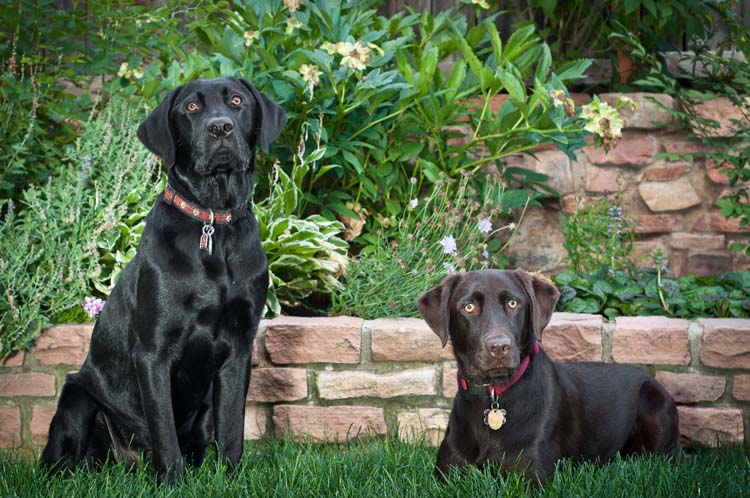
Your dog should wear a collar with updated ID tags at all times, even when riding in the car. Click here to learn the importance of ID tags and microchipping your dog. It could save his life! Bring a sturdy 6-foot leash and plenty of poop bags to pick up waste.

Crate/Seatbelt Harness

Buckle up! Dogs must be securely contained when riding in a vehicle. Click here for the safest ways to contain your dogs.

First Aid Bag

Pet first aid bags are a must, especially when traveling. Don’t forget to pack your dog’s dose of heart worm preventive if he’s scheduled for a monthly dose. Click here for a list of must-have supplies, including a Pet First Aid phone app and the best pre-packaged pet first aid bag review.

 Useful Tips:

  • Apply flea/tick preventive the day before traveling, especially during summer months or when you’re traveling through heavily infested areas.
  • Pack paper towels:  Useful for dogs and people.
  • Bring 2 large towels just in case:  Dry off a wet dog.
  • Bring a small bottle of enzymatic cleaning solution for cleaning accidents in the car or at your final destination.
  • Never leave your dog in a warm or hot car.
  • Don’t allow your dog to ride in the back of a pickup truck. Restrain him inside the vehicle instead.
Filed Under: Equipment, Resources, Safety Tagged With: best crate for cars, best crate for SUV, best dog carriers, best dog travel tips, best plastic crate, best seat belts for dogs, center for pet safety, crash tested crates, crash tested dog seat belts, dog carriers, dog travel safe, how to secure crate in car, how to travel with dogs, keeping dog safe in car, proline crates, road trip with dog, road trips with your dog, safe travel dogs, safe ways to transport your dog, safest dog seat belts, safest plastic crate for dogs, sleepypod seat belts, travel safely with your pet, traveling with dog dogs, traveling with pets, traveling with small dogs, variocage reviews

ID Tags and Microchips: Are They Necessary?

November 5, 2014 by Fanna Easter

Save Your Dog with Identification

Microchipping Your Dog

We never plan for our dogs to get lost. My heart sinks when I think about it. So let’s be prepared! Before taking road trips with your dog, let’s discuss a couple tips that could save your dog’s life!

ID Tags: A Must Wear for All Dogs

If your dog should become lost, an ID tag will quickly identify and provide valuable information to his “founder.” ID tags are attached to your dog’s collar.

What information should you add to your dog’s ID tags?

My recommendations are: dog’s name, your last name, your cell number and your dog’s medical issues (example: Stella Smith, 212-211-2222, Has Seizures). While ID tags are getting smaller, it’s tough finding space to add your address. So, why not add several ID tags?

What type of tag should you choose?

With so many options, it’s up to your dog’s activity level and your personal preference:

  • Hanging ID Tag: Most popular, hangs from the D ring of a collar, can be noisy, more likely to fall off a dog’s collar.
  • Embroidered Collar: ID information is embroidered across a collar,  popular with owners wanting a “noiseless” version, less likely to fall off than a traditional hanging ID tag, larger lettering is easily seen.
  • Belt Buckle Type Tag: Metal “belt buckle” tag, which slides on a nylon or leather collar, tag is slightly bent to curve around dog’s neck, noiseless, less likely to fall off than a traditional hanging ID tag.

If traveling, I add a temporary ID tag with my final destination. This is very helpful if traveling through many states.  To draw attention to the traveling tag, I usually print in red font, cut to fit the width of my dog’s collar width, laminate and staple to the nylon part of the collar. All other ID tags remain in place. Example:  Traveling to 211 Johnson St, Nashville TN 37444.

Microchipping: Please Chip Your Dog

Your vet places a small microchip, about the size of a grain of rice, under the skin between your dog’s shoulder blades. If your dog is found, a shelter or vet can scan the chip which provides your information. Microchips must be registered by the manufacturer so they can store your data. Plus there is usually a small yearly fee. When your vet inserts the microchip, she’ll provide you with details on registering the chip.

Yes, I highly recommend microchipping your dog too!

GPS Dog Collars?

With a surge in GPS devices and smart phones, we’re seeing GPS ID tags and collars enter the pet industry. You attach a water resistant device to your dog’s collar and it uses GPS and Google Maps to locate your runaway dog. Did I mention this device will track your dog’s activity level too!

There are a few to choose from, but from reviews, it seems bugs need to be worked out first. Devices are losing battery quickly (less than 24 hours), websites struggle to show a lost dog’s exact location, devices easily fall off a dog’s collar and disruptions in service are frequent. Alas, these devices are here to stay and manufacturers are updating their products constantly. I’m excited!

If this piques your interest, take a peek at Consumer Reports review of GPS Dog Collars. Another contender, WhistleGPS, is due out in 2015! They will unveil a smaller device, incorporating Wifi and Bluetooth capabilities, which extend battery life to over a week.

Have you tried a GPS Collar? What are your thoughts?

Filed Under: Equipment, Resources, Safety Tagged With: different types of dog id tags, dog id tags, dog travel safe, gps dog collar, how to secure crate in car, how to travel with dogs, keeping dog safe in car, microchipping, proline crates, road trip with dog, road trips with your dog, safe travel dogs, safe ways to transport your dog, safest dog seat belts, safest plastic crate for dogs, sleepypod seat belts, travel safely with your pet, traveling with dog dogs, traveling with pets

Selecting the Best Dog Seat Belt

November 4, 2014 by Fanna Easter

Keep Your Pet Safe While Driving

Safety Belts for Dogs
Always secure your dog while traveling in a vehicle.

Road trips with your dog are amazing! Let’s chat about adding crates and seat belt harnesses to future trips with your dog, as we want to keep him safe. Before you shell out hard earned cash, let’s discuss which crates and seat belt harnesses really work.


 Always secure your dog when in a vehicle even if driving around the corner.


Crates

With so many crates to choose from, which crate is safer? Crates are wonderful at containing your dog, preventing him from chewing car interior or luggage, containing accidents (vomit or diarrhea) and protecting car interior from a wet dog.

I’ll provide a few options, but first understand there are no rules for crash testing crates in the U.S. Scary, I know! With this in mind, I’ve done extensive research, which includes polling dog professionals, such as veterinarians, professional dog trainers, and renowned dog show experts. So here are the results:

Option 1:

  • Variocage and Proline crates have been crash-tested in other countries and range between $500 -$1,300 depending on size of your dog.

Option 2:

Plastic airline-approved Vari-Kennel secured with 3 racket straps. Airline approval is earned, not just an attractive sales benefit, as the FAA has strict regulations on keeping pets safe.

  • Plastic crate keeps items from penetrating the dog crate during accidents. During crashes, wire crates can crumble inwards and harm a dog. Fabric crates tear and are pretty useless if a crash should occur.
  • Nuts and bolts securely hold plastic crates together. Interesting to note, snap-sided or latches are not airline-approved.
  • 2-3 racket straps: Choose 1-inch wide straps and verify their web break and work load limit. Most are 400 lbs plus. Choose length depending on size of your crates.
  • Secure to tie down hooks or tether straps located in most SUVs and vans. If you can’t find them, look behind the rear seats for car seat tether straps. Depending on size of crate, secure one racket strap across the top of the crate. Then secure the other racket strap around the width of the crate. If your crate is larger, you may need additional racket straps. You may also need additional racket straps depending on location of crate and tie down hooks in your vehicle.
  • Smaller crates must be placed and secured on the floor of a vehicle. Studies have shown that smaller crates, which are seat belted in a car seat, have been known to crush during a crash. The seat belt constricts, which can crush a plastic, wire and most certainly a fabric-sided crate.

Seat Belt Harnesses:

Luckily, there are crash testing rules for a seat belt harness (woot woot!). Before strapping your dog in a seat belt harness, there are a few rules.

  • Can not be used in the front seat
  • Must follow manufacturer’s directions
  • Made for dogs 75 lbs and under

Sleepypod Clickit Seat Belt Harness was the top performer during the 2013 Center for Pet Safety’s Crashworthiness Study. There were 11 different brands of seat belt harnesses being tested and Clickit rose above the others. It’s worth mentioning Center for Pet Safety (CPS) is a non-profit research and advocacy program so they are non-bias with results. To read the entire study’s results, click here.

Were you shocked by the results? I certainly was and will make some changes. Which car restraint will you choose for your pooch and why?

Filed Under: Equipment, Resources, Safety Tagged With: best crate for cars, best crate for SUV, best dog carriers, best dog travel tips, best plastic crate, best seat belts for dogs, center for pet safety, crash tested crates, crash tested dog seat belts, dog carriers, dog travel safe, how to secure crate in car, how to travel with dogs, keeping dog safe in car, proline crates, road trip with dog, road trips with your dog, safe travel dogs, safe ways to transport your dog, safest dog seat belts, safest plastic crate for dogs, sleepypod seat belts, travel safely with your pet, traveling with dog dogs, traveling with pets, traveling with small dogs, variocage reviews

About

Dog Training Nation is a community of dog trainers, dog owners and dog lovers. Our mission is to provide trainers and owners valuable information to enrich dogs' lives. We cover a range of topics, from socializing puppies to dealing with aggressive dog behavior to selecting the best dog products. It is our hope you share our content to make the dog and owner world a better place.

​

Facebook

Video

Dog Training Nation is a dog training blog for pet owners and dog lovers. We cover a range of topics from puppy socialization tips to dog aggression to dog health. It is our hope you share our content to make the world a better place for dogs.

Dog Training Nation

Quick Links

Dog Training
Dog Behavior
Dog Training Videos
Become a Dog Trainer
About
Contact Us

Copyright © 2026 · Lifestyle Pro Theme on Genesis Framework · WordPress · Log in
