Dog Training Nation

In Dogs We Trust

  • Home
  • Training
    • Dogs
    • Puppies
    • Clients
  • Behavior
    • Breeds
  • Health
  • Safety
  • Resources
    • Equipment
    • Books
  • Dog Training Videos
  • About
You are here: Home / Archives for obedience training

Dog Socialization Tips

December 12, 2014 by Fanna Easter

Socializing Dogs

Dog Socialization
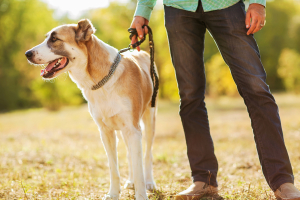
Follow your dog’s lead. Walk away if he’s uncomfortable.

Pet parents are bombarded with: “You’re a terrible owner if you don’t allow your dog to greet other dogs,” “The socialization window closes before 16 weeks so hurry and meet as many dogs as possible,” “Dogs must meet 100 new dogs before a certain age” statements. These statements are valid, but it’s important to add limitations and boundaries first. Follow these dog socializing tips and be their voice.

What is Socialization?

Socialization means puppies and dogs learn how to interact within their worlds. Socialization is vital. Each interaction must be tailored to your dog’s personality with the purpose of teaching him how to interact within his world with confidence.

Greeting: Engage and Disengage

Greeting means a dog walks directly over to another dog with the purpose of engagement. During socialization, puppies and dogs are learning how to politely meet (engage) and end (disengage) greetings. Not all dogs are polite greeters. They can be downright rude by invading space, staring or being too rough. This is where disengaging becomes tricky. It’s kind of hard to move away from a rude greeter while on leash so some dogs will resort to threatening behaviors to make the rude dog go away. Now, your confused disengager learns threats work and is the normal way to disengage.

Living with a Gregarious Greeter
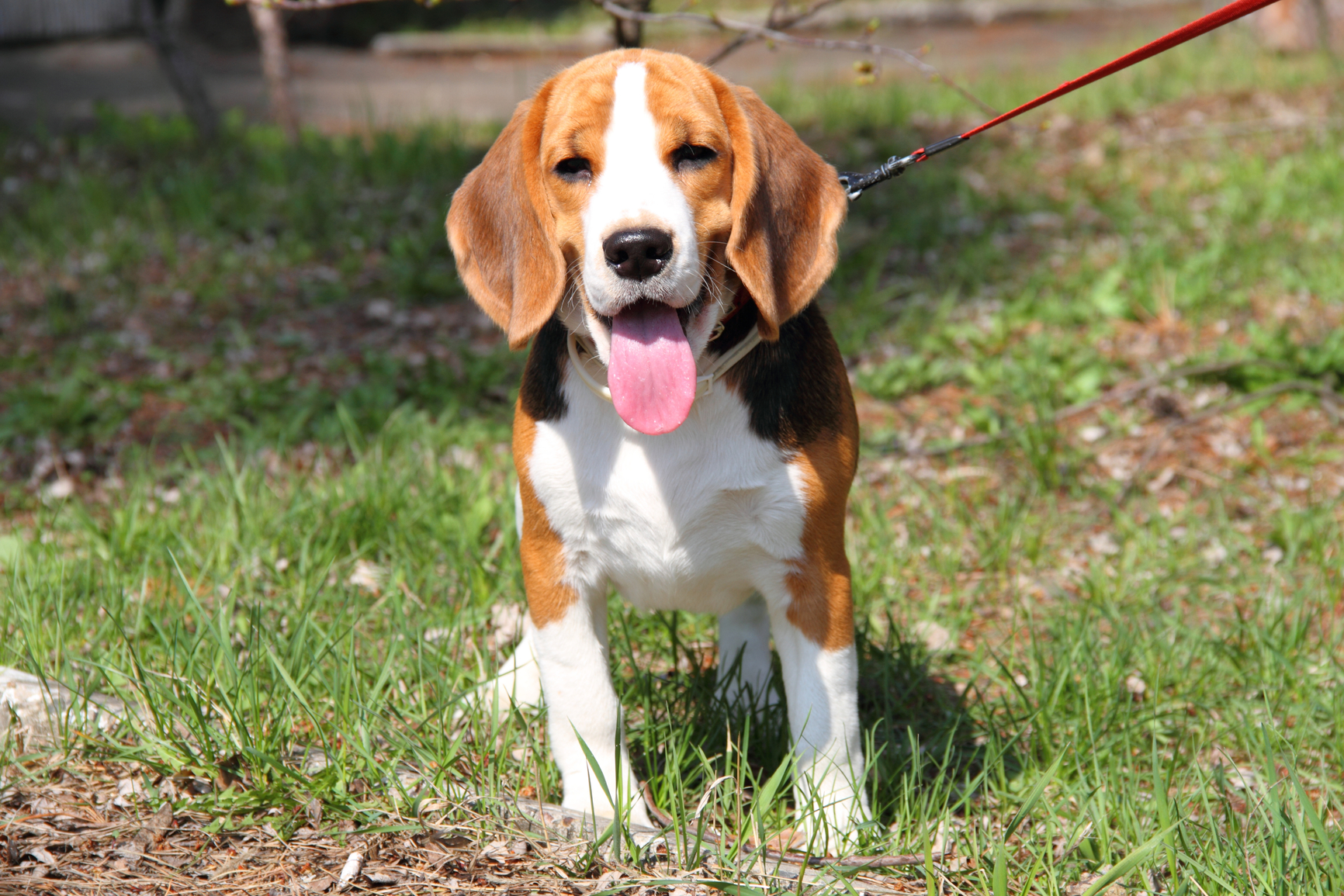
Beagle
“Hello! I’m uber friendly!” Note soft eyes, open mouth and slight panting moving forward.

Not all dogs are comfortable meeting your gregarious greeter. Always stop 15 feet away and ask first. It’s the polite thing to do. If the other dog looks uncomfortable or scared, walk away quickly. Sticking around will make it much worse.

Think of it from a human perspective: Do you shake hands with everyone shopping at the grocery store? “Hi, I see you’re buying grapefruits today. My name is Fanna,” “Hi, those pork chops are lovely. My name is Fanna” or “Oh I buy that type of toilet paper too! My name is Fanna.” Could you imagine?! You would think I was nuts, right? But what if I followed you down an aisle saying, “But I want to meet you. My name is Fanna!” Creepy, especially for people not comfortable greeting strangers!

Instead, while shopping at the grocery store, we make eye contact with a stranger, smile, nod and continue walking past him. When walking past, provide plenty of room by turning sideways, walking down a different aisle or politely allowing a stranger to walk past you because it’s human etiquette. This works in the dog world too! 🙂

My Dog is a Wallflower
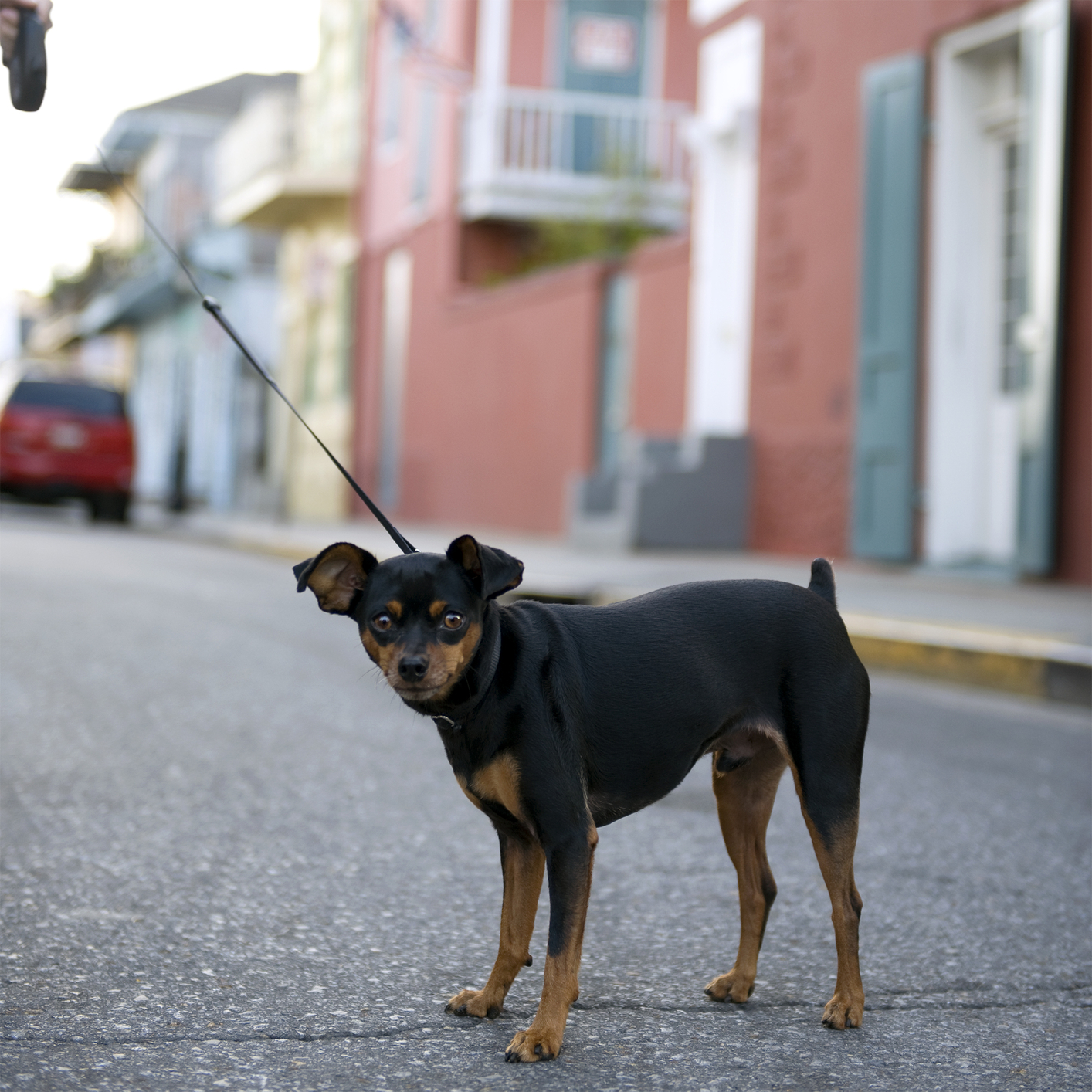
Scared Dog
“Stay away, please!” He’s not sure. Hence, the backwards lean (away from you), mouth closed (no panting), still body and wide eyes.

If your dog finds greeting other dogs stressful, it’s okay. All dogs are individuals. Some are introverts while others are extroverts just like people. An introverted person (withdrawn from strangers) finds attending parties with lots of people torturous. Remember, people are able to control their outcomes. Dogs can’t unless their pet parents notice their uncomfortable behavior around strange dogs or people.

When a dog is forced to meet another dog, scuffles or fights often break out because one dog is not comfortable meeting another dog and tries to disengage using threats. Note, it only takes one scary incident for a dog to become terrified of other dogs. Then the vicious cycle begins. Well meaning pet owners forcibly socialize their newly terrified dogs to fix the aggressive issue, which only makes it worse. Pet owners say, “My dog was really good with other dogs before. So he must need more socialization, right?” This will only make the problem worse.

Never introduce a known aggressive dog to another dog, as this is a recipe for disaster. Socializing known “dog aggressive” dogs will not make your dog better. It will make him much worse. He’s practicing this behavior and we all know practice makes perfect. Plus, there’s a really good chance the other dog, now having a terrible experience, is afraid of other dogs too.

Instead, enroll newly terrified and dog aggressive dogs in a Relaxed Rover class or contact a professional dog trainer or animal behaviorist. By partnering with a professional,  your dog will learn confidence around other dogs while developing skills to engage and disengage greetings without resorting to threats. Shoot, all dogs will benefit from learning these skills. 🙂

Socialization with Boundaries
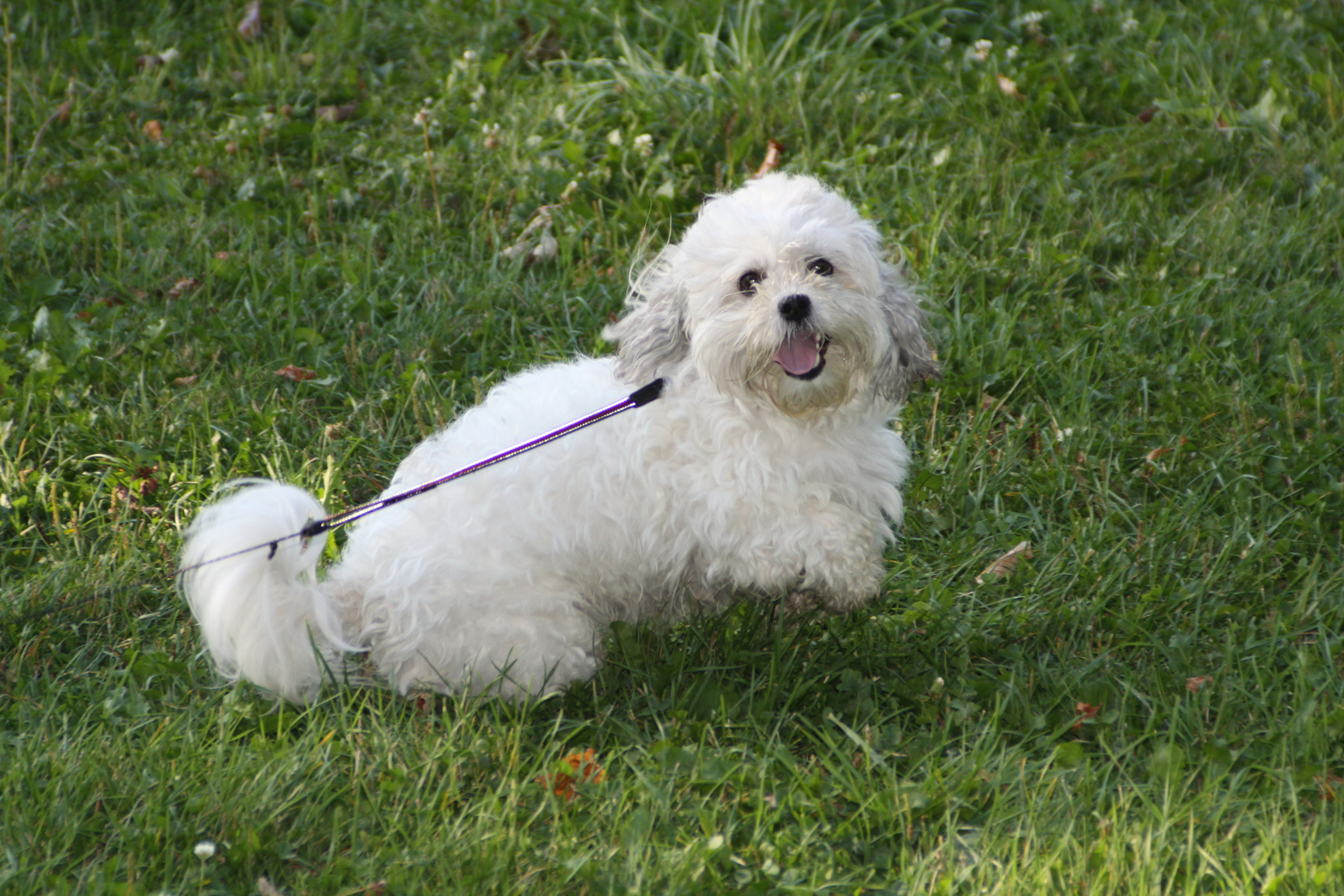
Anxiety in Dogs
“Can we leave? I’m not comfortable.” Note leaning away from you, holding one foot up, ears pulled down and back and worried eyes.

Tip One: Follow your puppy’s or dog’s lead. If he’s not comfortable meeting another dog, walk away (before they greet). You’re teaching polite disengaging behavior by saying “hi” from a distance and politely walking away (remember the nod at the grocery store).

Tip Two: Enroll your puppy in Positive Puppy Manners class and Puppy Playtime after his first puppy vaccination series with a professional dog trainer. If your puppy chooses not to play with other puppies, it’s okay. He probably enjoys human contact more than puppy play.

Allow your dog to choose his friends. Sometimes, dogs and puppies love to play with certain dogs like your neighbor’s or sister’s dog, but he’s not comfortable playing with other dogs. That’s okay too. Personally, I have a tiny group of friends while my sister has unlimited friends, and we came from the same litter. 🙂

Tip Three: When accidentally meeting another dog on leash, allow them to briefly greet for two seconds, then walk away. You’re interrupting the greeting to keep it positive and teaching polite disengaging behaviors. By keeping greetings short with strange dogs, it prevents rude behavior from sneaking up.

Tip Four: If a person and his dog are making a beeline towards your dog, say, “We’re training, sorry,” and step away, turn around or cross the street. Trust me, you’re not being rude by moving away from the approaching pair. You’re speaking up for your dog and he thanks you. 🙂 As for the beelining dog and person, they’re learning that not all dogs should meet, which is a good thing!

I know this is a controversial topic and you can never go wrong by following your dog’s lead. Always socialize, but put a few boundaries in place first. 🙂

Filed Under: Behavior, Clients, Dogs, Training Tagged With: best dog training tips, do dogs want to meet all dogs, dog aggression, dog behavior, dog is aggressive to other dogs, dog socialization tips, dog socializing tips, dog training, Dog Training Tips, how to train dogs, how to train puppies, my dog hates other dogs, obedience training, puppy socialization ideas, puppy socialization tips, puppy training classes, top dog training tips

How to Stop a Puppy From Biting

November 14, 2014 by Fanna Easter

Puppy Biting

Puppy Biting
Learn how to manage puppy biting. Ow! lifeonwhite/Deposit Photos

Pet Parent Question:

I have a question on a new puppy. I’ve always had dogs, and currently have two Yorkies, a Rottie and a new pup. The new pup is a Beagle and Dotsy mix, extremely smart at 12 weeks, completely house and kennel trained — I’ve never had a dog that young be so quick to house train. Though she is a huge biter! By that I mean she brings blood, nothing is off limits — arms, legs, hands, face if she gets close enough. I’ve tried scolding her, stop showing attention, giving chew toys when she bites, and I’m lost. Nothing has worked. I’ve even used a fly swatter, which she will turn and attack. She is very, very active and has a doggie door she can go through and run around, which she definitely does for hours. Any advice that I haven’t tried?

Dog Trainer’s Answer:

Congrats on your new family member and huge congrats on potty/kennel training your new puppy! A high five to a fellow Rottie pet parent! Do know the secret to potty training is providing clear boundaries and rewarding good behavior often, which you did so pat yourself on the back. 🙂

Ah, puppy nipping, or as we say in the dog training world bite inhibition. It’s pretty important to teach your puppy that teeth on skin does not pay. Now, your puppy is probably beginning the teething process and it takes a few times to teach your puppy what he can chew on so hang in there. 🙂

A couple of things to try:

  • Teach boundaries. If you’re rude when playing, the game is over: The moment you feel teeth on your skin squeak loudly, freeze for a moment, then walk away from your puppy. If your puppy chases you or tries to pull on your pant leg, repeat the squeak and freeze. Then walk away.
  • Redirect to a toy. Wiggle a toy in front of your puppy and play a quick game of tug. This redirects your puppy from you and onto the toy — works like a charm.
  • Lastly, spray bitter apple on your arms. Careful though, as some dogs love the taste of bitter apple. When polling my students, over half the puppies love the stuff.

Puppy nipping will pass. This is a normal part of puppyhood. 🙂 Punishment usually makes it worse, as any fast movement is play behavior. Hence, chasing the fly swatter. Just as you did with potty training, set boundaries early and follow them. Soon your new puppy will learn to control those little shark teeth!

Check out my article on puppy nipping. There’s some really good tips on helping your puppy through the teething process to puppy biting.

Happy training!

Do you have a dog or puppy training question? Ask the dog trainer!

Filed Under: Dogs, Training Tagged With: ask a professional dog trainer, ask the dog trainer, ask the dog trainer online, clicker training, dog behavior, dog training, dog training advice, Dog Training Tips, how to train a dog, how to train a puppy, information about dogs, obedience training, puppy biting, puppy nipping, puppy tips, puppy training, puppy training tips

How to Park Your Dog

October 24, 2014 by Fanna Easter

Train Your Dog to Stay

Train Your Dog to Stay

As a professional dog trainer, if I had to narrow down the top behavior all dogs should know, I would say parking your dog would be the first one! Trust me, “Come When Called” is probably right up there with “Park Your Dog.” However, this behavior will teach your dog to stay with you.


 “Park Your Dog” is a great way to bring your dog’s arousal level down. It’s like taking a yoga breath for your dog.


Why Should I “Park My Dog”?

“Park Your Dog” is a great way to bring your dog’s arousal level down. It’s like taking a “yoga breath” for your dog. Use this dog behavior when your dog becomes overwhelmed by visitors or anything, really! When teaching hyperactive dogs to be calm, many folks ask them to sit still. This is tough, as they are learning how to manage their extra energy and excitement. So next time your dog tries to jump on guests, “park your dog.”

Just by teaching your dog this simple behavior, your dog will learn

  • Self control (teaching your hyper dog to relax)
  • Polite greetings of people (not to jump on people or you)
  • Polite leash manners (not pull on the leash)
  • Ignore other dogs
  • Stay with you
  • Prevent excessive barking

How do I teach “Park Your Dog”?

  1. Step on your leash (about half way up to your dog, your dog should have 3 feet of extra leash).
  2. Click and treat your dog the instant the leash becomes loose. Tip: instead of watching your dog, feel when the leash tightens and loosens under your feet. The moment you feel slack in the leash, Click and treat!
  3. That’s it! Bingo, you are rewarding calm and quiet behavior!

Additional Troubleshooting:

  • Dog still jumps up on you, shorten the leash.
  • Dog continues to pull on leash, your timing is probably off a bit.  Click/treat every time the leash is loose.
  • My dog is still pulling, then call their name and click/treat five times in a row.  Now you have their attention, so keep their attention by rewarding frequently.

VIDEO: How to Teach “Park Your Dog”

When can you park your dog?

  • While talking to someone at the park
  • Having guests over
  • Outdoor dining
  • Paying at the pet store or vet’s office
  • During group class lecture, we ask pet parents to “park their dog” while listening to instructions

I want to hear from you! When should you park your dog?

Filed Under: Dogs, Training Tagged With: clicker training, dog behavior, dog trainer, dog training, Dog Training Tips, how to train a dog, how to train a puppy, how to train your dog, how to train your puppy, information about dogs, obedience training, puppy tips, puppy training, puppy training tips, Rottweiler training

Top 5 Tips for Training Rescue Dogs

October 1, 2014 by Fanna Easter

Training a Rescue DogFive Things You Need to Know About Rescuing a Dog

These five professional dog trainer tips are important when you bring home a rescue dog as you’ll need to incorporate them into your daily routine quickly. This way your rescue dog learns polite behaviors immediately. Plus, spending time with your new dog will build a strong bond of trust so start training now.

Enroll in a Dog Training Class

    • Completing a dog training class within two weeks of adoption will build a bond between you and your rescue dog. Your new pooch will learn polite manners while earning luscious treats, which means they will love you even more!
    • Choose a dog trainer that uses positive reinforcement. This means no yelling, pushing, yanking or pulling your puppy around. During classes, choose treats your dog loves!

Reward Good Behavior

    • When your rescue dog behaves as expected reward him with treats. Positive rewards are a great way to reinforce the desired behavior of your dog. Rewards can include a game of tug or snuggle time. It’s a great idea to keep a bowl of treats nearby for quick rewards. You can reward your rescue dog for things, such as: going potty outside, laying quietly at your feet, not barking, sitting when putting on his leash and coming when called.

Crate Training

    • This is your rescue dog’s sanctuary. He is safe and can relax so make it fun and rewarding to be in his crate. Feed your dog meals in his crate and provide special food stuffed toys for him to enjoy while he relaxes in his crate.

Come When Called

    • Teach your rescue dog that it’s fun to come back to you! While a rescue dog may have learned this behavior, it’s vital he learns to come back to you specifically. He’s still adjusting to his new home.
    • Use the ER Recall: Stand still, squat down and say “Puppy Puppy Puppy” using a high-pitched sound. Dogs really respond to high-pitched rapid repeating sounds. Have a party when your dog returns to you. Give him 5 treats and do the Happy Dance (always make it a big deal). You need to be much more interesting than the squirrel outside.

Engage in Daily Mental Stimulation

This is just as important as physical exercise.

    • Walk your rescue dog on leash for 30 minutes per day. Allow him plenty of sniffing opportunities. This is equivalent to reading his Facebook page. By sniffing, he is reading “posts” and may answer “posts” back. The more often you take your dog for a walk, the less likely he is to have an accident in the house.
    • Feed your dog meals using interactive toys. Pour his kibble into a food dispensing toy so that he needs to push or paw the toy to dispense his food — it’s like solving puzzles. Meals times are 20 minutes long instead of 30 seconds, and your dog will be tired afterwards.

Bark back. I want to hear back from you! How have these tips helped your rescue dog acclimate to your household?

READ ALSO: Adopting a Rescue Dog

Filed Under: Dogs, Training Tagged With: clicker training, dog training, dog training advice, Dog Training Tips, how to train a dog, how to train a puppy, obedience training, rescue dog, rescue dog tips, rescue puppy, rescue puppy tips

How to Train Your Dog Not to Jump Part 2

September 9, 2014 by Fanna Easter

How to Stop Your Dog From Jumping

Stop Your Dog From Jumping
Click! All four feet on the floor!

Does your dog jump on you or guests? View this 3-part video series, which will teach your dog:

  • Not to jump on you when coming home
  • To greet guests politely

If you missed Part 1, How to Train Your Dog Not to Jump Part 1.

Directions:

  • View first video and practice homework for 7 days.
  • View second video and practice homework for 7 days.
  • View third, and last, video.

Each video contains TONS of information, so rewind and watch several times. Bookmark for easy reference.

What you will need:

  • Delicious treats the size of a pea. View Choosing Dog Training Treats for more tips.
  • 6-foot leash
  • Flat buckle collar or body harness
  • Clicker is optional. View Clicker Training Tips for more details.

Note: Always enroll your dog in a group dog training class. This video should not be used in place of dog training class attendance.

How to Train Your Dog Not to Jump Part 2 Video

Any questions about the How to Train Your Dog Not to Jump Part 2 video? Please add them in the comment section below!

NEXT: How to Train Your Dog Not to Jump Part 3

Filed Under: Dogs, Training Tagged With: clicker training, dog training, dog training advice, dog training classes, Dog Training Tips, how to train a dog, how to train a puppy, how to train your dog, how to train your puppy, obedience training, puppy training, puppy training tips, stop a dog from jumping, stop a puppy from jumping

  • 1
  • 2
  • Next Page »

About

Dog Training Nation is a community of dog trainers, dog owners and dog lovers. Our mission is to provide trainers and owners valuable information to enrich dogs' lives. We cover a range of topics, from socializing puppies to dealing with aggressive dog behavior to selecting the best dog products. It is our hope you share our content to make the dog and owner world a better place.

​

Facebook

Video

Dog Training Nation is a dog training blog for pet owners and dog lovers. We cover a range of topics from puppy socialization tips to dog aggression to dog health. It is our hope you share our content to make the world a better place for dogs.

Dog Training Nation

Quick Links

Dog Training
Dog Behavior
Dog Training Videos
Become a Dog Trainer
About
Contact Us

Copyright © 2026 · Lifestyle Pro Theme on Genesis Framework · WordPress · Log in