Dog Training Nation

In Dogs We Trust

  • Home
  • Training
    • Dogs
    • Puppies
    • Clients
  • Behavior
    • Breeds
  • Health
  • Safety
  • Resources
    • Equipment
    • Books
  • Dog Training Videos
  • About
You are here: Home / Archives for positive dog training

Does Positive Reinforcement Really Work?

May 23, 2017 by Fanna Easter

Yes, Positive Reinforcement Dog Training Does Work
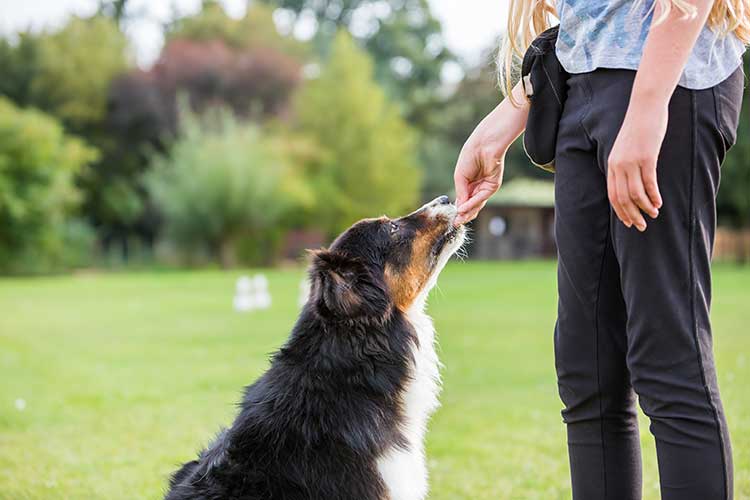
Positive Reinforcement Dog Training
Christian Müller/Adobe Stock

Every single day, I’m asked whether or not positive reinforcement dog training works. While many pet owners purposely pursue a positive dog trainer, there are still doubts written across their face. This is very evident when working with reactive dogs; many pet owners just don’t trust the dog training technique.

As with anything, there are pros and cons, but you’ll notice very few cons with positive reinforcement dog training. When doubt creeps in, tell yourself to trust the process because positive dog training really works.

What is Positive Reinforcement Dog Training?

Positive reinforcement dog training is when you reward your dog for a specific behavior, so the behavior will happen more often. When a dog sits, and he gets a treat, he learns to sit more often. Positive reinforcement works even when pet owners don’t suspect it.

Positive Reinforcement Examples

If you open a crate door, while your dog is barking inside it, your dog learns barking means you’ll open the crate door. Begging is a good positive reinforcement example too. If you feed your dog while he sits next to your plate, he learns that sitting close to your plate makes food happen. Yup, this is positive reinforcement too!

Positive reinforcement works in the human world too. We work for paychecks—that’s our reward for working hard. Pats on the back, bonuses and hugs are human rewards too. Super yummy treats are easily great dog rewards because everyone loves food. Praise, pats, fun games, tidbits from your dinner plate, escaping a boring crate or moving away from a scary dog are great positive reinforcement examples for dogs too.

Pros and Cons of Positive Reinforcement Training

Pros

  • Easy to do: You can’t make mistakes.; just reward behaviors you want to see more often.
  • Fun for dog and pet owner: Positive reinforcement is fun because earning rewards is fun! Celebrating wins are much more fun than digesting mistakes.
  • Extremely effective: Hands down, positive reinforcement works much faster than punishment-based dog training methods. Don’t believe me? Check out the latest research on teaching children. 🙂
  • Can be done anywhere: Dog training sessions can happen anywhere; just grab food treats and go!
  • You don’t need fancy equipment: Throw out choke chains, pinch collars and electronic collars. All you need are a handful of treats, a clicker and your dog! If you’re training your dog outside, attach a leash to your dog’s body harness.

RELATED: Clicker Training Game for Beginners

Cons (And Solutions)

  • Treat dependency: Dog will only work for treats.
    • This is an easy fix; just fade training treats once a dog understands a cue.
  • Withholding treats is frustrating: In the beginning, this can happen.
    • Again, this is a quick fix. Set a dog up for success and reward every single step toward a goal.
    • If needed, take a few steps back and build until the desired behavior happens.
  • What if you don’t have treats? Simple. Use praise, games and the happy dance to reward your dog for good behaviors.


Filed Under: Dogs, Puppies, Training Tagged With: best dog training methods, dog behavior, dog training, Dog Training Tips, how to train a dog, how to train a puppy, positive dog trainer, positive dog training, positive reinforcement, positive reinforcement dog training, positive reinforcement examples, positive reinforcement works, treat training dogs, treat training puppy

Clicker Training for Dogs

June 5, 2014 by Fanna Easter

Dog Clicker Training

Dog Clicker Training
Dog training clickers.

The power of clicker training for dogs is amazing. You are rewarding a thinking dog, which is awesome!

Many people use a verbal marker, such as yes to replace a click sound. Keep in mind that people can say yes using many different tones so this can be confusing and may not be the ideal word to use for the behavior praise. The click is a consistent way of marking the behavior before rewarding the treat. The click sound always stays the same whereas the cadence, tone, excitement, clarity and words used with a voice are not always the same.

Why Clicker Training Works

Hypothetically, if I placed a chair in the middle of a room and asked you to sit in it, the moment that you sat down in the chair, I would click and reward. That is the premise we have discussed using clicker training so far. Sounds simple, yet it’s possibly something that a human might get bored with rather quickly. But if every time that she asked you to sit, after you have properly done so, I could click and then reward you with a $100 bill.

What might the outcome be?

Most people would immediately continue to stand up and sit back down in the chair. What has happened is that the dog trainer has now reinforced the proper behavior using clicker training! You have learned that each click meant that you did what was asked. In this case, you were then given a $100 for doing so.

When you should click:

  • Sit: As your dog’s behind touches the ground.
  • Down: As your dog’s elbows touch the ground.
  • Loose Leash Walking: When the leash is loose (your dog is not pulling).
  • Attention: When your dog looks at you instead of the other dogs or distractions.
  • Barking: When your dog stops barking even for a nanosecond, click/treat!
  • Anything you like! If you can think it and your dog is physically able to do it, go for it!

– When your dog stretches while coming out of his crate, click and treat. Do this several times and add a cue, such as “pray.”

– Click when your dog looks to the left and add a cue, such as left.

– Click when your dog backs up and add a cue, such as back.

I have trained my Beta fish, Dribble, to touch my finger with his mouth, follow my finger around his bowl and swim through a hoop using these same clicker training methods.

While I’m not sure he could hear the sound of a click, I used a pen light and blinked when he did the correct behavior and fed him Beta kibble as a reward!

Apply Clicker Training to Other Animals

You can train chickens, horses, cows, guinea pigs and bunnies to do agility by using clicker training. I have even trained humans to sit in a chair. There are tons of games that can sharpen your clicker training skills and keep your dog mentally stimulated. I enjoy 101 Things to Do with a Box. Have fun training your dog!

VIDEO: How to Use a Clicker

What dog training clicker games do you play with your pets? Tell us in the comments below.

You may also like: Clicker Training

Filed Under: Dogs, Equipment, Resources, Training Tagged With: clicker training for dogs, dog clicker training tips, fanna easter, how to train a dog, learn clicker training, positive dog training

About

Dog Training Nation is a community of dog trainers, dog owners and dog lovers. Our mission is to provide trainers and owners valuable information to enrich dogs' lives. We cover a range of topics, from socializing puppies to dealing with aggressive dog behavior to selecting the best dog products. It is our hope you share our content to make the dog and owner world a better place.

​

Facebook

Video

Dog Training Nation is a dog training blog for pet owners and dog lovers. We cover a range of topics from puppy socialization tips to dog aggression to dog health. It is our hope you share our content to make the world a better place for dogs.

Dog Training Nation

Quick Links

Dog Training
Dog Behavior
Dog Training Videos
Become a Dog Trainer
About
Contact Us

Copyright © 2026 · Lifestyle Pro Theme on Genesis Framework · WordPress · Log in