Dog Aggression: Reactive Dog Classes Can Help
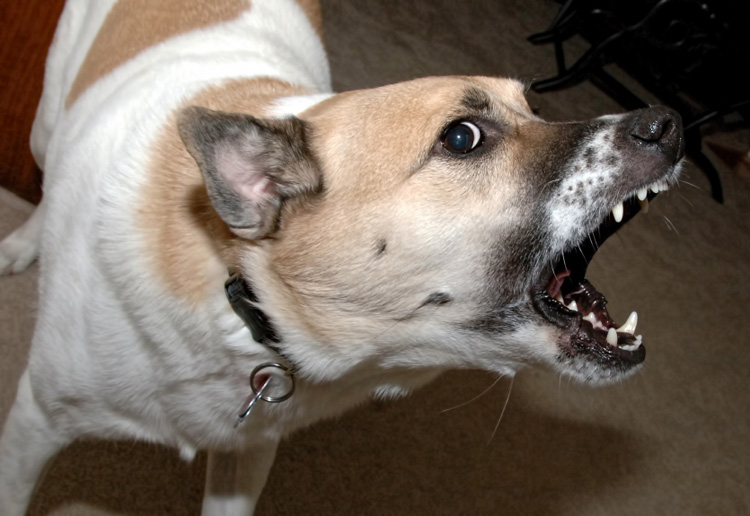
If you share your home with a dog that freaks out around other dogs or people, you’ve probably been refused or kicked out of regular group dog training classes. Luckily, there’s a new class emerging called reactive dog class that focuses on teaching aggressive dogs different skills in a group class setting.
Now, it’s not like a traditional dog training class, but the results are amazing. I’m lucky to teach these types of classes for the local veterinary behaviorist in my area, but not all dog aggression classes are alike. Here are a few tips on finding the right reactive dog class to reduce your dog’s aggression while teaching him new behaviors.
What are Reactive Dog Classes?
In the dog training world, we actually say “reactive dog classes” instead of “dog aggression classes,” as aggression is a symptom of anxiety and we all know anxiety makes you (and dogs) reactive. Knowing this, your dog training instructor will work within each dog’s threshold (the line before a dog freaks out) to slowly introduce positive associations with other dogs and teach new polite behaviors.
From a Dog’s Perspective
During reactive dog classes, dogs will learn how to behave properly rather than freak out, bark, lunge or freeze. You’re probably thinking this class won’t help your dog if other reactive dogs are attending, but these classes are purposely kept small (no more than five students and their dogs) and everyone stands behind visual barriers. Trust me, your dog will know other dogs are there. Since the sound or sight of other dogs are triggers for reactive dogs, keeping everyone safely tucked behind barriers works really well.
Dogs are slowly taught self-control exercises (e.g. control their behavior for a treat), relaxation methods (something most reactive dogs find extremely difficult) and positive associations with their triggers (e.g. sight of another dog or the sound of ID tags jingling). Each dog has his or her own set of triggers, which an excellent dog trainer can identify to ensure counter conditioning and desensitization works.
RELATED: 11 Common Questions Dog Trainers Are Asked
From a Pet Owner’s Perspective
Believe it or not, how you react around your dog’s triggers can either help or hurt your dog. Yes, you’re a valuable part of the team. In reactive dog classes, you’ll learn how to handle stressful situations before they happen, manage an encounter with your dog’s trigger (e.g. another dog approaching) and relax. Most reactive dog pet owners tense up. They’re terrified something will set their dogs off, so they walk around in a complete state of anxiety.
How to Find Reactive Dog Classes
Not all dog trainers can teach reactive dog classes or work with aggressive dogs. Even those calling themselves animal behaviorists (FYI there’s no such thing) aren’t equipped to work with dog reactivity. So finding an excellent reactive dog class can be challenging.
My advice is to find a local veterinary behaviorist and give her a call. These folks are veterinarians who are board-certified in animal behavior and know qualified reactive dog trainers within their surrounding states. They can most certainly point you in the right direction. It’s worth the extra effort because asking around or calling local dog trainers about reactive dog classes is extremely risky. If a dog trainer is in over her head, she can certainly make your dog much worse.
Secondly, reactive dog trainers never use punishment-based methods ever. This means dogs don’t wear choke chains, pinch collars or electronic collars. There’s no yelling, pushing or pulling a dog around. Punishment will only make a dog more anxious, as studies have proved it time and time again. Also, would you overcome your fear of driving over bridges if I yelled at you? Nope, you’ll just end up yelling back at me, which increases your anxiety. Ask your reactive dog trainer what methods she uses before enrolling.
What to Expect When You Enroll
These classes fill up quickly, so don’t be surprised if there’s a waiting list. Once you’re enrolled, you’ll probably receive specific directions on entering and exiting the training center about a week before your scheduled class. Dogs should never be allowed to see or bump into each other. Lastly, you’ll probably need some special equipment to keep you, your dog and other dogs safe if a dog should lunge. Don’t forget to bring lots of super yummy treats (100-150 pea-sized treats should be enough for one class).
If, at any time, you’re not comfortable, always inform your instructor. Sometimes, my students are so scared (they’re just as traumatized as their dogs) that we break a few exercises into smaller pieces. I do this because I know how difficult it is to learn when you’re anxious.
During reactive dog class, remember to take deep breaths. It will relax you and your dog!
READ NEXT: Resources for Dealing With Reactive Dogs