Dog Training Nation

In Dogs We Trust

  • Home
  • Training
    • Dogs
    • Puppies
    • Clients
  • Behavior
    • Breeds
  • Health
  • Safety
  • Resources
    • Equipment
    • Books
  • Dog Training Videos
  • About
You are here: Home / Archives for Rottweiler training

Do Different Dog Breeds Learn Differently?

August 31, 2016 by Fanna Easter

No, Different Dog Breeds Learn the Same
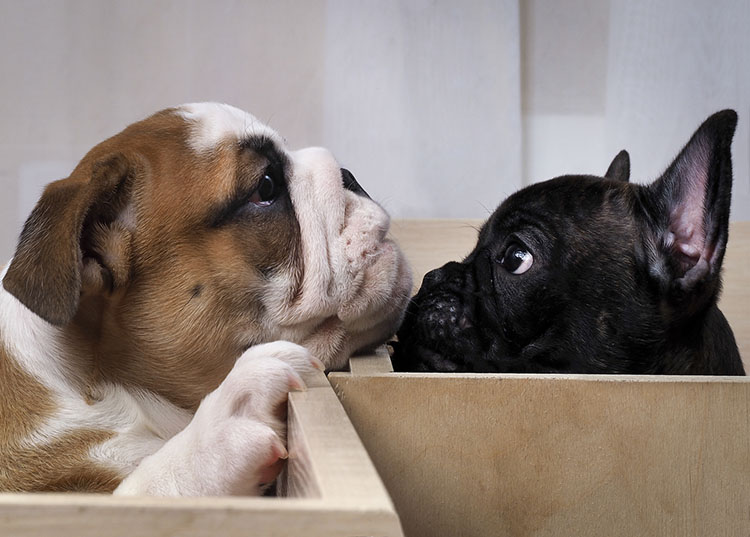
Different Dog Breeds
kozorog/iStock

“Do different dog breeds learn differently?” is the most asked question and it’s usually asked by purebred dog pet owners. As a professional dog trainer, I’m always happy to answer this question. If you’re curious if certain dog breeds learn differently, read below for a professional dog trainer’s take on different-breed dog training.

The Answer

Okay, here it goes! Each dog, regardless of breed, is an individual; and all dogs learn by following the same principles applied to human learning.

Yup, we use the same learning principles to teach:

  • Rhinos to hold their feet up for nail grinds
  • Silverback Gorillas to open their mouths for flossing
  • Fish how to perform tricks
  • Butterflies how to put on a show
  • Children to tie their shoes

I’ve trained hundreds of dogs, and each dog was able to learn the same behaviors given the same learning principles. While a dog’s specific breed can determine his ultimate dog training reward or reveal some aspects of his personality, it has nothing to do with his ability to learn new behavior.

But What About Bouviers Being Lazy or Pit Bulls Being Aggressive?

I cringe when someone mentions that Bouviers are lazy, Basset Hounds are slow, Terriers are untrainable, Rottweilers need a firm training hand or Poodles are the smartest breed. I also find it unsettling when I hear people say all Beagles howl, Irish Setters are ditzy, Chihuahuas are ankle biters, all Pit Bull Terriers are aggressive or other certain breeds requiring special training skills. These statements are simply not true, and I’m sure pet owners living with these different dog breeds would disagree too.

Let’s think about the question on whether or not different dog breeds learn differently another way. If certain breeds of dogs learn differently, how would we train mixed breed dogs? About 20-plus years ago, dog trainers were successfully teaching thousands of mixed breed dogs new behaviors—and that was before dog breed DNA testing. The only thing DNA testing for specific breeds has taught dog trainers is we were incorrectly assuming a mixed dog’s breed of origin. 🙂

Easiest Way to Train Any Dog Breed

Positive reinforcement is key and it works quickly! You’ve probably heard of positive reinforcement before and wonder what it had meant. Positive reinforcement is one of the four quadrants of operant conditioning, and it increases the likelihood that a behavior will be repeated.

Positive reinforcement means rewarding with a good thing whenever someone does a behavior you like. It’s important for professional dog trainers to have a thorough understanding of each quadrant and how it applies to dog training, as this is the foundation for all learning. If your dog trainer doesn’t know that, it’s time to find a better dog trainer.

Picking a Good Thing to Motivate Your Dog

Just because dogs are a certain breed, don’t assume certain breeds all like the same things. As pet owners, it’s our job to find each dog’s favorite “good thing” or ultimate reward and use it to teach polite behaviors.

Ignore your dog’s breed type and discover what your dog truly loves. As an example of how dog breed type can become quickly confusing, some Terriers may love bits of hot dogs instead of fetch, some Basset Hounds may find a fast game of tug more rewarding than treats and some Chihuahuas may find a game of fetch more rewarding than hugs and treats. Remember, learning depends on each individual dog’s personality and not his breed.

While your dog looks like a specific breed, he learns just like every other living being!

Filed Under: Behavior, Breeds, Dogs, Training Tagged With: do certain breeds of dogs learn differently, do dog breeds require different training, dog training, Dog Training Tips, golden retriever training, how to teach a dog, how to train a beagle, how to train a dog, how to train a golden doodle, how to train a puppy, how to train a rottweiler, how to train a terrier, how to train bull terriers, how to train german shepards, how to train labs, how to train mini bull terriers, pit bull training, Rottweiler training

How to Park Your Dog

October 24, 2014 by Fanna Easter

Train Your Dog to Stay

Train Your Dog to Stay

As a professional dog trainer, if I had to narrow down the top behavior all dogs should know, I would say parking your dog would be the first one! Trust me, “Come When Called” is probably right up there with “Park Your Dog.” However, this behavior will teach your dog to stay with you.


 “Park Your Dog” is a great way to bring your dog’s arousal level down. It’s like taking a yoga breath for your dog.


Why Should I “Park My Dog”?

“Park Your Dog” is a great way to bring your dog’s arousal level down. It’s like taking a “yoga breath” for your dog. Use this dog behavior when your dog becomes overwhelmed by visitors or anything, really! When teaching hyperactive dogs to be calm, many folks ask them to sit still. This is tough, as they are learning how to manage their extra energy and excitement. So next time your dog tries to jump on guests, “park your dog.”

Just by teaching your dog this simple behavior, your dog will learn

  • Self control (teaching your hyper dog to relax)
  • Polite greetings of people (not to jump on people or you)
  • Polite leash manners (not pull on the leash)
  • Ignore other dogs
  • Stay with you
  • Prevent excessive barking

How do I teach “Park Your Dog”?

  1. Step on your leash (about half way up to your dog, your dog should have 3 feet of extra leash).
  2. Click and treat your dog the instant the leash becomes loose. Tip: instead of watching your dog, feel when the leash tightens and loosens under your feet. The moment you feel slack in the leash, Click and treat!
  3. That’s it! Bingo, you are rewarding calm and quiet behavior!

Additional Troubleshooting:

  • Dog still jumps up on you, shorten the leash.
  • Dog continues to pull on leash, your timing is probably off a bit.  Click/treat every time the leash is loose.
  • My dog is still pulling, then call their name and click/treat five times in a row.  Now you have their attention, so keep their attention by rewarding frequently.

VIDEO: How to Teach “Park Your Dog”

When can you park your dog?

  • While talking to someone at the park
  • Having guests over
  • Outdoor dining
  • Paying at the pet store or vet’s office
  • During group class lecture, we ask pet parents to “park their dog” while listening to instructions

I want to hear from you! When should you park your dog?

Filed Under: Dogs, Training Tagged With: clicker training, dog behavior, dog trainer, dog training, Dog Training Tips, how to train a dog, how to train a puppy, how to train your dog, how to train your puppy, information about dogs, obedience training, puppy tips, puppy training, puppy training tips, Rottweiler training

Come When Called Part 3: Adding Distractions

September 26, 2014 by Fanna Easter

Teaching Your Dog to Come When Called

Adding Distractions to “Come” Cue

If your dog ignores you and runs off, it might need some specific training. Here is the final installment of a four-part series on training your dog to come. You’ll  learn:

  • How to perform an emergency recall
  • To call your dog indoors from the backyard
  • To call your dog back to you around distractions (squirrels, etc.)
  • How to teach multiple dogs to come back to you
  • Fun games

Directions

  • View first video and practice homework for seven days.
  • View second video, practice homework for seven days.
  • View third video, practice homework for seven days.
  • View fourth, and final, video.

Each video contains tons of information so re-watch them several times. Bookmark for easy future reference.

What you will need:

  • Delicious treats the size of a pea
  • Six-foot leash
  • Flat buckle collar or body harness
  • Clicker

Note: Always enroll your dog in a group dog training class. This video should not be used in place of dog training class attendance.

You’ve completed the “Come When Called” series. Revisit the videos as often as necessary for polite greeting behavior!

In case you missed it: Come When Called Part 1: Intro

Filed Under: Dogs, Training Tagged With: clicker training, dog training, dog training advice, Dog Training Tips, dog training video, how to train a dog, how to train a dog not to jump, how to train a puppy, how to train your dog, how to train your puppy, puppy tips, puppy training, puppy training tips, Rottweiler training

Come When Called Part 2: Adding Distance to “Come” Cue

September 18, 2014 by Fanna Easter

How to Train a Dog to Come to You

Come When Called
Bigandt/Deposit Photos
  • How to perform an emergency recall
  • Call your dog indoors from the backyard
  • Call your dog back to you around distractions (squirrels, etc.)
  • How to teach multiple dogs to come back to you
  • Fun games

RELATED: Come When Called Part 1: Intro

Directions

  • View first video and practice homework for seven days.
  • View second video and practice homework for seven days.
  • View third video and practice homework for seven days.
  • View fourth, and final, video.

Each video contains tons of information, so rewind and watch several times. Bookmark for easy future reference.

What you will need:

  • Delicious dog training treats
  • Six-foot leash
  • Flat buckle collar or body harness
  • Clicker

Note: Always enroll your dog in a dog training classes. This video should not be used in place of dog training class attendance.

WATCH: Come When Called Part 2: Adding Distance to “Come” Cue Video


See you in seven days! If you have any questions, please add them to the comment section below!

UP NEXT: Come When Called Part 3: Adding Distractions

Filed Under: Dogs, Training Tagged With: clicker training for dogs, clicker training for puppies, dog behavior, dog clicker training, dog training, dog training advice, dog training videos, german shepherd training tips, how to train a dog, how to train a puppy, how to train your dog to come, jumping dog, no jumping dog, pit bull training, puppy training, puppy training tips, Rottweiler training, training a puppy

Bully Breeds

August 29, 2014 by Fanna Easter

Top Dog Training Books

Best Dog Training BooksAre bully breeds different than other dogs? Yes and no. If you live with a bully breed, you must read these top dog training books written specifically for bully breeds. Once you read the first two pages, you’ll understand why these breeds do things differently than most dogs.

I’m blessed to live with two bully breeds, a mini Bull Terrier and Rottweiler, and I highly recommend these books and DVDs!

What is a Bully Breed?

In general, I’m not a fan of lumping specific dogs into groups. However, I’ve noticed bully breeds do things a bit different, which can get them in trouble. “Bully” means “bull,” which means certain breeds are descended from bull dogs. But not all bully breeds come from a bull dog — some just play like a bully breed and are extremely independent. 🙂 Usually, bully breeds:

  1. Have short coats
  2. Are moderately to heavily muscled
  3. Are bred to work independently (make their own decisions)
  4. Love to play using body slams (They play rough! Most dogs are completely offended by their rough play style.)
  5. Stare at new things, such as a dog, person or really, anything. (They don’t know staring is rude and they stare because they can. It’s that simple.)
  6. Have no personal space. When meeting dogs or people, they stand 1 cm away from the other dog (It’s like they did not get the memo that personal space is required.)

If your dog fits in 3-5 categories, then these books and DVDs will be eye-opening for you!

RELATED: Best Dog Training Books

Top Dog Training Book

“When Pigs Fly – Training Success with Impossible Dogs”
by Jane Killion
&
“Bully for You: What to Expect from Bullies and What They Need” DVDs
by Trish King

“When Pigs Fly” will explain how to teach bully breeds polite manners using positive reinforcement training. Plus, you’ll understand what your dog sees from his perspective. You will laugh out loud, as Jane provides examples of independent dogs doing their own things – this hits home. 🙂 Jane Killion lives with Bull Terriers, and this breed is a hoot! They’re like a two-year-old child wrapped in a fur suit, and oh can they play rough! Trust me, Stella Mae, my mini Bull Terrier, will get so close to someone, especially if he is new to her, that she will be literally pushing against his left nostril!

“Bully for You” is a two-part DVD set and worth its weight in gold. This is an excellent visual for pet parents. It demonstrates how to interrupt rough play and keep your bully breed calm (sub-threshold) as well as another view from your dog’s perspective. Also, you’ll learn how to teach your bully breed:

  • How to look away instead of staring
  • Provide personal space

Best Book on Dog Greeting

“Out and About with Your Dog – Dog to Dog Interactions on the Street, on the Trails, and in the Dog Park”
by Sue Sternberg

Contrary to what many pet parents believe, socialization does not mean your dog must meet other dogs. In fact, forcing your dog to meet every dog within a 50-mile radius is taking socialization to the extreme. Sue Sternberg is a master in dog body language and explains what to do in dog to dog interactions.

Remember, bully breeds love to stare, get too close and play rough, which is considered rude to most dogs. Never allow your dog to act rudely to other dogs, as this will cause a fight! Your bully breed is acting friendly, and it’s not his fault another dog deems him rude and starts growling. It’s your job to teach your bully breed how to greet other dogs politely.

What are the best dog training books you recommend for bully breeds? Do you have a bully breed?

You may also like: American Pit Bull Terriers

Filed Under: Books, Resources Tagged With: american pit bull terrier training, best dog training book, best dog training book review, best dog training books, book dog, books about dogs, boston terrier training, bull terrier training, clicker training dogs, dog training book, dog training book review, dog training books, dog training dvd, dog training supplies, dogs for adoption, foster dog, german shepherd training tips, getting a new puppy, getting a puppy, how to train a bull terrier, how to train a puppy, how to train a rottweiler, how to train an older dog, information about dogs, miniature bull terrier training tips, perfect dog, pit bull training, popular dog books, positive dog training methods, puppy supplies, puppy tips, puppy training book, Rottweiler training, top dog book, top dog training books, training rottweilers

  • 1
  • 2
  • Next Page »

About

Dog Training Nation is a community of dog trainers, dog owners and dog lovers. Our mission is to provide trainers and owners valuable information to enrich dogs' lives. We cover a range of topics, from socializing puppies to dealing with aggressive dog behavior to selecting the best dog products. It is our hope you share our content to make the dog and owner world a better place.

​

Facebook

Video

Dog Training Nation is a dog training blog for pet owners and dog lovers. We cover a range of topics from puppy socialization tips to dog aggression to dog health. It is our hope you share our content to make the world a better place for dogs.

Dog Training Nation

Quick Links

Dog Training
Dog Behavior
Dog Training Videos
Become a Dog Trainer
About
Contact Us

Copyright © 2026 · Lifestyle Pro Theme on Genesis Framework · WordPress · Log in