Dog Training Nation

In Dogs We Trust

  • Home
  • Training
    • Dogs
    • Puppies
    • Clients
  • Behavior
    • Breeds
  • Health
  • Safety
  • Resources
    • Equipment
    • Books
  • Dog Training Videos
  • About
You are here: Home / Archives for stop dog aggression

Reactive Dog Resources You Need to Get Started

June 24, 2016 by Fanna Easter

Reactive Dog Resources
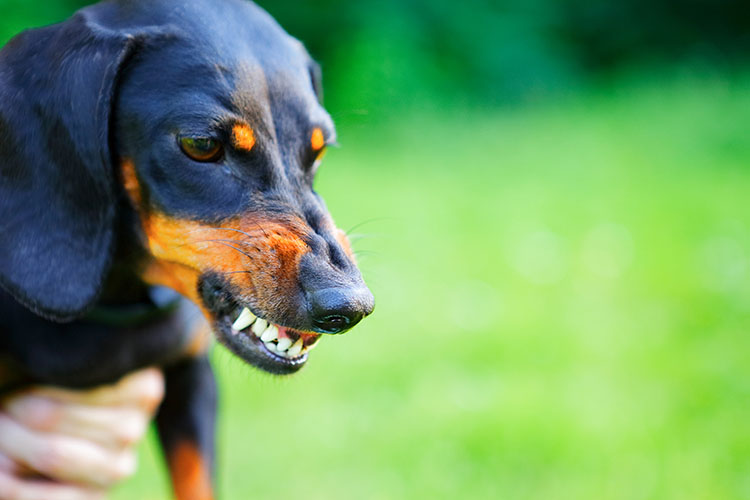
Reactive Dog Resources
alexandrshevchenko/iStock

As a reactive dog owner, you should stay up-to-date on reactive dog resources and training tips. Dealing with a reactive dog can be difficult, which is why you should seek help from qualified professionals who will provide support, listen to you throughout the entire process, use positive reinforcement training and provide results.

While positive results are important, teaching you how to handle a stressful situation quickly and how to positively change your dog’s behavior is much more valuable in the long run. If you’re looking for answers, check out these resources below. You’ll find plenty of reactive dog resources and dog training solutions. 🙂

RELATED: 5 Reactivity and Aggression Tips That Will Make Your Life Easier

Veterinary Behaviorists

Finding a veterinary behaviorist should be the first step pet owners take when dealing with a reactive dog, but unfortunately many pet owners seek these professionals as a last resort. A veterinary behaviorist is a veterinarian who’s board certified in animal behavior. These professionals treat reactive dog cases every day. Plus, they’re up-to-date on the latest behavior protocols, tests and medications. To find a veterinary behaviorist in your area, check out American College of Veterinary Behaviorist.

If you’re fortunate to live near a veterinary behaviorist, it’s worth scheduling an appointment with that person face-to-face. Now, some pet owners aren’t that lucky. If you’re unable to speak directly to a vet behaviorist, do know that all veterinary behaviorists will consult with your regular veterinarian by phone. There are so many benefits to bringing a veterinary behavior expert into the mix. For example, she can recommend a local qualified dog trainer and point you in the right direction.

Qualified Dog Trainers

Not all dog trainers are qualified to work with reactive dogs; actually, most of them aren’t qualified. Keep in mind there’s no such thing as an animal behaviorist. This is a made-up term in the dog training world. Anyone can call herself an animal behaviorist, as there’s no certification or requirement to do so.

When searching for a qualified dog trainer, you can ask your veterinary behaviorist for a referral. In most cases, she’ll know local dog trainers who have experience working positively with reactive dogs. Seek a dog trainer who is Behavioral Adjustment Training (BAT) certified. These dog trainers know how to use counter-conditioning and desensitization for reactive dog training, and they clearly explain their process to pet owners.

If your veterinary behaviorist doesn’t know of any dog trainers in your area and you’re unable to find a BAT-certified dog trainer nearby, then I suggest searching for a professional dog trainer who specializes in dog reactivity or aggression. The dog trainer you choose should have a minimum of 5 years of experience—not counting school—because it takes years of hands-on experience and continuing education to learn how to successfully change a reactive dog’s behavior.

Check out Karen Pryor Academy of Dog Trainers, Pet Professional Guild, International Association of Animal Behavior Consultants (IAABC) and Animal Behavior College.

RELATED: How to Choose a Good Dog Trainer

Books & DVDs

There are a ton of books that discuss dog behavior and dog reactivity, but many are too difficult to read. I’ve compiled a few must-have books for reactive dog training below. Each book is different and reading them all will help you interpret dog body language and understand why reactive dogs act a certain way and how to change their behavior.

“Calming Signal – What Your Dog Tells You” by Turid Rugaas

This easy-to-read booklet gives you the foundation to both successfully interpret your dog’s body language and change his behavior. If you can’t identify when something bad is about to happen, you can’t prevent it from happening.

“Feisty Fido: Help for the Leash-Reactive Dog” by Patricia McConnell and Karen B. London

This quick read will teach you the importance of an emergency U-Turn as well as how to handle situations when your dog reacts.

“Behavior Adjustment Training 2.0: New Practical Techniques for Fear, Frustration, and Aggression” by Grisha Stewart, M.A., CPDT-KA

This book, which also comes in a DVD set, will teach you how to change your dog’s behavior. Now, this book will be a bit challenging to read for most pet owners, so I highly recommend referring to this book when working with a veterinary behaviorist and qualified dog trainer.

Hopefully, these reactive dog resources will help you get started in your quest for answers. Good luck on your journey. Many of us have taken it with great success. 🙂

Filed Under: Behavior, Books, Clients, Resources, Training Tagged With: dealing with dog aggression, dog aggression, dog aggression tips, dog barks at other dogs, dog barks at people, dog dislikes other dogs, dog dislikes people, dog lunges at other dogs, dog lunges at people, dog trainer dog aggression, dog training, Dog Training Tips, help for dog aggression, help for dog reactivity, how to teach a dog, how to train a dog, stop dog aggression, teach a dog, train a dog

Offensive Dog Aggression

January 9, 2015 by Fanna Easter

Dog Aggression

Offensive Aggression
This Spaniel warns not to proceed forward with a direct stare.

You reach for the dog nail trimmers. As you’re approaching your dog, he freezes, lowers his head and growls. His warning growl says, “Don’t do it.” You stop in your tracks, sigh and feel defeated so you put the nail trimmers back in the cabinet and watch TV instead. Sound familiar?

Learn how to identify and successfully manage offensive dog aggression. The solution is probably not what you’re thinking. 🙂

What is Offensive Dog Aggression?

Offensive means to stop something before it happens. Aggression means “hostile or violent behavior toward something.” When paired together, offensive aggression means to threaten violence toward someone before something bad happens. Usually, this is a learned behavior; a dog learns how to successfully stop a perceived threat before it happens.

Offensive aggression exists in the human world too. People usually stare threateningly at past enemies, freeze when an opponent walks into a room or verbally threaten attackers to prevent them from approaching.

When I say “learned,” it takes practice to figure out what aggressive displays work best to prevent a perceived attack. Direct eye contact may work, but what if it doesn’t? Offensive aggression is a fine line. Push too hard, then violent fights break out. Immediate physical attack can cause a fight, which dogs want to prevent. That’s why they’re learning to warn instead. 

Prevention

Prevention means listening to your dog. If he is uncomfortable, stop. Offensive aggression stems from past negative experiences. Dogs learn that “x” equals “y” so they better stop “x (dog, person, whatever)” from “y (hurting them again).”

Instead of forcing nails trims or body handling, teach dogs to allow it. As much as we want dogs to be “little humans,” they’re not. So instead of grabbing your dog’s toenail and trimming, touch his nail, click and give a treat. The same goes for body handling. Most dogs dislike restraint so teach them it’s fun and they will not be harmed.

Never force a dog or puppy to meet strange dogs. This can create a dog aggressive dog in seconds. Dogs, which are scared of other dogs, will display offensive aggressive body language when they see another dog. It’s almost like they’re saying, “I’ll get you before you get me!” Yikes!

RELATED: Introducing Dogs with Boundaries

Still don’t believe me? Remember when Great Aunt Emma would grab and hug you until your eyes popped out at Christmas dinner? Soon you learned to avoid her by hiding under the table. But what if Great Aunt Emma gave you candy, as she hugged you, it wouldn’t be so bad, huh?

What Does Not Work?

For some reason, we feel that forcing a dog to deal with negative things is part of life. Have you looked into your dog’s mouth? Do you see those big teeth? Yeah, they can and will use them. Dogs are not fuzzy humans. Force means threats in their world and dogs will learn to fend off threats. Would you force a silverback gorilla to trim his nails? You probably wouldn’t because they’re bigger and stronger, and can cause serious harm — same with dogs. Dogs will never enjoy nail trims, but they will learn to tolerate. They trust you to not harm them and you will stop when they need a break. Plus, they earn yummy treats (their paycheck).

Management

Dog Aggression
“I said no!”

If your dog already displays offensive aggression when her nails are being trimmed or when a strange dog approaches, then it’s time to teach her fun things happen instead.

To begin, you’ll need a clicker and yummy treats.

Nail Trims

Practice each step 5 times a day for 3 days. If your dog becomes confused, take a step back. I’ve found restraint of the paw usually causes a dog to become uncomfortable so practice often.

  1. Touch a front paw with your hand and click/treat.
  2. Touch a back paw with your hand and click/treat.
  3. Touch a front toenail with your finger.
  4. Now practice touching a back toenail with your finger.
  5. Show your dog the nail trimmer (dog does not need to touch nail trimmer). Just pair a click/treat with the presence of the nail trimmer.
  6. Touch nail trimmer to paw.
  7. Now, touch nail trimmer to front toenail (Don’t trim a nail yet. If you do, you’ll most likely have to start back at step 1).
  8. Touch trimmer to back toenail.
  9. Hold front foot in your hand for 1 second.
  10. Hold back foot in your hand for 1 second.
  11. Trim a tiny tip off one toenail and end session.
  12. Continue to practice until each toenail can be easily trimmed.

Body Handling

Take a peek at this video, which provides great tips on teaching body handling. Same principles apply when teaching your dog to allow nail trims too!

Coming Out of Crate

Move away from the crate opening. Better yet, stand next to the side of the crate. Toss a super yummy treat about 6 feet outside the crate opening. Bingo!

Strange Dog Approaching

This Dog Socialization Tips article covers prevention and management in detail.

Prevention is key!

Filed Under: Behavior Tagged With: dog aggression, dog growls during nail trims, dog hates nail trims, dog hates other dogs, my dog growls at me, offensive dog aggression, preventing dog aggression, puppy growls at me, stop dog aggression, stop dog from growling at you, what is offense dog aggression

About

Dog Training Nation is a community of dog trainers, dog owners and dog lovers. Our mission is to provide trainers and owners valuable information to enrich dogs' lives. We cover a range of topics, from socializing puppies to dealing with aggressive dog behavior to selecting the best dog products. It is our hope you share our content to make the dog and owner world a better place.

​

Facebook

Video

Dog Training Nation is a dog training blog for pet owners and dog lovers. We cover a range of topics from puppy socialization tips to dog aggression to dog health. It is our hope you share our content to make the world a better place for dogs.

Dog Training Nation

Quick Links

Dog Training
Dog Behavior
Dog Training Videos
Become a Dog Trainer
About
Contact Us

Copyright © 2026 · Lifestyle Pro Theme on Genesis Framework · WordPress · Log in
