Dog Training Nation

In Dogs We Trust

  • Home
  • Training
    • Dogs
    • Puppies
    • Clients
  • Behavior
    • Breeds
  • Health
  • Safety
  • Resources
    • Equipment
    • Books
  • Dog Training Videos
  • About
You are here: Home / Archives for stop dog barking

Help! My Neighbor Complains About My Barking Dog

September 20, 2017 by Fanna Easter

How to React When a Neighbor Complains

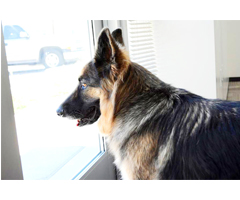
Neighbor Complains About My Barking Dog
mfotohaus/Adobe Stock

As you arrive home from work, you notice a note taped to your front door. It’s from your neighbors, and they’re complaining about your dog barking constantly while you’re away at work. What should you do?

Don’t Ignore the Situation

Many pet owners simply ignore neighbors’ complaints; they assume the complaint is not true. But is it? Neighbors don’t complain just to complain—unless they feel ignored. Regardless of your past feuds, it’s important to take your neighbor’s complaint seriously. Call, email or leave a note on your neighbor’s front door, and acknowledge his complaint politely. Apologize profusely, and let him know you’re putting a plan into action immediately.

How Bad is Your Dog’s Barking?

Pet owners are usually very aware that their dogs bark when they’re not home, but how bad is it? It’s important to know if your dog is bored or suffering from separation anxiety. Set up an old smartphone or tablet in your home, and Skype yourself from your current phone. Or purchase an interactive dog camera system to check in on your dog throughout the day. Many camera systems will automatically alert pet owners when their dogs start barking.

If possible, record some of this footage for future reference with a professional dog trainer or veterinary behaviorist. Knowing what’s going on while you’re away will help you address your dog’s barking problem and neighbor’s complaint quickly.

Change Your Dog’s Behavior

Incessant dog barking behavior will not resolve on its own, so it’s important to take time to change your dog’s behavior. One way to change your dog’s behavior is to keep her indoors when you’re unable to keep an eye on her. Never leave a dog alone outdoors. Depending on what you find during your daily video sessions, it’ll be better to start changing your dog’s behavior sooner than later.

For dogs with separation anxiety, partnering with a professional dog trainer is the only way to successfully manage this issue. For bored dogs, hire a pet sitter to walk your dog while you’re at work. While this may seem like an unneeded expense, a pet sitter’s fee of $20 per day is much cheaper than animal control fines and lawsuits. Check out additional tips on keeping a bored dog quiet while you’re away.

Electronic Collars Don’t Work

Unfortunately, an electronic collar or anti-dog barking device is the first item that pet owners purchase when neighbors complain about their barking dogs. After polling hundreds of pet owners, many claim their dogs continued to bark or became aggressive after using an electronic collar. Many dogs are so frightened by the pain, they hide under furniture, urinate or defecate.

There are so many other options that work quickly and won’t cause your dog pain. For example, a Manner’s Minder or Pet Tutor will keep your dog busy throughout the day and prevent barking behavior. These items cost the same or less than an electronic collar, and work much better. If your dog still barks, hire a positive reinforcement dog trainer for best results.

Never ignore a complaint, and start changing your dog’s behavior today.

Filed Under: Behavior, Training Tagged With: barking dog driving neighbors crazy, dog barking, dog barking angry neighbor, dog barks when left alone, dog behavior, dog training, Dog Training Tips, how to deal with neighbor angry my dog barks, how to stop a dog, how to train a dog, neighbor complained about my dog barking, neighbor complains about dog barking, stop dog barking

Dog Shock Collars are Cruel and Unnecessary

July 20, 2016 by Fanna Easter

Dog Shock Collars: They Hurt and They Don’t Work

Dog Shock Collars
GalpinPhotos/iStock

A few days ago, I stumbled upon a news article in which a mother was accused of shocking her toddler with one of these dog shock collars. What? Is this article for real?

Unfortunately, it’s very real and the mother is being prosecuted for child abuse. She had witnessed a pet owner using a shock collar on his dog to change the dog’s behavior. She thought the collar would change her toddler’s behavior too, so she shocked her child whenever he wouldn’t swallow food or didn’t potty in the toilet. I’ll spare all the gory details because it’s truly disturbing. However, if you want to read the full article, click here.

The world and I were disgusted that a mother would shock her child, but don’t we use shock collars to train dogs every day? Is there a difference?

Why It’s Upsetting

As a positive reinforcement dog trainer, I don’t use shock collars for dogs and stay clear from people who use them. I guess it’s my way of ignoring the problem. However, when I read this news article pertaining to a mother shocking her child, my heart dropped and that angry fire started burning inside me again. I asked myself, “Why are we still using dog shock collars?”

Everyone has a right to do as he pleases unless he’s harming someone else. For the most part, adults have a voice and can defend themselves if someone hurts them. They’ll fight back or press charges, or even do both. I don’t pick sides and I try to stay out of other people’s business, but when a voiceless and defenseless child or animal is hurt, I get really angry.

Dog Shock Collars Cause Pain

There is no reason to shock an animal. I’ll never be convinced that shocking or physically hurting an animal will teach it quicker, faster, more efficiently or more humanely. I’ll never believe any and all other buzzwords that further defend the use of pain during training.


Dr. Karen Overall, MA, VMD, PhD, DACVB, believes everyone should understand that:
“The use of shock is not treatment for pets with behavioral concerns;
the use of shock is not a way forward;
the use of shock does not bring dogs back from the brink of euthanasia; instead, it may send them there, and;
such adversarial techniques have negative consequences that those promoting these techniques either dismiss or ignore.”


I Used to Train Dogs With Shock Collars

You’re probably thinking I’m that dog trainer with limited dog training experience who has only used positive reinforcement methods. That’s not true. More than 25 years ago, I trained dogs with electronic collars (or e-collars), pinch collars and choke chains because that’s all I had known.

As I became more experienced, I knew something was wrong. I felt icky shocking a dog if he made the wrong choice. The look in his eyes would say everything. After a decade of training this way, I learned that rewarding good behavior instead of correcting bad behavior was the best way to train dogs (or any living creature for that matter).

Not only did my dog training skills improve, but my group classes were much happier too. We celebrated wins instead of waiting for bad things to happen, so we could correct them.

Oh yes, I’m on my soap box! If everyone clasps their pearls when they hear a mother shocking a defenseless child, why don’t they react the same way when a pet owner shocks a defenseless dog? Dog shock collars hurt. I’ve tried them on my leg, arm and neck at the lowest settings possible. Even knowing the shock was coming, it would still hurt. Shock collars don’t deliver a tickle, vibration or a buzzing sound. They stinking hurt.

Research Proves Shock Collars for Dogs Hurt

If you don’t find dog shock collars painful, you’re fooling yourself. Research has finally caught up and proven that shock collars do cause dogs harm. If you’re interested, you can find the latest research here and here. There’s more than a dozen research findings by real experts in this article too. The results all point to the same painful conclusion.

You may also be interested in: The Real Reason Why Dog Trainers Dislike Cesar Milan

Shock Collars Aren’t the Last Resort

Dog shock collars aren’t the last resort for saving a troubled dog’s life. I highly doubt you would consciously choose shock therapy to save your life. However, you have a choice whereas a child or dog doesn’t. Positive reinforcement dog training works better and quicker and changes dog behavior.

All creatures should be treated humanely because it’s the right thing to do regardless of your beliefs. I’m stepping off my soap box now and I strongly hope this article will stop at least one pet owner or dog trainer from purchasing or using a shock collar on a dog. As for new dog trainers entering the pet industry, you don’t have to use these painful collars. You can find much better ways to train dogs.

Choose to be kind. It’s the right thing to do.

Filed Under: Dogs, Equipment, Resources, Safety, Training Tagged With: ask a dog trainer, dog behavior, dog trainer advice, dog trainer tips, dog training, Dog Training Tips, electronic collar dog, how to teach a dog, how to train a dog, how to train a puppy, shock collar dogs, should I use a shock collar on my dog, should I use a shock collar on my puppy, stop barking behavior, stop dog barking

Separation Anxiety in Dogs

September 2, 2014 by Fanna Easter

Preventing & Treating Separation Anxiety in Dogs

Separation Anxiety in Dogs
Is dog barking a symptom of separation anxiety?

Is your dog barking due to separation anxiety (SA)? Learn how to identify and prevent dog separation anxiety, and how to seek professional help if needed.

What is Separation Anxiety?

Separation anxiety occurs when a dog has a panic attack when left home alone. It’s like your dog freaks out and can’t control his terror or panic. He’s terrified to be left alone.

Dogs with mild separation anxiety usually pant heavily, vocalize, spin in their crates or at the back door when they’re left alone. Moderate to severe SA dogs will self-mutilate themselves trying to escape, such as ripping out their teeth or crashing through glass windows in an effort to escape.

Identifying Separation Anxiety

As a professional dog trainer, I can usually spot dogs predisposed to separation anxiety. It’s almost like they’re super sensitive and feel things at a deeper level than most dogs. Lovingly, I refer to them as “velcro dogs,” as dogs with separation anxiety are always by your side and looking into your soul. 🙂

Most dogs with anxiety follow you from room to room, watch over you while taking a shower or bath (I think they’re making sure you don’t drown), scream in excitement when you come home and crawl in your lap when you’re sad.

While most dogs will bark and whine when they’re alone, especially when left in a crate, it’s important to differentiate between a dog that isn’t crate trained and a dog with separation anxiety.

When in doubt, revisit “Crate Training Tips” to brush up on your crate training skills. If after putting those dog training tips in practice and your dog still stresses out, then you need to seek professional help from animal behaviorists.


 Still not sure if your dog has separation anxiety? Record your dog when left alone.

If you don’t have a dog monitor camera, use Skype or FaceTime.


How to Prevent Separation Anxiety in Dogs

Our behavior is critical to preventing and managing separation anxiety in dogs. Many times, pet parents reward separation anxiety behaviors because it’s really reinforcing us to be unconditionally loving and we don’t want to upset our velcro dog.

Trust me, I totally understand the feeling and emotion when coming home to your dog. He celebrates with unbridled enthusiasm and vocalizes as if his heart is full again. He’s thinking, “You’re home!” Be careful though. It’s not fair to your dog when you reinforce his excitement for your arrival. He needs to learn coping skills when left alone.

  • Make leaving uneventful
    • Give your dog a yummy food stuffed toy about 5 minutes before leaving.
    • Get your car keys, say nothing to your dog and leave.
  • Make your return uneventful
    • The moment you step into the door, ignore your dog. Trust me, I know it’s hard! Not only are you preventing SA, you’re teaching your dog not to jump on you.
    • Set your keys down and then take your dog out to potty.
    • Once he potties, then reward your dog, but keep celebrations to a minimum. No more happy dances. 🙂
  • Teach your dog that alone time is good
    • When taking a shower:
      • Give your dog a food stuffed toy.
      • Close the bathroom door to separate you and your dog.
      • When opening the door, don’t celebrate.
    • When leaving for 5-10 minutes:
      • Get the mail alone every other day.
      • Work in the yard alone for 10 minutes, then bring your dog out to enjoy yard work.
    • Close a door between you and your dog for a few minutes every day to teach your dog how to be alone.

Additional Valuable Tips

  • Exercise your dog or puppy daily. Most tired dogs will sleep when left alone.
  • Pair yummy food stuffed toys with leaving. This redirects his attention rather than worry about being left alone.
  • Turn on calming music for dogs. Personally, I use and recommend Through A Dog’s Ear CDs or downloads. They’re very relaxing—even for me. 🙂
  • Invest in pheromone plugins or sprays. These emit pheromones mimicking a nursing mother dog and have proven very effective with dog separation anxiety cases.

Yes, in the past and currently, I share my home with SA dogs with variable degrees of anxiety. It’s a tough road, but with professional help, this can be successfully managed and your dog can learn to be alone. 

When Separation Anxiety is Serious

If your dog displays moderate-to-severe separation anxiety symptoms, you need professional help.

Your dog’s behavior will only worsen. It won’t resolve itself, and your dog won’t get over it. I’ve witnessed dogs de-gloving their ears trying to escape from their crates. One client’s dog amputated his own tail, trying to escape his home when left alone. It can get that serious.

What are your questions about separation anxiety? I’m listening!

Filed Under: Behavior Tagged With: barking dog complaint, crate training, dog anxiety, dog bark, dog barking, dog barking all night, dog barking stop, dog behavior, how to stop a dog barking, no bark collar, separation anxiety, stop dog barking, velcro dog, velcro dogs, why dogs bark

Request Dog Barking

August 26, 2014 by Fanna Easter

How to Stop a Dog From Barking

How to Stop Dog BarkingDoes your dog wake you up at 5 a.m. for breakfast? Or remind you it’s time to eat at 5 p.m.? Ah, this is “request barking” at its finest!

Request barking is pretty close to “attention seeking barking” except a few minor tweaks when teaching dogs to stop barking.

This is pretty easy to fix. You’ll just need patience. 🙂

Dogs thrive on schedules. They are pretty dependent on us so having a set schedule predicts when they will potty, eat and when you arrive home. Funny how dogs will wake up from a nap at exactly 5 p.m. because their person is due to arrive!

Let’s get back to your dog breathing in your face at 5 a.m. on Saturday asking for breakfast. 🙂

Try this:

o   When your dog tries to wake you up, ignore him.

o   Turn over and go back to sleep. Cover your head — whatever it takes to disengage from your dog.  I know it’s hard to ignore a dog demanding breakfast, but this is the first step to teaching him to sleep in.

o   Once your dog ignores you and lays down, sit up, put your feet on the ground, bring him potty and serve his breakfast. Now, I know you’re thinking you’ve just rewarded your dog by feeding him at 5 a.m., but actually you rewarded quiet behavior instead.

o   Now practice every morning.  Slowly add duration, meaning wait until your dog is quiet and it’s later than 5 a.m.

Start to finish, this usually takes two weeks to teach so hang in there. 🙂

What if my dog never stops barking?

If your dog has practiced request barking for a long time, the barking will get worse before it gets better. We call it extinction bursts, and they are very normal. 🙂

Think of it this way:

  • Your dog barks.
  • You ignore your dog.
  • Dog barks louder and longer. Maybe you did not hear him bark the first time (very big grin!).

Whatever you do, continue to ignore your dog. Even when barking worsens, your dog will think, “I need to scream for 10 minutes while standing 2 inches from my owner’s nose. Then, he can hear me.” Your dog is  learning that any type of vocalization does not work. When the dog is quiet, then you’ll wake up and feed him.

If you live in an apartment or townhouse, begin the training process by sleeping in a room furthest away from your neighbor. Once your dog understands “quiet” means “breakfast,” then move back to your main bedroom. This really helps for extinction bursts. Again, this usually takes a maximum of two weeks to teach your dog.

Dog Barking Constantly to Go Outside

If you’re potty training a puppy, then acknowledge his request and bring him outside on a leash. Once he potties, he earns playtime in the yard so unsnap the leash.

However, if your adult dog is constantly asking to go outside, attach a leash and walk outside. Once he potties, then take off his leash so he has plenty of yard playtime.

If once you bring your dog indoors and requests to go back out, ignore him. If you’re not sure if your dog needs to potty, put him on a set schedule so he will predict when he will potty again.

Personally, my dogs have a specific cue to tell them they need to potty. Stella Mae, a mini Bull Terrier, decided to use her “potty alert” over and over again because this means I’ll open the door. After the third “potty alert,” I caught on real quick and ignored her requests. It took a few days, but she now knows this no longer works. 😀

Bark back! I’m listening! Any questions about request barking please add in the comment section below.

More:
Dog Barking – Finding the Trigger
Dog Barking at Sounds
How to Stop a Barking Dog
Attention Seeking Barking
Barking When Excited

Filed Under: Behavior Tagged With: barking dog complaint, barking in crate, dog bark, dog barking, dog barking at people, dog barks, Dog Training Tips, dogs barking, how to get your dog to stop barking at you, how to teach your dog not to bark, how to train a dog, how to train a puppy, my dog barks at everything, stop dog barking, stop my dog barking, stop puppy barking, teaching dogs not to bark, whining dog, why do dogs bark

Stop Dog Barking Next Door

August 25, 2014 by Fanna Easter

Stop Your Neighbor’s Dog From Barking

How to Stop Dog BarkingDoes your dog bark at night? How about your neighbor’s dog? Learn how to stop dog barking even at night plus how to effectively communicate to your neighbor that his dog is keeping you up at night.

Why Dogs Bark Outside

Dogs bark outside because they’re bored, or lonely, especially at night. Take this journey with me. I’m honestly and openly explaining from my dog trainer’s point of view why your “outside dog” barks and how to fix his behavior permanently. This article is not meant to point fingers or blame anyone. We do better when we know better.

Seeing things differently:

For the most part, the idea of living on multiple acres of land with no neighbors in sight is long gone. With the increase of new homes being built to accommodate rapid human population growth, most folks live pretty close to their neighbors. We need to rethink and evolve. Dogs should not be kept outdoors. It’s not fair to your neighbor and certainly not fair to your dog.

Dogs are domesticated, which means they must have constant social interactions with people. Getting your dog a friend, or bringing another dog into your household, and putting him outside with your current dog will only result in two dogs barking at night. I do not recommend this.

How to Stop Dog Barking at Night

Bring your dogs inside. Many readers will shake their heads and say, “I don’t allow dogs in my house.”

First, understand your dog’s point of view. Dogs left in the yard are bored because there is nothing to do. Pet owners leave their homes several times a week, but your dog does not. He is bored seeing the same thing day in and day out. It’s like living as a “shut in,” which is not fair.

I’m not a fan of bark control collars because using them would be punishing your dog for being bored and lonely, which isn’t fair to him. Plus, they are very expensive and don’t always work, and can lead to aggression.


 Instead, bring your dog indoors at night to keep barking to a minimum or stop it completely.


How to Bring Your Barking Dog Indoors

  • Place a crate inside your home, but close to the backdoor.
  • Bring your dog inside. This will stop excessive barking and noise complaints from your neighbors.
  • Learn Crate Training Tips for your dog. This is much easier to teach than trying to stop your dog from barking in the backyard.
  • During the day, when you’re not home, bring your dog indoors. Invest $10-$20 a day for a pet sitter to walk your dog for 30 minutes.

I’m not saying your dog should live in his crate. A crate is a tool to teach polite indoor manners so your dog will eventually be allowed indoors at all times.

What this means for you:

Bringing your dog indoors, using the above steps, takes less time and money than trying to teach your dog not to bark. Plus, bringing your dog indoors will stop him from:

  1. Escaping out of the yard
  2. Excessive barking
  3. Digging holes
  4. Chewing outdoor items
  5. Experiencing hyperactivity (Yes, just because a dog is outside does not mean he is getting exercise.)
  6. Being exposed to hot or cold temperatures

Your Neighbor’s Dog is Barking

I live by the motto, “Doing nothing is the worst mistake.” First, understand that judgement, anger and accusations will do nothing to help this issue. Instead, if you know someone with an excessively barking dog or an outside dog, print this article and place in his mailbox or forward as an email.

If forwarding as an email, write, “I’ve noticed your dog barks at night. This article contains real solutions and will really help you both.” By providing solutions, your message will be successfully delivered, as you want to help both the pet parent and his dog. Plus, if they have any questions, I’m here to answer them, I promise. 🙂

This is not a gimmick to popularize this blog. This is to help dogs live a better life. Period. You can remove our tagline. The goal of this blog is to share because we care, and I promise you we live by these words everyday.

This was a tough article to write, probably the toughest in many years. I feel many ignore this increasing problem so I’m hoping this article can help at least one dog enjoy living inside with his family.

More:
Request Dog Barking 
Attention Seeking Barking 
Dog Barking at Sounds 
How to Stop a Barking Dog

What questions do you have? I’m here to help.

Filed Under: Behavior Tagged With: bark collar, dog bark, dog barking all night, dog barking at night, dog barks, dog training, dogs barking, how to train a dog, neighbor's dog barking, no bark collar, stop dog barking

  • 1
  • 2
  • Next Page »

About

Dog Training Nation is a community of dog trainers, dog owners and dog lovers. Our mission is to provide trainers and owners valuable information to enrich dogs' lives. We cover a range of topics, from socializing puppies to dealing with aggressive dog behavior to selecting the best dog products. It is our hope you share our content to make the dog and owner world a better place.

​

Facebook

Video

Dog Training Nation is a dog training blog for pet owners and dog lovers. We cover a range of topics from puppy socialization tips to dog aggression to dog health. It is our hope you share our content to make the world a better place for dogs.

Dog Training Nation

Quick Links

Dog Training
Dog Behavior
Dog Training Videos
Become a Dog Trainer
About
Contact Us

Copyright © 2026 · Lifestyle Pro Theme on Genesis Framework · WordPress · Log in