Dog Training Nation

In Dogs We Trust

  • Home
  • Training
    • Dogs
    • Puppies
    • Clients
  • Behavior
    • Breeds
  • Health
  • Safety
  • Resources
    • Equipment
    • Books
  • Dog Training Videos
  • About
You are here: Home / Archives for stop dog hot spots

Causes of Lick Granuloma

October 13, 2015 by Fanna Easter

Lick Granuloma Overview
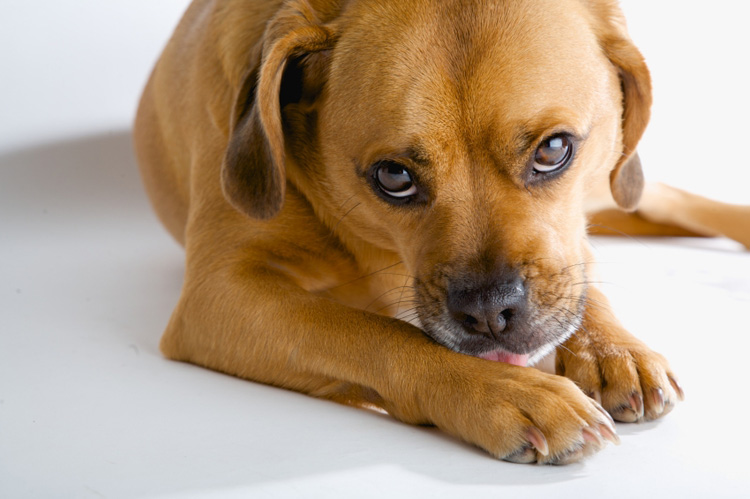
Lick Granuloma
shotbychatty/iStock

When a moist oozing lesion develops on a dog’s skin, most dog owners want to identity the exact cause. If you’ve ever battled a fast spreading hot spot on your dog, you understand they don’t disappear overnight. It’s a battle that can last weeks. Just when a hot spot almost seems to have dried up, dogs either lick and scratch it, which brings you right back to square one. Interestingly, not all hot spots are caused by skin trauma. Many are self-inflicted by your dog and we call these lick granulomas.

What is Lick Granuloma?

Some hot spots are caused by skin irritants, such as flea bites, scrapes and allergens. However, excessive licking or scratching, which breaks skin and causes bacteria to set in, creates hot spots. Determining if your dog has a lick granuloma takes observation and a diary of events.

Many years ago, lick granulomas were considered a bored dog’s disease because it was assumed bored dogs would lick themselves when they had nothing else to do. When bored dogs would rather lick their paws or limbs instead of play with toys or enjoy a food stuffed toy, there has to be more to the story.

Lick Granuloma Causes

When drilled down, most lick granulomas are caused by a dog trying to self-soothe himself. He learns that slowly licking his paws or legs provides a calming effect. Self-soothing licking becomes a major issue when it becomes a habit. This is the first thing your dog does when he’s stressed. Your dog may be worried either because a new dog is added to your household or you’re away on vacation. As a result, your dog begins to soothe himself by licking. Self-soothing is normal. Humans reach for cupcakes or wine when they’ve had a hard day. When self-soothing begins to harm someone, then it becomes a problem.

Excessive licking can most certainly be caused by pain, so it’s important to rule out other causes before assuming it’s behavioral. Some dogs lick because there’s a foreign body trapped under their skin, a nerve has been pinched or they’re experiencing acid reflux.

How to Determine If It’s Behavioral

This is tricky because not all dogs display the same signs. I’ll share my personal dog’s behavior and several other behaviors I’ve witnessed while dogs have licked themselves to self-soothe. You’ll usually notice soft licking right before bedtime or naps. Sobek’s third eyelids will slowly slide up and cover his eyes–almost like he’s going into a trance. If you call your dog’s name while he’s licking, it’s almost like you’ve startled him. Sometimes, it feels good for your dog to lick an itch he’s licked before, so licking becomes a habit.

Keep a log of all your findings, focusing on when and where it happens. Is it after meals, before bedtime or when strangers visit? Does your dog slink away to lick, or does he lick other objects excessively like furniture, flooring and you? If possible, capture video and pictures, as this will further assist in finding the cause.

Lick Granuloma Treatment

If you suspect it’s behavioral, find a veterinarian who is board certified in animal behavior. These folks are vets who have completed a lengthy internship focused on successfully addressing behavioral concerns that cause medical issues.

As an experienced dog trainer, I’ll admit dog trainers are not equipped to manage lick granulomas. It’s completely out of our wheelhouse. Don’t get caught up with someone calling herself an animal behaviorist either. There is no such occupation, school or certificate program verifying someone as an animal behaviorist.

Now, dog trainers can certainly assist you after your veterinary behaviorist consultations. We can help teach your dog other ways to self-soothe himself besides licking. While it’s tempting to skip right to this part and bypass a veterinary consultation, it will take much longer for your dog to respond and that equals more vet visits to doctor up hot spots.

If you need help finding a veterinary behaviorist, I have some great tips and websites here. Do know even if you live in a rural area, your dog can still benefit from a veterinary behaviorist, as most will work with your regular vet. I’ll be brutally honest: it’s worth every penny to find a veterinary behaviorist, as you’re finding a solution now instead of spending hundreds of dollars on temporary fixes by so-called experts.

Until your veterinary behaviorist visit, continue to walk your dog, feed your dog using food puzzles and give calming products a try. Calming music, DAP products and supplements are great ideas. Just make sure your veterinary behaviorist is aware you’re using them. These suggestions won’t address the main issue, but they do provide an outlet for stress. Don’t forget to bring your log, pictures and video along to your consultation. It will help a ton!


Filed Under: Behavior, Health Tagged With: covering dog hot spot, covering dog wound, dog causes sores on legs, dog hot spots, dog licks paws, dog likes legs, dog medical bootie, dog medical sock, dog sock wounds, healing dog hot spots, healing dog wounds, stop dog hot spots

Hot Spots on Dogs: Causes and Treatments

October 12, 2015 by Fanna Easter

Hot Spot Causes and Treatments

Hot Spots on Dogs
Photoraidz/iStock

A hot spot is a pesky skin condition that can pop up on your dog’ skin within hours. These painful lesions can grow quickly–sometimes doubling in size within a day. Having a hot spot can become a vicious circle. The more a dog licks at the painful wound, the worse it gets, which causes further licking. I’ll share a few home remedies I’ve used for many years that can usually dry up most hot spots. If, at any time, hot spots remain the same or worsen, it’s time to schedule a veterinary visit.

What Causes Hot Spots?

Anything that irritates your dog’s skin barrier can cause a hot spot. Flea bites, tiny scrapes or allergies are known culprits, as they allow bacteria to set up shop in your dog’s skin. Usually, these irritations cause your dog to lick the area, which makes things much worse. When a dog’s skin itches, hurts or burns, he’ll most likely react by scratching or licking the area. It’s his way of scratching an itch. Think about when you had chickenpox: it was almost impossible not to scratch, so now you understand your dog’s frustration.

Most dog hot spots look the same. They resemble inflamed ulcers. They are usually hot to the touch and moist and sticky. They either bleed or ooze, and the surrounding skin probably looks swollen due to inflammation. Remember, hot spots are very painful. You’ll probably notice your dog limping if hot spots form on his feet. Plus, hot spots can pop up anywhere. I’ve seen them on rumps, flanks, ears, necks, legs and feet. Basically, all of your dog’s skin is susceptible to hot spots.

How to Prevent Hot Spots

Treat your dog’s area for pests on a regular basis. I highly recommend using cedar oil because it’s safe and natural. If your dog is prone to seasonal allergies, address the issue before it becomes a problem. Your veterinarian can advise you when to begin giving your dog antihistamines to prevent flare-ups, but they work best before pollen counts rise. Keep an eye on any skin abrasions, and make sure they heal completely and your dog leaves them alone.

Home Remedies for Hot Spots

Everyone has her own hot spot home remedy, which works for her dogs. I’ve used these products for years and have had great success. You’ll certainly need to help your dog through the process, as hot spots need to be cleaned three or four times per day, so your vigilance is a huge part of success.

  • Clean the area: Using an antibiotic cleanser made for dogs, gently clean the area. Personally, I use Nolvasan Wound Cleanser, which contains chlorhexidine, which kills bacteria on skin. Remember to be gentle. Hot spots hurt, so use warm water, touch lightly and pat dry. Clean your dog’s hot spot two to three times per day for quicker healing.
    • If your dog’s hot spot is so painful that he refuses to allow handling of the area, it’s best to schedule a veterinary appointment within 24 hours. Some hot spots are excruciating, so your vet may need to sedate your dog to examine and clean the wound.
  • Remove hair: If needed, trim back excess hair to avoid it from sticking in the wound and causing further inflammation. I recommend using clippers or blunt-nosed scissors.
  • Apply topical antibiotics often: Once the area is cleaned and the excess hair is removed, apply a topical antibiotic. By far, I find sprays to be much easier, as ointments keep hot spots too moist and they never really dry up and heal. Usually, I spray Bacitracin on the area and allow it to dry for a few minutes.
  • Pain control: If your dog’s hot spot hurts, he’ll have a hard time ignoring the throbbing area. I rub a small dab of OTC hydrocortisone on the area to reduce the pain and minimize licking or scratching. Never give your dog any type of human pain medications, as they are lethal to dogs.
  • Keep your dog away from the wound: If your dog is allowed to lick or scratch a hot spot, the area will never heal and become much worse. Keeping your dog from licking or scratching the hot spot is by far the hardest part of hot spot treatments. Just spraying the area with a bitter tasting deterrent doesn’t work, and many products contain alcohol, which burns when it touches hot spots.
    • If your dog’s paw is affected, try covering the area with a sock. Secure the sock by wrapping bandages along your dog’s pastern (wrist).
    • Some dogs are persistent, so try using an e-collar, which keeps your dog from licking, pawing or scratching a wound.

WATCH: Teaching Your Dog to Wear a Cone Video

https://youtu.be/ugG4OXTQjBM

Keep hot spots clean and dry, and check them often. You’ll usually notice a huge decrease in oozing, heat and swelling within 12 hours. With persistence, most hot spots dry up and heal within 48 hours.

I highly recommend keeping a sock or e-collar in place until the entire area turns into a scab and completely disappears. So many times, we think a hot spot is healed, but then our dogs lick or scratch the area again, causing a hot spot to reappear quickly.

You may also like: What are Force-Free Veterinary Visits?

Filed Under: Health Tagged With: covering dog hot spot, covering dog wound, dog causes sores on legs, dog hot spots, dog licks paws, dog likes legs, dog medical bootie, dog medical sock, dog sock wounds, healing dog hot spots, healing dog wounds, home remedies hot spots dogs, hot spots dogs, stop dog hot spots, treating hot spots dogs

About

Dog Training Nation is a community of dog trainers, dog owners and dog lovers. Our mission is to provide trainers and owners valuable information to enrich dogs' lives. We cover a range of topics, from socializing puppies to dealing with aggressive dog behavior to selecting the best dog products. It is our hope you share our content to make the dog and owner world a better place.

​

Facebook

Video

Dog Training Nation is a dog training blog for pet owners and dog lovers. We cover a range of topics from puppy socialization tips to dog aggression to dog health. It is our hope you share our content to make the world a better place for dogs.

Dog Training Nation

Quick Links

Dog Training
Dog Behavior
Dog Training Videos
Become a Dog Trainer
About
Contact Us

Copyright © 2026 · Lifestyle Pro Theme on Genesis Framework · WordPress · Log in