Dog Training Nation

In Dogs We Trust

  • Home
  • Training
    • Dogs
    • Puppies
    • Clients
  • Behavior
    • Breeds
  • Health
  • Safety
  • Resources
    • Equipment
    • Books
  • Dog Training Videos
  • About
You are here: Home / Archives for train a dog

How To Stretch Your Dog’s Neck

October 30, 2017 by Fanna Easter

Dog Stretching Exercise for Neck Injuries

Dog Stretching
Nebojsa/Adobe Stock

It’s official: My dog has a muscular neck injury. The last six years of trying to determine the exact cause of my dog’s neck injury has proven to be fruitless. Our veterinarian thinks there are many causes that have resulted in this injury. Stella is a Miniature Bull Terrier; so, when hucklebutting through our home, she does bounce off the walls.

While this issue has festered off and on, it’s gotten much worse lately. She started having daily muscle spasms that sent her hiding under our bed. Even with rest and pain medication, her spasms have continued.

Thankfully, we partnered with our veterinarian and a holistic veterinarian who specializes in chiropractic and acupuncture care to find a cure. Neck stretches are our daily homework now. Our holistic vet was adamant about how to perform these dog stretching exercises, so I’ll share them with you!

First, Ask Your Veterinarian

Dog neck injuries are very serious. Your veterinarian must thoroughly examine your dog before adding neck stretches into her daily routine. Some dogs have slipped discs and nerve damage that will worsen with neck exercises and stretches, so rule out major issues first.

Fortunately, Stella’s neck issue is muscle related. Bi-weekly chiropractic and acupuncture adjustments, coupled with stretches and heat therapy, have been extremely beneficial.

How to Stretch Your Dog’s Neck

Use yummy treats, such as chopped up hot dogs or cheese chunks, and place a large treat chunk about an inch from your dog’s nose.

  1. Slowly move the treat toward your dog’s left shoulder and give her the treat.
  2. Now, grab another treat and lure your dog’s nose toward her right shoulder, then give her the treat.
  3. Place another treat on your dog’s nose and slowly raise the treat up and over her head to extend her neck fully upright, then give her the treat.
  4. Lastly, hold a treat between your dog’s front legs (at her mid-chest), so your dog bows her head downward.

All dogs (and humans) have different ranges of motion, so resist the temptation to overstretch (move head further up, down or over). Refrain from holding or lengthening a stretch for too long, as this will be painful and cause muscle spasms. Once your dog’s head is in place, quickly give her a treat and move onto the next stretch.

How Often You Should Stretch Your Dog

Our chiropractic veterinarian recommended doing dog stretching exercises followed by a warm compress for 15 minutes every day. Usually, we complete neck and shoulder stretches in the evening, so we can get comfy while placing a warm compress across Stella’s neck and shoulders.

Results

Fingers crossed, Stella is doing well! Since starting acupuncture, chiropractic adjustments and stretches, my dog has not had a muscle spasm and is off all pain medicine. (Knock on wood!)
WATCH: Dog Stretching Exercises for Neck Injuries

Filed Under: Health Tagged With: canine stretching exercises, dog health, dog neck stretches, dog stretching, dog stretching neck, dog training, Dog Training Tips, how to teach a dog, how to train a dog, neck exercises for dogs, ROM neck dog, teach a dog, train a dog, using food for dog next stretches

Why I Don’t Walk My Dogs In My Neighborhood

October 25, 2017 by Fanna Easter

Don’t Feel Bad If You Don’t Walk Your Dog

Rude Dogs
Halfpoint/Adobe Stock

This may surprise some pet owners, while others can completely understand, but I refuse to walk my dogs in my neighborhood anymore. As a professional dog trainer, I agree dogs need daily exercise. However, when daily walks become dangerous, it’s time to choose different forms of exercise.

Why I Don’t Do It Anymore

As temperatures cool down, our neighborhood sidewalks are filled with people enjoying the fresh air. Everyone hibernates through the brutal Texas summers, so naturally they will want to shed those extra pounds and exercise their dogs during the fall. The fact that more people are outside isn’t the reason why I don’t walk my dogs anymore. Instead, these are the two major reasons why I stopped bringing my dogs along for walks.

Rude Dogs

Cooler temperatures means more dogs are left outside in backyards unattended. As I walk by a house, these unattended dogs run along fence lines and start barking loudly. Some dogs even bang on windows barking fiercely indoors. These dog behaviors are super annoying and alarming for both my dogs and myself.

I’m forced to navigate sidewalks to avoid rude dog behavior. Plus, seeing rude dogs barking is extremely stressful for my dogs. Think about it this way: Dogs barking and lunging behind fences and windows is equivalent to them screaming, “I’m gonna beat you up fool,” to the passerby dog. Not only is this impolite behavior to other dogs, but it’s downright rude and preventable too. No dog should deal with this nasty dog behavior during a daily walk.

As humans, we understand these dogs are contained, but our dogs don’t understand that. Instead, they feel like they’re walking on eggshells, fearing for their safety. Also, constant exposure to a rude dog while on leash can lead to your dog becoming leash aggressive. Being continuously bombarded with threatening dogs that they can’t run away from may cause them to be threatening back. On the flip side, the dogs doing the barking and lunging from behind the fence learn that their aggressive behavior makes dogs leave, so they in turn become dog aggressive.

Loose Dogs

Today, I encountered two loose dogs within 20 feet of my home. Thankfully, I don’t bring my dogs walking with me any longer, but it still makes me extremely upset when inconsiderate dog owners leave their dogs loose outside. I have a few choice words with owners if they are around. Loose dogs are dangerous and can charge at your dog while walking, which teaches your dog dog aggression. By far, loose dogs make my hackles stand on end.

Neighbors, Contain Your Dogs!

Yes, I’ve screamed this very sentence at the top of my lungs numerous times. Pet owners must contain their dogs! Keep your dogs secured indoors or behind a fence, and never leave a dog unattended outdoors. Additionally, stop allowing dogs to bark and lunge at dogs (or anyone). Crate your window barking dog or keep him in an area with no access to windows. Trust me, while it seems like your dog is just “letting off steam,” your dog is becoming dog aggressive and you can be sued if your dog hurts someone or another dog.

How to Safely Exercise Your Dog

Of course, we all need exercise, including our dogs. Remember, mental stimulation is just as exhausting as physical exercise, so keep your dog’s brain busy. Here are a few options to keep your dog mentally and physically fit:

  • Play fetch daily.
  • Enroll in a weekly group class, such as nose work, agility or fly ball.
  • Provide all meals in food puzzles and stuff in toys.
  • Teach your dog to walk on a treadmill.
  • Toss kibble or treats into your backyard.
  • Play nose work games indoors.
  • Go hiking on private property—with permission, of course.
  • Bring your dog on car rides.

Rethink walking your dog around rude dogs. As pet owners, it’s our job to keep our dogs safe. 

Filed Under: Safety Tagged With: dog safety, dog training, Dog Training Tips, don't walk dog in neighborhood, how to teach a dog, how to train a dog, inconsiderate dog owners, loose dogs on walks, rude dog owners, rude dogs, rude dogs on walks, teach a dog, train a dog, walk your dog

Is Your Dog’s Behavior Improving?

October 23, 2017 by Fanna Easter

Improve Your Dog’s Behavior in 3 Steps

Dog's Behavior
melounix/Adobe Stock

When teaching a dog one or several new behaviors, it can be tricky to gauge if a dog’s behavior has permanently changed. Dog behavior can fluctuate depending on the situation and your dog’s health (hey, he might not feel well that day). Before assuming your dog’s behavior has changed, it’s best to follow these steps to ensure your dog’s behavior improves. These steps will also help you identify where your dog’s behavior fell apart.

Step 1: Dog Readily Offers Learned Behavior

You’ll know when a dog has learned a new behavior when he readily offers it during dog training sessions. As an example, dogs learn how to “sit” pretty quickly, especially when they receive a treat for it. They will usually offer a “sit” behavior because it makes cheese appear. When teaching a new behavior, such as “down,” a dog should offer or can be easily lured into this behavior before you continue to step 2.

Step 2: Dog Responds to Cue

Once a dog offers or can be easily lured into a new behavior, it’s time to give it a “cue.” Putting a behavior on cue is extremely important because that’s how to ask a dog to perform a behavior (stimulus control).

If you would like your dog to “sit and stay” around guests, then these behaviors need a name, so your dog will know what to do when you say it around guests. Once a cue (sit) is paired with a behavior (sitting down), your dog should respond to the cue within a few seconds. Continue to practice until your dog responds within a second after hearing the cue. Rewarding generously will certainly speed up the process.

RELATED: Learn From Dog Training Mistakes

Step 3: Dog Performs Around Distractions

Most dogs can “sit,” “down,” “come” and “stay” at home, but can they perform these behaviors in the front yard or park? This is the most difficult part of improving a dog’s behavior. In fact, this is where most pet owners become frustrated and give up. As a general rule, when training your dog, 90% of teaching a new behavior is practiced around distractions. It’s great when dogs “sit” instantly on cue, but it’s even better when dogs can “sit” instantly when guests come over.

Moving from one step to the next certainly shows improvement, so keep practicing! 

Filed Under: Clients, Training Tagged With: dog behavior, dog behavior improving, dog obedience cues improving, dog trainer, dog training, dog training commands getting better, Dog Training Tips, dog's behavior, how to teach a dog, how to train a dog, is dog training working on my dog, is my dog's behavior improving, professional dog trainer, teach a dog, train a dog, training dogs

Does Your Dog Pull On Leash? Ditch The Leash

August 31, 2017 by Fanna Easter

Dog Training Tips for Strong Pulling Dogs

Stop Dog Pulling on Leash
Marcella Miriello/Adobe Stock

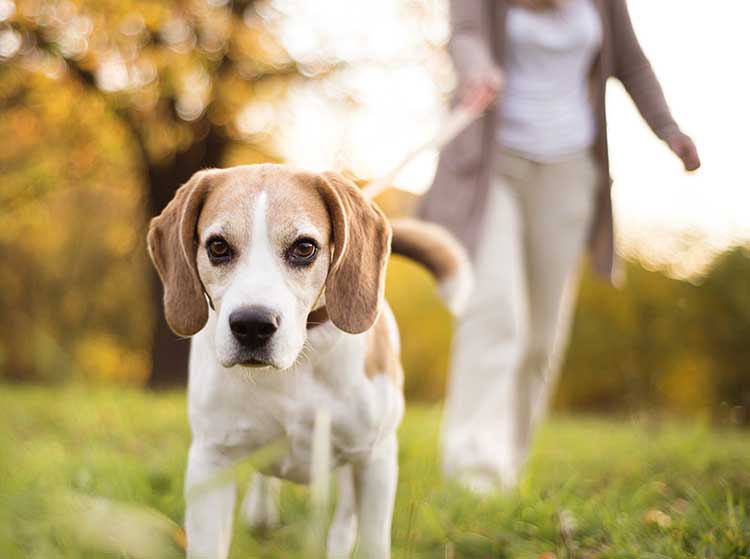
When dogs pull on leash like freight trains, it’s frustrating, exhausting and downright dangerous. It feels like your shoulder is dislocated during and after each walk, and your back muscles scream for mercy. Pulling strongly on leash is painful for dogs too, especially if they’re wearing a collar. While it may not seem painful to your dog, it’s important to note that his neck hurts just as bad as your shoulder. Over time, strong pulling dogs develop permanent shoulder and neck issues and so do their pet owners.

As pet owners, it’s our job to teach our dogs that hanging out with us is more fun than pulling on leash. While it may seem impossible, it’s actually very easy to teach.

If It Hurts, Why Does My Dog Pull on Leash?

Dogs pull on leash because they don’t know what to do instead of pulling. Dogs get excited, so they pull forward and their pet owners follow. This starts a vicious leash pulling cycle, which isn’t safe for anyone. If your dog pulls on leash, it’s important to teach your dog polite leash manners.

Ditch Your Leash

Until your strong pulling dog learns that staying next to you is rewarding, ditch your leash. Strong pulling dogs get really excited when leashes appear, and they immediately pull once the leash is attached. Plus, it’s difficult to manage your pulling dog, provide treats and reward good behavior at the same time. Since you’re ditching the leash, make sure to only practice this behavior in your home first.

Hanging Out With Me is Fun

Grab super yummy treats, such as cheese sticks, and practice in a low distraction area of your home. Practice while children are napping and other dogs are happily licking food stuffed Kongs in another room. Remember, you don’t need a leash for this exercise.

  • Holding treats in your hand, take one step forward and wait for your dog to return to you. Don’t worry, your dog will likely hang out with you because treats are present. This sets you both up for success.
  • When your dog chooses to walk back to you, say “yes” the moment he walks next to your shoes and give him a treat. When handing him an earned treat, drop the treat next to your shoes.
  • Take another step and wait for your dog to stand next to you. If your dog hangs out with you, while you’re taking a step, immediately say “yes” and drop a treat at your feet.
  • Take a step backwards, and reward when he returns or stays with you.
  • Continue one step at a time.
  • Keep dog training sessions short about 1-2 minutes long.

Take More Steps

Once your dog will remain with or return to you 90% of the time, it’s time to take three steps forward. Continue adding one step at a time, and walk around your home. If your dog chooses to hang out with you, while you’re walking around your home, say “yes” and reward often. Practice daily and keep training sessions short.

Time to Add a Leash

Once your strong pulling dog learns that hanging out with you is rewarding, it’s time to add a leash. Some dogs may regress a bit, because their leash is super exciting, so start with one step at a time. Check out this article and video for teaching your dog polite leash manners while wearing a leash. Usually, most strong pulling dogs zoom through this process because they’ve already learned that hanging out with their pet owners makes treats rain from the sky!

Reward this behavior often, and it will stick around!

WATCH: Dog Training Tips for Strong Pulling Dogs

Filed Under: Dogs, Training Tagged With: dog horrible on leash, dog pulling on lead solutions, dog pulls on leash, dog terrible on leash tried everything, dog training, Dog Training Tips, how to teach a dog, how to train a dog, how to train a dog to walk on leash besides you, polite leash manners, stop dog pulling on harness, strong pulling dog leash, teach a dog, teach dog how to walk on leash, train a dog

Help! My Dog Is Afraid Of Walking Through Doorways

August 30, 2017 by Fanna Easter

Dog Training Tips for Dogs Afraid of Doorways

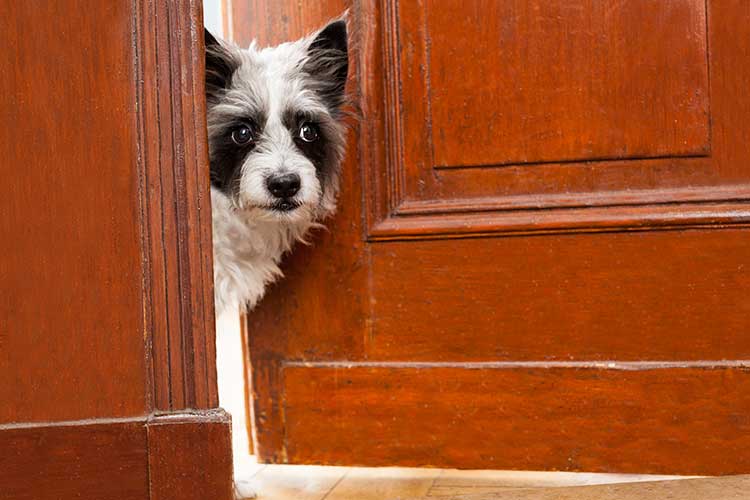
Dog Afraid of Thresholds
javier brosch/Adobe Stock

When approaching narrow spaces, some dogs will suddenly stop and refuse to walk forward while others will run through doorways quickly with their tails tucked and ears pinned back. Either way, both types of dogs are afraid to walk through doorways and it’s essential to positively change their behavior to increase their quality of life.

What Causes This Fear?

As humans, we assume hundreds of reasons why dogs behave a certain way, which is unfair to dogs. Let’s remove our anthropomorphic tendencies and try to understand the cause behind a dog’s fear of walking through thresholds.

Fearfulness is the main cause of your dog’s behavior. We can assume hallway echoes, loud noises, loudly slamming doors and many other reasons are the cause, but fearfulness is the real cause. When dogs are fearful, they may overreact to many things. When fearful dogs are exposed to scary doorways or entrance ways several times, they may develop anxiety. If a dog is punished when he’s scared of a scary situation, his anxiety deepens.

How to Teach Dogs to Love Walking Through Doorways

Regardless of why your dog became afraid of walking through doorways, it’s imperative to teach him to love walking through them. Grab super yummy treats, such as cheese cubes, deli lunch meat or hot dogs, and chop into pea-sized bites. Treats are a dog’s paycheck, so use the yummiest treats possible.

Start teaching your dog this behavior inside your home, using hall and doorways. Even though your dog may not be fearful of walking through indoor entrances, it’s a safe place to start changing your dog’s behavior.

Hold a treat in front of your dog’s nose, and lure him through the doorway. If your dog is too scared, click and treat your dog when he walks close to a doorway. Slowly shape this behavior until your dog will walk through the entrance.

Once your dog is comfortable walking through indoor entrances, leash your dog and practice outside. Walk out the back door and click as your dog walks through. Even if he slinks through the doorway, he’s being brave and choosing to walk through the doorway.

Pairing good things (yummy food) with scary things (entrances) will positively change your dog’s behavior. Think about it this way: If it rains $100 bills while you’re walking through a haunted house, you will learn that haunted houses are not scary. 🙂

What Doesn’t Work

Never force a dog through a doorway; your dog is scared. Back away from the door, regroup by grabbing treats and lure your dog inside. Ideally, you should practice this behavior before he has to walk through scary doorways, such as the vet clinic.

Take 1-2 minutes each day, and make doorways and entrances fun to walk through!

WATCH: Tips For Dogs Afraid To Walk Through Doorways

Filed Under: Behavior, Training Tagged With: anxiety in dogs, dog afraid of threshold, dog afraid to walk through doorways, dog anxiety, dog behavior, dog refuses to walk through threshold, dog scared of door, dog scared of entrances, dog training, dog who is afraid of doorways, dog won't walk through door, how to teach a dog, how to train a dog, how to train a dog to come, teach a dog, train a dog

  • 1
  • 2
  • 3
  • …
  • 17
  • Next Page »

About

Dog Training Nation is a community of dog trainers, dog owners and dog lovers. Our mission is to provide trainers and owners valuable information to enrich dogs' lives. We cover a range of topics, from socializing puppies to dealing with aggressive dog behavior to selecting the best dog products. It is our hope you share our content to make the dog and owner world a better place.

​

Facebook

Video

Dog Training Nation is a dog training blog for pet owners and dog lovers. We cover a range of topics from puppy socialization tips to dog aggression to dog health. It is our hope you share our content to make the world a better place for dogs.

Dog Training Nation

Quick Links

Dog Training
Dog Behavior
Dog Training Videos
Become a Dog Trainer
About
Contact Us

Copyright © 2026 · Lifestyle Pro Theme on Genesis Framework · WordPress · Log in