Dog Training Nation

In Dogs We Trust

  • Home
  • Training
    • Dogs
    • Puppies
    • Clients
  • Behavior
    • Breeds
  • Health
  • Safety
  • Resources
    • Equipment
    • Books
  • Dog Training Videos
  • About
You are here: Home / Archives for train a dog

Help! My Dog Barks Relentlessly At My Neighbor’s Dog

April 20, 2016 by Fanna Easter

How to Stop Your Dog From Barking at Your Neighbor’s Dog
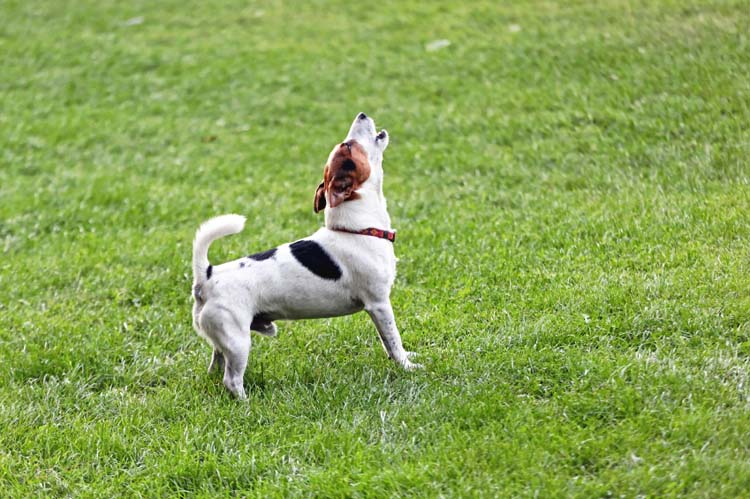
Stop Your Dog From Barking
Baloncici/iStock

When your neighbor’s dog barks relentlessly at your dog, she will probably respond back. It’s like having someone yelling at you through a fence; eventually, you’ll become frustrated and yell back.

However, it doesn’t always have to be this way. Instead, teach your dog to ignore the rude neighbor dog’s barking. I know, you’re probably thinking you’ll have a better chance at seeing a unicorn grazing in your backyard than this working for your dog, but it works quickly and reliably! The only thing you need is a leash, super yummy treats and lots of patience.

Don’t Let Dog Barking Become a Habit

We assume barking is natural dog behavior; dogs should be allowed to speak when they want to. Well, that’s all fun and games until your dog becomes the neighborhood yapper. If dog barking behavior is practiced over and over, it becomes tougher to change.

If your dog has practiced this behavior so much that she immediately runs out and barks at anything and everything, it will take a couple of weeks to change this behavior. While this seems like a long time, think about habits for a moment. When trying to lose weight, it takes time to lose it effectively and permanently. Quick fixes never work in the long run, and weight sneaks back on.

Like all habits, it takes time and due diligence to change a behavior reliably, so it’s always best to prevent. Although I have a few dog training tips that work really well to change behavior too if it has already become a habit.

Prevention

Let’s look at prevention. This is the easiest way to keep unwanted behavior from sneaking up. First, let’s review barking a bit. Barking is a slippery slope. It’s very self-reinforcing, meaning dogs will learn to bark when bored, scared or frustrated. Interestingly, barking becomes a way for a dog to self-soothe herself like humans yelling when stuck in traffic, biting their nails or eating during stressful times.

Prevention means you’re rewarding your dog whenever she ignores your neighbor’s barking behavior. Reward with treats. Usually, I’ll toss super yummy treats away from the fence of the barking dog. This not only rewards my dog, but also teaches her she can move away from the stressful situation.

How to Stop a Dog From Barking

We recently experienced our dog barking at our neighbor’s dog when moving back into the suburbs. During the day, many dogs are left in the backyard while pet owners are at work, which teaches dogs to relentlessly bark at neighbors, dogs or the air just to hear themselves bark. Privacy fences prevent dogs from seeing each other, but dogs can still learn to fence fight, which is a horrible habit. Check out this article for tips on creating a visual barrier.

Bring Your Dog Out on Leash

As an example, I’ll share my story. Our backyard fence is made of cinder block, so dogs were unable to see each other. Stella, my little Bull Terrier is a typical Terrier; she will bark back at other dogs whenever she has a chance. The moment we moved into our new home, our neighbor’s little dog welcomed us with rapid non-stop barking whenever anyone was out in the backyard. The second Stella heard her rude doggie neighbor yelling at her, hackles went up and growling started.

For two weeks, we brought Stella out into the backyard on a retractable leash (the only place retractable leashes should ever be used) and I was armed with lots of yummy treats. Having Stella on leash prevents her from running away, engaging in barking behavior and going over threshold. Once a dog goes over threshold, she is oblivious to treats, yelling and anything else. Basically, never allow your dog to “go there” during dog training. If it happens, you’ve just taken 10 steps backwards. While it’s tempting to give quick leash corrections, it will only make it worse as your dog learns that pain happens whenever that dog barks, so your dog’s behavior will become much worse.

Ask Your Dog to “Touch”

The second I heard our neighbor’s dog start barking, I asked Stella to “touch” my hand and rewarded her generously (3-5 treats in a row). Understand, it’s hard for Stella to ignore a rude dog so close to her, but after a couple of “touches,” her hackles went down and her tail started wagging loosely.

Keeping Stella next to me sets us both up for success. It keeps her under threshold and allows change to happen. By asking Stella to do another behavior (touch) instead of letting her bark, it gives her something else to focus on rather than the barking dog next door. Additionally, it teaches her another way to react to a barking dog instead of barking back.

Our Success

Now, when our neighbor’s dog comes running out barking, Stella either ignores it completely or walks over and touches my hand. Do know, I never take her good behavior for granted, so I randomly reward her good behavior. Many pet owners set themselves and their dogs up for failure the moment they forget to reward good behavior. Always let your dog know she made the right choice.

You can use these same protocols to prevent your dog from barking at your human neighbors too!

Talk To Your Neighbor

This is easily the most difficult part. Start by keeping the conversation light and explain you want to keep the peace between both dogs. With our neighbor, she admitted she didn’t hear her dog bark anymore. She became used to it. I provided a few suggestions, and now she brings her dog indoors the moment she starts barking. You don’t have to be a dog trainer to provide suggestions. Just print these barking tips for your neighbor. Our neighbor was actually grateful.

If Habits Sneak Back In

Habits are tough to break, so expect some slip ups between both barking dogs. Take a few steps back and grab your leash and yummy treats to practice a bit more. Don’t forget to reward good behavior–that’s the key to success when tackling strong habits.

Good luck!

Filed Under: Behavior, Training Tagged With: dog barks, dog barks at neighbor, dog barks at neighbor dog, dog barks at neighbor dog how to stop, dog barks at neighbor dog through fence, dog barks at other dogs, dog behavior, dog training, Dog Training Tips, how to teach a dog, how to train a dog, my dog barks at my neighbors, neighbors dog barks, stop dog barking a neighbor, stop dog from barking at neighbor dog, teach a dog, train a dog

Why Group Dog Training Classes are Worth It

March 25, 2016 by Fanna Easter

Cost of Group Dog Training Classes: Worth the Tiny Investment

Group Dog Training Classes
Pamela Marks/iStock

I’m often asked if the cost of group dog training classes is really worth it. As a dog trainer, and pet owner, it’s worth every penny and actually a tiny investment that provides a huge impact. Allow me to explain a bit further.

What are Group Dog Training Classes?

Group dog training classes are structured for pet owners and their dogs. They’re usually held once a week on a specific day and designated time. Most group classes range between 6-8 weeks; however, many group classes are now 4 weeks with a condensed curriculum. Personally, I teach 4-week classes because most pet owners have a difficult time committing to 6-8 week courses. Keep in mind that just because a group class is shorter, it doesn’t mean you’ll learn less. It’s actually the opposite. Since it’s condensed, you can expect more homework.

Cost of Group Dog Training Classes

With that said, group dog training classes can range between $85-$200, depending on how many weeks are included. Generally, 4-week classes are less expensive because they’re shorter while longer group classes can cost more. Additionally, special focus classes may cost a bit more due to an increased dog trainer skill level, different location or limit on participants.

Now, let’s do a bit of math. If a 4-week class costs $85, that’s $21 per class. That’s pretty cheap considering pet owners and their dogs learn 3-4 new polite behaviors per class. Also, if your dog chews the sofa or a pair of your shoes, it will likely cost way more than $85 to replace or repair it. For 6-8 week classes that cost more, each class averages around  $25 per session.

What You and Your Dog Will Learn

For the popular Adult Manners group classes (for dogs 6 months and older), expect to learn at least 10-12 new polite behaviors, such as sit, down, walking on a loose leash, stay, heel, sit-stay, down-stay, touch, leave it and come when called. Also, pet owners learn how to manage digging, chewing, barking and jumping up behavior plus answers to any questions they’ll likely have at home.

Puppy and Adult Manners group classes provide many distractions (i.e. other dogs, people, sounds, smells and movement) with a skilled dog trainer to navigate you both successfully, which is worth every penny. Remember, dog trainers are teaching pet owners how to teach their dogs polite behaviors, so they’re able to continue progress at home. Additionally, many skills take several weeks to perfect, so pet owners will have plenty of time to practice with the guidance of the dog trainer.

When pet owners claim their dogs already know how to sit, down and walk on a loose leash, can their dogs do all of that around distractions? That’s a huge benefit of signing up for group dog training classes.

Where to Find Group Dog Training Classes

Now you understand the importance of group dog training classes. Find a professional dog trainer in your area by using these resources and websites. Tell your dog trainer I sent you!

Filed Under: Clients, Resources, Training Tagged With: cost of dog training, dog training, dog training class prices, Dog Training Tips, how much does dog training class cost, how much for group dog training classes, how much for puppy classes, how to teach a dog, how to train a dog, is the cost worth it for dog training, teach a dog, train a dog, why take a dog training class

Open Letter to Cesar Millan’s Fans From Dog Trainers

March 22, 2016 by Fanna Easter

Cesar Millan’s Dog Training Methods are Wrong

Cesar Millan Dog Training
Michael Warren/iStock

My goal is not to offend or accuse anyone. I want to have an honest conversation about the latest controversy pertaining to Cesar Millan’s latest TV episode, featuring a known pig-killing dog attacking a pig. I know many Cesar Millan’s fans feel he did nothing wrong and that he saved the dog’s life and the pig recovered, but there’s a bit more to it than that.

As a professional dog trainer, I would like to discuss this topic from what I actually see in the video, which will verify that all is actually not right. Before you become frustrated with my observations, I ask Cesar fans to at least read and understand why so many dog trainers are upset with Cesar Millan.

Be Wary of Edited Footage

TV programs are heavily edited to create a perception for a targeted audience, so small segments are pieced together to only show successful events. Be careful to assume when watching TV footage. Dog trainers notice there are editing gaps in the subject dog’s behavior, but viewers only see a tiny fraction of what is really happening in the dog’s training. Basically, dog trainers know what is happening behind the scenes, which provides a false sense of Cesar’s success at the dog’s expense. That’s why so many of us dog trainers are upset.

All Dog Trainers Save Dog Lives

As dog trainers, our goal is to keep all dogs in their forever homes by teaching them polite manners. About 50% of dog trainers teach reactive (aggressive and fearful) dogs how to navigate through society positively and how to respond differently around triggers. We are just as successful at changing behavior in all aspects as Cesar, but we choose to use positive dog training methods that don’t involve force, pack leadership, alpha status or punishment.

Dog Trainers Are Not Jealous of Cesar

We are most certainly not envious of Cesar’s fame on TV. This is furthest from the truth. Any way to educate the public about the importance of dog training is a huge win! Most dog trainers have an issue with Cesar’s punishment-based dog training methods and not his show. With his TV show’s huge range, Ceasr Millan is teaching pet owners outdated dog training techniques.

The Real Problem

Cesar Millan’s Dog Training Methodology

Our world is full of opinions lately, and everyone has his opinion about what works better than others. Hopefully, I can explain why so many dog trainers are furious with Cesar’s dog training methods. Here it goes!

Many dog trainers feel Cesar’s dog training methods have pushed science-based training methods back into the dark ages. Punishment and force are Cesar’s primary training methods, but they’re no longer necessary since positive reinforcement works quicker and maintains a positive bond between dog and pet owner. Do understand, positive reinforcement training is much more than throwing cookies around. These methods have successfully trained thousands of zoo animals to voluntarily allow blood draws, vet exams, injections, dental exams, nail trims and so much more.

Mistakes Do Happen, But We Must Learn From Them

Oh, mistakes happen. We all make them, but we learn from them and should never allow them to happen again. Many fans claim Cesar had made a mistake, and everyone is fine now. That’s a major misunderstanding, as most dog trainers would never allow that to happen. Our job is to keep everyone safe at all costs. Instead of letting go of the leash, which is basically a safety line for the dog and pig, you can train the dog using barriers or muzzles with better success.

Safety is Vital

Using force or allowing a dog to harm another animal for the sake of dog training is wrong. As dog trainers, we never want to cause harm to any living creature and stand strongly behind this principle.

Back to the Pig

Cesar Millan and his network are claiming the pig recovered well and isn’t suffering from any lasting side effects from the trauma. I would disagree. We all know bullying, either verbally or physically, stays with you for a lifetime. While many people say, “It’s only a pig,” I would say all animals should be treated with respect and should never be subjected to unneeded pain or torture.

Thanks for Listening

So dear fans, I ask you to do more research before assuming one person’s dog training methods work for all dogs. There are newer concepts out there that work quickly and humanely, and promoted by thousands of professionals. Understand, I’m not asking you to choose a side. My goal is to explain my side and the reason successful dog trainers are upset with Cesar’s dog training methods.

Thanks for listening!

Filed Under: Dogs, Training Tagged With: Cesar Millan, cesar millan animal abuse charges, cesar millan dog training, cesar millan puppy training, cesar millan tv show, Cesar millian pig show, dog training, dog training techniques, how to teach a dog, how to train a dog, pack leadership dogs, teach a dog, train a dog

Stop Sharing Outdated Posts About Rescue and Foster Dogs

March 21, 2016 by Fanna Easter

Social Media Etiquette: Sharing is Caring Only If It’s Updated

Social Media Etiquette
DGLimages/iStock

We are flooded with pitiful images of dogs needing to be rescued on social media every day, which can quickly become depressing. With that said, social media has certainly brought awareness to dog rescue and helped many abandoned dogs find their forever homes, but there is a secret social media etiquette on sharing these posts. Check out these social media tips that will make it much easier to narrow down dogs in need while minimizing posts.

Verify a Post is Current Before Sharing

As we’re scrolling through our social media feed, most of us are overcome with sadness when stumbling across a picture of a defenseless dog staring back at us. Immediately, our fingers migrate to the share button, but don’t share yet!

Always verify a post first. Outdated dog rescue and foster dog posts are shared way too often. As an example, at least half of the posts on my social media page are outdated. Before forwarding the post, click on the picture and scan the feedback. Make sure the dog is still available for adoption and the post is current. Too many posts are recycled over and over again for years due to a horrific photo.

Maybe it’s a pet peeve of mine, but sharing outdated posts clogs ups social media feeds and desensitizes people to the faces of dogs truly in need. When someone continuously sees the same tragic photo pop up over a period of time, she eventually learns to ignore it. Then, only the most horrific photos are given attention.

Make sure a post is current and the dog is still up for adoption before sharing with your friends and family.

Add Context Before Sharing

Most people notice the photo, but most will ignore it if details are not readily provided. When sharing posts, add the dog’s location (especially state) and why he or she needs help. Also, note the post is up-to-date and ask others to pass it along.

Please Forward It

So many people choose not to forward posts of dogs in need, which is completely baffling! As an example, my social media page is filled with dog-loving people, yet 1 out of 10 people will share a post of a dog currently in need. This blows my mind!

Please take two seconds of your time to verify a post is updated, add a bit of text and share (even if the dog’s not in your state). You never know who will see it. Every time a rescue dog is shared or tweeted, you’re giving that dog a voice.

YOU MAY ALSO LIKE: Proper Pet Store Etiquette for Dogs

Filed Under: Clients, Resources, Training Tagged With: dog rescue social media, dog training, Dog Training Tips, Facebook dog rescue, helping rescue dogs social media, how to teach a dog, how to train a dog, teach a dog, train a dog, twitter dog rescue

My Dog Steals Food From Children

March 18, 2016 by Fanna Easter

How to Keep Your Dog From Stealing Food

Dog Steals Food
Tuned_In/iStock

Dogs are so smart. They can quickly figure out that children are little dispensers of yummy food, so they stick around. Younger children, especially toddlers, drop food often because they’re learning to use their little fingers; and the family dog is right there to pick up any dropped Cheerios or splatters of baby food. The more a dog practices this behavior, the stronger it becomes until a dog steals food from your child’s fingers.

If your dog steals food from your child, check out these tips to prevent (which is always best) and eliminate this dog behavior. If your dog hovers or stares at your child’s food, it’s time to change this behavior now.

Teach Your Child Not to Feed the Dog

When small children offer food to a dog, we all think it’s absolutely adorable until the dog learns to hover around them while they’re eating. While it’s cute now, this dog behavior will most certainly teach your dog to beg for food whenever your child eats. Remember, giving a dog human food does not teach a dog to beg; it’s offering food from a plate that creates begging behavior.

When your child starts offering your dog her food, it’s time to give your dog something else to do instead of accepting food gifts until your child is old enough to understand she shouldn’t share her meals with the dog yet.

For children over 4 years old, ask them not to give or share any food with their dog. Also, if your dog is in the kitchen, keep an eye on him. Better yet, give your dog something else to do instead of hovering around your child while she eats.

Give Your Dog Something Else to Do During Meal Times

During meal times, offer your dog a food stuffed toy to enjoy inside his crate. This keeps your dog happily busy while everyone enjoys her dinner. Plus, it keeps your dog from hovering around your child while she eats. Remember, it takes just one time for your dog to learn that children drop food on the ground, so your dog will come running the moment he hears the clatter of the high chair.

Now, I understand young children snack often, so fill your dog’s food stuffed toys with portions of his daily ration of dog food. If your dog eats one cup per day, divide this into four food stuffed toys by sprinkling ¼ of it with a bit of canned food or peanut butter and freeze overnight. When your child is sitting down for a snack, toss your dog a food stuffed toy to enjoy instead of waiting around for dropped food. Soon, the sound of an opening freezer door will cause your dog to run into the kitchen.

Punishment Doesn’t Work

You’re probably tired of hearing me say this, but it’s so true. Punishment doesn’t work. Yelling or punishing your dog with leash tugs or time outs will only make the food stealing behavior worse. Basically, punishment teaches your dog not to steal food when you’re around. Plus, punishment will tear you and your dog’s relationship apart; it’s not worth it. Punishment is a slippery slope and often the first thing pet owners employ, but it has major fallouts.

Instead of punishing the dog behavior, prevent it from happening by keeping your dog occupied while your toddler eats meals and snacks. Secondly, teach your child not to share meals with your dog. Lastly, if your dog has already learned to hover around your child during meals, give him something else to do instead. Soon, your dog would rather lick a food stuffed toy than hang out under your child’s high chair. This is the best way to change dog behavior permanently.

Filed Under: Behavior, Clients, Training Tagged With: dog steals food from baby, dog steals food from child, dog steals food from hand, dog steals food from kids, dog steals food from my child, dog steals food kid, dog training, Dog Training Tips, dog watches child eat, how to teach a dog, how to train a dog, teach a dog, train a dog, why dog steals food

  • « Previous Page
  • 1
  • …
  • 4
  • 5
  • 6
  • 7
  • 8
  • …
  • 17
  • Next Page »

About

Dog Training Nation is a community of dog trainers, dog owners and dog lovers. Our mission is to provide trainers and owners valuable information to enrich dogs' lives. We cover a range of topics, from socializing puppies to dealing with aggressive dog behavior to selecting the best dog products. It is our hope you share our content to make the dog and owner world a better place.

​

Facebook

Video

Dog Training Nation is a dog training blog for pet owners and dog lovers. We cover a range of topics from puppy socialization tips to dog aggression to dog health. It is our hope you share our content to make the world a better place for dogs.

Dog Training Nation

Quick Links

Dog Training
Dog Behavior
Dog Training Videos
Become a Dog Trainer
About
Contact Us

Copyright © 2026 · Lifestyle Pro Theme on Genesis Framework · WordPress · Log in