Dog Training Nation

In Dogs We Trust

  • Home
  • Training
    • Dogs
    • Puppies
    • Clients
  • Behavior
    • Breeds
  • Health
  • Safety
  • Resources
    • Equipment
    • Books
  • Dog Training Videos
  • About
You are here: Home / Archives for train a dog

Help! My Family Member is Allergic to Dogs

January 25, 2016 by Fanna Easter

Dog Allergies: Relief for the Family Member Allergic to Dogs

Dog Allergies
Wavebreakmedia/Deposit Photos

Believe it or not, being allergic to dogs is a common reason dogs are dumped at animal shelters. Having allergies myself, I completely understand your commitment to your family member suffering from allergies. However, you made a commitment to your dog before you brought him inside your home. Fortunately, rehoming your dog isn’t the only option you have if someone in your family is allergic to dogs. Below, we discuss ways to keep your family member’s allergies at bay and your dog at home.

How to Keep Pet Allergens Under Control

Many years ago, doctors and immunologists recommended tossing a family dog outdoors or rehoming him, but that’s outdated advice now. Many immunologists have learned that pet allergies can easily be maintained while keeping an allergic family member symptom free.

Bathe Your Dog Frequently

Allergies are caused by pet dander. Your dog’s hair has nothing to do with it. Now, dander can get caught in your dog’s fur, but it’s shedding skin that causes allergic reactions in people.

With that said, bathe your dog weekly with a gentle moisturizing shampoo (here’s my favorite brand). Using a gentle shampoo will ensure your dog’s skin doesn’t dry out due to frequent baths, as most dogs are bathed monthly. When bathing, rinse and rinse your dog again. Shampoo will help lift pet dander off your dog’s skin and coat, but rinsing (and rinsing again) will remove dander out of your dog’s coat.

Keep Your Dog’s Coat Short

Not only is bathing a short-haired dog easier, but it’s also easier to rinse off dander caught on your dog’s fur. If your dog normally has longer hair, trim about an inch off or ask a dog groomer to trim it for you. This way, brushing your dog’s coat weekly is much more manageable. Shorter hair also minimizes the amount of molds and pollens brought inside by your dog.

Just a reminder: there’s no such thing as a hypoallergenic dog. It’s a myth. Check out the real deal here.

Clean Often

With any type of allergies, keeping a clean living space is always a given tip. If someone is allergic to dog dander, she is most likely allergic to mold, dust mites, pollen and so forth. Keep symptoms manageable by vacuuming daily and keeping surfaces free from allergens.

Personally, we removed all the carpet from our home and my allergies have never been better. With carpet, I had frequent asthma flare-ups, which were well controlled by medications. Once the carpet was removed, I weaned myself off several medications because I no longer needed them. And yes, I am allergic to dog dander. 🙂

Purchase a HEPA Filter

HEPA filters are worth every penny. I highly recommend investing in at least two units. Place one in the allergic person’s bedroom and the other in a frequented common room, such as a den or living room.

Filter size depends on square footage, so choose carefully. We purchased two Austin Air filters that work well. They keep dust particles to a minimum, which means less dusting on my part. Austin Air filters are supposed to be changed every three years, but we open the unit yearly and vacuum the front filter surface. Before freaking out at the cost of this filter, let’s do a bit of math first. It’ll cost $260 per year to keep allergens to a minimum in your home, which translates to $22 per month. It’s an investment in the beginning, but it works!

It is possible for your allergic family member to remain symptom-free around your dog. I do it every day. 🙂

Filed Under: Clients, Health, Resources, Training Tagged With: allergic to dog, allergic to dog danger, allergic to pets, allergies to dog tips, allergies to dogs, allergies to puppies, child allergic to dog, dog training, Dog Training Tips, family allergic to dog, how to teach a dog, how to train a dog, teach a dog, train a dog

The Truth About Dog-Friendly Hotels

January 22, 2016 by Fanna Easter

Dog-Friendly Hotels Are Not So Friendly

Dog-Friendly Hotels
PMSirman/iStock

We travel with our dogs a lot–sometimes monthly. Finding a truly dog-friendly hotel that allows our two dogs, especially our Rottweiler, is next to impossible at times. Let’s chat about the truth behind hotels advertising themselves as dog-friendly. Unfortunately, so-called dog-friendly hotels are not that friendly, but I’ve found some easy tips that may help you out.

Small Dogs Only is Subjective

Every time I see this statement, I swear my heartbeat increases to dangerous levels. Once, I assumed (never assume) “small dogs only” meant dogs weighing less than 25 pounds were allowed at a hotel. I casually checked in, signed all paperwork and headed to the car to grab my luggage and dog. As I walked through the lobby with my suitcase and a very friendly Miniature Bull Terrier (that weighs 24 pounds), someone came out from behind the desk screaming. It seems they only allowed dogs under 10 lbs. However, their check-in paperwork and online details never mentioned a weight restriction. Needless to say, Stella and I were forced to leave and drove another two hours until I found a true dog-friendly hotel. That incident still makes me angry.

If no weight restriction is listed, call the front desk before reserving a room with a specific hotel. Note the person’s name you spoke with as well as date and time of the call if this person says the hotel allows “small dogs” more than 10 lbs. This method isn’t foolproof though. The property manager can still refuse your reservation.

Dog Breed Restrictions Vary

Oh, this one makes me beyond angry. Now, don’t assume a hotel is discriminating against certain breeds, such as American Pit Bull Terriers, Rottweilers and Dobermans. Each property manager decides which breeds he finds dangerous and adds them to his list. One time, someone with a very friendly Dalmatian was refused due to breed restrictions. We all know breed discrimination is ridiculous. Don’t give these hotels your hard-earned money. There are better hotels, trust me.

All Dogs Allowed…With a Cost

While this statement sounds glorious, especially if you share your home with large dogs, it’s usually not exactly what it seems. Hotels claiming all “dogs are welcome” charge outrageous pet fees, which can easily average $100-$250 per night during your stay.

When I questioned the front desk about large dog pet fees, they happily explain these funds are spent on steam cleaning and sanitizing the room after you leave. OK, my dogs are clean and potty trained, so I’m not entirely sure why this excessive cleaning needs to happen. When I further ask about their rates, most hotels claim it keeps allergens down for dog-sensitive guests. Whatever!

What Should You Do?

A Truly Dog-Friendly Hotel

From my experience, there’s only one hotel chain that is truly dog-friendly and that’s La Quinta hotels. Keep in mind many of their hotels are old and run-down, and it can be a bit scary staying overnight in a creepy room because you have nowhere else to go. Thankfully, many La Quinta hotels are in the process of remodeling their properties, so you feel safe.

Don’t get me wrong, La Quinta still charges a pet fee, but it’s usually $25 for your entire stay. This $25 pet fee covers two dogs too, but always check their website or call ahead for the limit on dogs per rooms.

Be Responsible, It Helps All Pet Owners

While staying at dog-friendly hotels, make sure your dog remains quiet (no barking or whining) and keep her on leash when outside of your room. Bring large sheets and cover the hotel bed to keep dog hair to a minimum. Basically, please be a responsible dog owner. 🙂 And always pick up after your dog. This means poop too!

READ NEXT: 4 Tips for Traveling With Dogs

Filed Under: Clients, Resources, Training Tagged With: dog friendly hotels, dog training, Dog Training Tips, finding dog friendly hotels, how to find a pet friendly hotel, how to teach a dog, how to train a dog, pet friendly hotel tips, teach a dog, train a dog, truth about dog friendly hotels

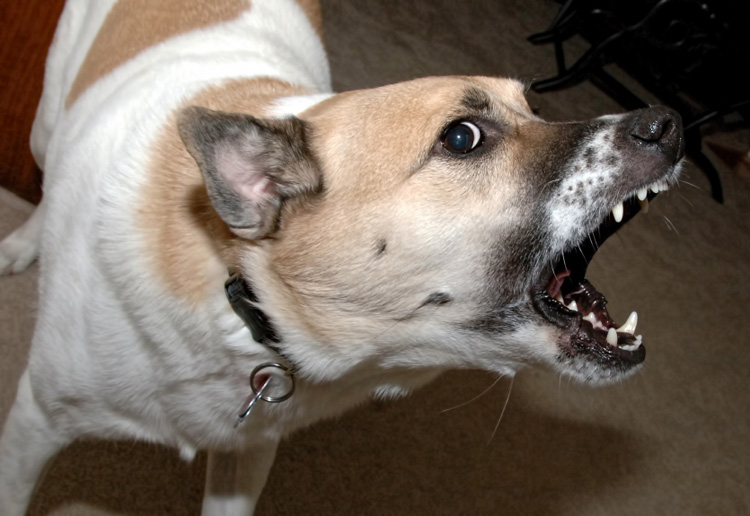
Causes of Dog Aggression

January 20, 2016 by Fanna Easter

Dog Aggression: What Are Triggers?

Dog Aggression
Eldad Carin/iStock

If your dog is fearful or aggressive toward anything, it’s extremely important to understand the object that triggers your dog’s reaction. You need to determine the small triggers that cause your dog to react and pair those dog aggression triggers with good things. Sound tricky? It most certainly can be, so I highly advise finding a professional dog trainer with lots of reactive dog experience.

What are Triggers?

Triggers are anything in your dog’s environment that cause your dog to react. Triggers are usually a sight, sound, smell or a combination of all three. Reacting means your dog reacts negatively toward a trigger; he either freezes, lunges, barks, backs away or starts fooling around (i.e. sniffing the group excessively, biting the leash, etc.).

Examples of triggers for most dogs:

  • Jingling of dog ID tags (indicating another dog is close by).
  • Barking dog (indicating another dog is close by).
  • Sight of a dog from a distance.
  • Smell of a dog (this one is hard for us to identify).
  • Person running behind or past during walks.
  • Fast-moving cars zooming past.
  • Approaching person.
  • Plastic bag floating through the wind.
  • New object (trash can, sign, new furniture) appears.
  • Bearded man walking with an umbrella.

Basically, triggers can be anything.

How to Identify Your Dog’s Triggers

If your dog has been reactive for some time, you probably have a pretty good idea what causes him to negatively react. However, it’s important to narrow down the trigger that sends your dog into a barking frenzy.

Many times, pet owners describe their dogs’ trigger as “seeing another dog,” but you need to narrow this down even further. How far away is the other dog before your dog reacts? Some dogs will look at other dogs calmly about 50 feet away, but when the other dogs move closer, the dog starts reacting. In this case, the specific distance between the dog and other dogs is the trigger.

Many times, reactive dogs react to sounds. Reactive dogs will freak out over the sound of jingling ID tags, four feet scampering in the distance or dogs barking. These sounds alert reactive dogs that a dog is nearby, so they better get ready to fight or flee.

Power of Triggers

Once your dog’s triggers have been identified, it’s time to start building positive associations with them. Super yummy treats should be given the moment your dog experiences a trigger, but of course always from a safe distance. If your dog reacts around other dogs or people, never allow your dog to meet them ever.

If your dog alerts or barks at jingling ID tags, then give him a treat as you’re jingling his tags. If it’s the ID tags of other dogs, borrow your neighbor’s dog’s tags. Remember, treats should be given the moment you start jingling ID tags.

For dog barking triggers, give your dog several yummy treats while a dog barks far away in the distance. Start with very far-away barks, then slowly work toward dogs barking down the street, next door and so on.

Get Help

So many pet owners try to manage dog reactivity, including dog aggression, on their own. I know you don’t want to hear this, but I’m being totally honest, you won’t get great results unless you seek professional help. As someone who works with reactive dogs for a living, I still need someone to confirm certain triggers; it’s impossible to narrow them down by myself.

Please find a dog training professional who only uses positive reinforcement methods. Punishment never works with anxiety or aggression; it’ll just make it much worse. If you’re afraid of heights and I scream and slap at you while you’re standing on the roof of a tall building, I don’t think that would help your fear. You would probably snap back at me, so please never use punishment-based methods.

Good luck and set yourself up for success by finding a professional.

Filed Under: Behavior, Dogs, Training Tagged With: dog aggression, dog aggression triggers, dog hates other dogs, dog training, Dog Training Tips, getting help dog aggression, helping an aggressive dog, how to teach a dog, how to train a dog, teach a dog, train a dog, triggers dog

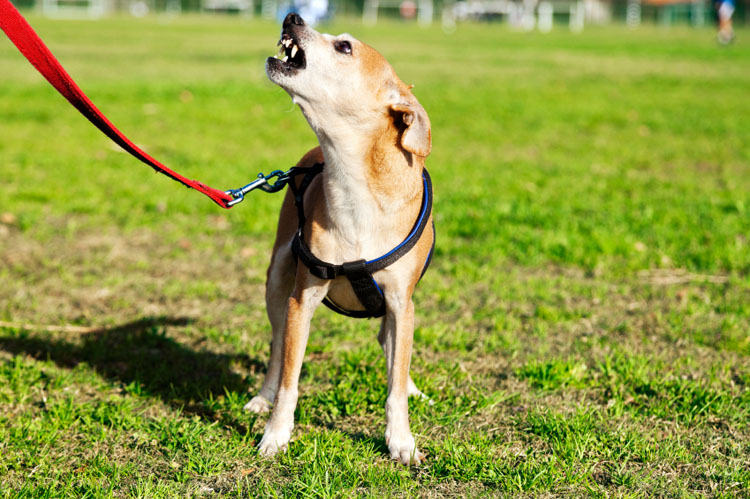
Reactive Dog Classes for Aggressive Dogs

January 18, 2016 by Fanna Easter

Dog Aggression: Reactive Dog Classes Can Help

Reactive Dog Class
mj0007/iStock

If you share your home with a dog that freaks out around other dogs or people, you’ve probably been refused or kicked out of regular group dog training classes. Luckily, there’s a new class emerging called reactive dog class that focuses on teaching aggressive dogs different skills in a group class setting.

Now, it’s not like a traditional dog training class, but the results are amazing. I’m lucky to teach these types of classes for the local veterinary behaviorist in my area, but not all dog aggression classes are alike. Here are a few tips on finding the right reactive dog class to reduce your dog’s aggression while teaching him new behaviors.

What are Reactive Dog Classes?

In the dog training world, we actually say “reactive dog classes” instead of “dog aggression classes,” as aggression is a symptom of anxiety and we all know anxiety makes you (and dogs) reactive. Knowing this, your dog training instructor will work within each dog’s threshold (the line before a dog freaks out) to slowly introduce positive associations with other dogs and teach new polite behaviors.

From a Dog’s Perspective

During reactive dog classes, dogs will learn how to behave properly rather than freak out, bark, lunge or freeze. You’re probably thinking this class won’t help your dog if other reactive dogs are attending, but these classes are purposely kept small (no more than five students and their dogs) and everyone stands behind visual barriers. Trust me, your dog will know other dogs are there. Since the sound or sight of other dogs are triggers for reactive dogs, keeping everyone safely tucked behind barriers works really well.

Dogs are slowly taught self-control exercises (e.g. control their behavior for a treat), relaxation methods (something most reactive dogs find extremely difficult) and positive associations with their triggers (e.g. sight of another dog or the sound of ID tags jingling). Each dog has his or her own set of triggers, which an excellent dog trainer can identify to ensure counter conditioning and desensitization works.

RELATED: 11 Common Questions Dog Trainers Are Asked

From a Pet Owner’s Perspective

Believe it or not, how you react around your dog’s triggers can either help or hurt your dog. Yes, you’re a valuable part of the team. In reactive dog classes, you’ll learn how to handle stressful situations before they happen, manage an encounter with your dog’s trigger (e.g. another dog approaching) and relax. Most reactive dog pet owners tense up. They’re terrified something will set their dogs off, so they walk around in a complete state of anxiety.

How to Find Reactive Dog Classes

Not all dog trainers can teach reactive dog classes or work with aggressive dogs. Even those calling themselves animal behaviorists (FYI there’s no such thing) aren’t equipped to work with dog reactivity. So finding an excellent reactive dog class can be challenging.

My advice is to find a local veterinary behaviorist and give her a call. These folks are veterinarians who are board-certified in animal behavior and know qualified reactive dog trainers within their surrounding states. They can most certainly point you in the right direction. It’s worth the extra effort because asking around or calling local dog trainers about reactive dog classes is extremely risky. If a dog trainer is in over her head, she can certainly make your dog much worse.

Secondly, reactive dog trainers never use punishment-based methods ever. This means dogs don’t wear choke chains, pinch collars or electronic collars. There’s no yelling, pushing or pulling a dog around. Punishment will only make a dog more anxious, as studies have proved it time and time again. Also, would you overcome your fear of driving over bridges if I yelled at you? Nope, you’ll just end up yelling back at me, which increases your anxiety. Ask your reactive dog trainer what methods she uses before enrolling.

What to Expect When You Enroll

These classes fill up quickly, so don’t be surprised if there’s a waiting list. Once you’re enrolled, you’ll probably receive specific directions on entering and exiting the training center about a week before your scheduled class. Dogs should never be allowed to see or bump into each other. Lastly, you’ll probably need some special equipment to keep you, your dog and other dogs safe if a dog should lunge. Don’t forget to bring lots of super yummy treats (100-150 pea-sized treats should be enough for one class).

If, at any time, you’re not comfortable, always inform your instructor. Sometimes, my students are so scared (they’re just as traumatized as their dogs) that we break a few exercises into smaller pieces. I do this because I know how difficult it is to learn when you’re anxious.

During reactive dog class, remember to take deep breaths. It will relax you and your dog!

READ NEXT: Resources for Dealing With Reactive Dogs

Filed Under: Behavior, Clients, Training Tagged With: class that help dog aggression, dog aggression classes, dog aggression tips, dog aggression to other dogs, dog hates other dogs, dog to dog aggression, dog training, Dog Training Tips, handling dog aggression, help for dog aggression, how to teach a dog, how to train a dog, managing dog aggression, reactive dog classes, teach a dog, train a dog

Dog Breed of the Week: Standard Poodle

December 16, 2015 by Fanna Easter

Standard Poodle Breed Information

Standard Poodle
Ryhor Bruyeu/iStock

Poodles are popular. You probably see tiny, medium and large Poodles everywhere. Today, let’s discuss the less common Standard Poodle, which is the largest variety of Poodles. Standard Poodles are part of the AKC non-sporting group with their original function being water retrieving dogs and their current day function being a companion. This dog breed is versatile, can easily be trained as military and guide dogs, and is wicked smart too!

Standard Poodle Temperament

General Characteristics

The Standard Poodle stands 15’’ at the shoulder (on average) and weighs between 45 and 65 pounds with a lifespan of anywhere between 10 to 13 years. Don’t let their good looks and flashy haircuts fool you though. They’re extremely smart and full of zest, so they’re not all business. Standard Poodles are usually very friendly with dogs and people alike. They’re also tolerant, making them good with children so long as they were socialized positively as puppies and adults.

Standard Poodle Grooming Needs

Yup, you guessed it, Standard Poodles require a lot of grooming. Poodles don’t shed like most dogs. Their loose hair gets caught in their curly hair, which causes matting really quickly. To minimize grooming your Standard Poodle, ask  the professional dog groomer to give your dog a pet clip. Pet clip haircuts are stylish, yet shorter than most Standard Poodle clips, and only require maintenance every four to six weeks. You should still thoroughly brush your dog every couple of days or she’ll mat like mad.

They need weekly nail trims (or nail grinding) to prevent overgrown nails, which can be painful and break. Also, make sure to brush your Standard Poodle’s teeth every day. This will keep yearly veterinary dentals at bay.

RELATED: How to Train Your Dog to Play Fetch

Standard Poodle Training & Exercise

Standard Poodles require daily mental and physical stimulus. You can provide this by practicing polite behavior cues in short sessions, playing fetch (they’re amazing retrievers!), taking them on daily walks and joining a water sport. Not only are they smart, but they’re also extremely agile. This means they can excel in agility, competition obedience, rally obedience, nosework, tracking, dock diving, field trail (hunting and retrieving) and any other dog sport out there. Again, don’t let all their fabulous hair fool you. Standard Poodles are serious workers that love jobs!

With any dog breed, you have pros and cons, so it’s important to ensure the Standard Poodle’s characteristics and needs meet your lifestyle. If you’re interested in adding a Standard Poodle to your family, I encourage you to visit Standard Poodle Club of America for additional information on finding a responsible dog breeder or rescue in your area.

Filed Under: Breeds, Dogs, Large, Training Tagged With: dog training, Dog Training Tips, how to teach a dog, how to train a dog, standard poodle, standard poodle puppies, standard poodle rescue, standard poodle training, teach a dog, train a dog

  • « Previous Page
  • 1
  • …
  • 6
  • 7
  • 8
  • 9
  • 10
  • …
  • 17
  • Next Page »

About

Dog Training Nation is a community of dog trainers, dog owners and dog lovers. Our mission is to provide trainers and owners valuable information to enrich dogs' lives. We cover a range of topics, from socializing puppies to dealing with aggressive dog behavior to selecting the best dog products. It is our hope you share our content to make the dog and owner world a better place.

​

Facebook

Video

Dog Training Nation is a dog training blog for pet owners and dog lovers. We cover a range of topics from puppy socialization tips to dog aggression to dog health. It is our hope you share our content to make the world a better place for dogs.

Dog Training Nation

Quick Links

Dog Training
Dog Behavior
Dog Training Videos
Become a Dog Trainer
About
Contact Us

Copyright © 2026 · Lifestyle Pro Theme on Genesis Framework · WordPress · Log in