Dog Training Nation

In Dogs We Trust

  • Home
  • Training
    • Dogs
    • Puppies
    • Clients
  • Behavior
    • Breeds
  • Health
  • Safety
  • Resources
    • Equipment
    • Books
  • Dog Training Videos
  • About
You are here: Home / Archives for training a dog

How To Teach Your Dog Cavaletti

November 1, 2017 by Fanna Easter

Cavaletti for Dogs

Cavaletti for Dogs
ARochau/Adobe Stock

Cavaletti training teaches dogs to walk over poles and different surfaces placed on the ground. It is a form of exercise that focuses on slow controlled movements. As a dog approaches and steps over each pole, she must lift up each leg carefully to prevent stepping on or bumping the pole. While this seems easy, it’s really challenging, especially when dogs have altered their gait due to injury.

Benefits of Cavaletti for Dogs

During a cavaletti exercise, dogs relearn how to maintain their balance as they carefully place one paw down over a pole while raising their other paw up. Cavaletti increases a dog’s range of motion and teaches her to put equal amount of weight on each limb.

Cavaletti courses are fun exercises for all dogs even for those without injuries. It’s a great way to build a dog’s confidence, lengthen her stride, and keep her fit both mentally and physically. Plus, you can place cavaletti equipment anywhere.

RELATED: Barn Hunt: The Nose Sport Your Dog Needs to Try

How to Set Up a Cavaletti Course

On a non-skid surface, place cavaletti poles horizontally and flat on the ground. For large dogs, place poles 3 feet apart and, for smaller dogs, 1-2 feet apart.

Lure your dog over each pole slowly with a yummy treat. If your dog hops or jumps over the poles, you’re moving too quickly. Sometimes, dogs get a bit nervous when poles roll around under their feet, so secure them by stepping on a pole as your dog crosses over it. Bumping and tapping poles are normal at first. After some practice, your dog will precisely pick up and place her feet between each pole! If your dog becomes super excited around treats, practice loose leash walking across poles first. Remember, slow controlled movements are key.

Making It More Difficult

Slow controlled movement builds muscle and teaches dogs how to balance around obstacles. Once your dog learns to carefully step over each pole, move the poles closer together. Now, she will have to step over several poles at one time, which is extremely challenging, so move slowly. For larger dogs, slightly increase the height of poles, so they must pick up each leg.

Has your dog tried cavaletti yet? Post your pictures below!
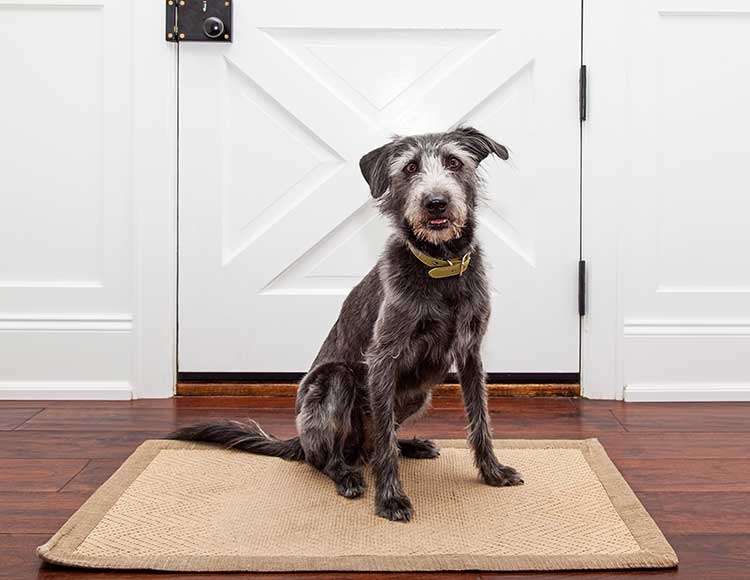
WATCH: How To Teach Your Dog Cavaletti

Filed Under: Games, Resources Tagged With: cavaletti for dogs, cavaletti jumps for dogs, cavaletti poles, DIY dog cavaletti, dog agility cavaletti, dog behavior, dog cavaletti, dog sports, dog training, Dog Training Tips, how to make cavalettis, how to teach a dog, how to teach cavaletti, how to train a dog, teaching a dog, training a dog

Does Permission-Based Dog Training Work?

April 26, 2017 by Fanna Easter

A Look Into Permission-Based Dog Training

Permission-Based Dog Training
adogslifephoto/Adobe Stock

While researching scientific data to support another article, somehow I bumped into a dog trainer claiming that permission-based dog training works. As a professional dog trainer, I base my dog training methods on scientific research, which promotes force-free training methods.

Do know, I’ve been around the dog training block for two decades, and I’ve seen dog training fads and concepts come and go. In other words, I certainly have an opinion on this type of dog training. 🙂 Let’s explore the concept of permission-based dog training together.

What is Permission-Based Dog Training?

Permission-based dog training is marketing verbiage for promoting dominance-based dog training. Training a dog based on dominance involves verbal and physical corrections that promote permissive dog behavior. In a nutshell, a dog must ask for permission to eat, walk through a door, go outside, take a treat, bark, climb onto furniture or even urinate. That sounds like ego dog training to me.

Permission basically means a dog must be verbally released and perform a behavior (e.g. sit) or look at the pet owner before doing anything. This concept takes self-control exercises to an entirely different level. It creates dependence on humans. Teaching dogs self-control is important, but adding a layer of strong human dependence is wrong.

Does Permission-Based Dog Training Work?

No, permission-based dog training doesn’t work. Teaching dogs to rely on humans for “important” decisions molds a living being into a robot. Don’t get me wrong, dogs should learn polite manners, but training a dog to focus on his or her pet owner only is overkill.

Dogs are completely capable of learning how to behave politely in situations, and don’t need pet owners telling them what to do next. Teach a dog how to react, and then reinforce it when he or she chooses to respond politely. This is learning.

Take this example. A pet owner has a human aggressive dog. Permission-based dog training would entail the pet owner teaching his dog an “ignore” cue, which would signal to the dog to stop growling, barking or lunging at a person.

While it’s empowering to “call off a dog,” teaching this cue won’t benefit the dog. A better solution would be to teach the dog to ignore humans regardless of whoever is standing by. Even better would be to teach a dog that humans make treats appear and then the dog learns that good things happen around humans. (If you’re thinking this is bribery, it’s not. It’s counter conditioning and based on scientific data.)

[perfectpullquote align=”full” cite=”” link=”” color=”” class=”” size=””]Teaching human dependence is a disservice to dogs. [/perfectpullquote]

Does It Teach Self-Control?

Permission-based dog training probably started off with self-control exercises in mind, but then took a slight detour. Dogs (and humans) must learn self-control; they should learn how to politely behave within their environment.

Teaching a dog to rely on humans for permission or answers is when teaching dogs self-control took a detour. Dogs are fully able to make good choices, especially when they’re rewarded for them. Teaching human dependence is a disservice to dogs. Instead, train your dog how to react politely regardless of the situation. In human terms, it’s like teaching a teenager to say no to drugs in all situations. Empower your dog to make good decisions in all situations and not just when you’re present.

Training a dog how to react politely in a situation, without human reliance, is powerful. 

Filed Under: Behavior, Dogs, Training Tagged With: dog training, Dog Training Tips, how to teach a dog, how to train a dog, permission based dog training, teaching a dog, training a dog

Dog Training And Human Ego: Not A Good Mix

February 20, 2017 by Fanna Easter

Leave Your Ego Behind During Dog Training

Dog Training
santypan/Adobe Stock

As humans, we try our best to stay out of our own way, but it’s so hard. While humans are extraordinarily complex, we overthink situations and our ego gets in the way. Human egos will certainly derail dog training, which ultimately hold back a dog’s progress. Here’s how to check your ego at the door when training your dog.

How to Not Let Your Ego Get in the Way

Give Your Dog Space

Learning happens best when humans aren’t around. When dogs learn, humans want to be a part of it, which is a good thing. However, it’s better when dogs learn how to make good choices on their own without help from their pet owners. Sometimes, humans just get in the way, unfortunately.

Think about changing behavior this way: It’s better for a dog to choose how to positively react and be rewarded than having someone tell him what to do instead. It’s like cutting out the middleman—a dog learns how to behave politely when no one else is around. Now, that’s freedom for a dog!

Cater to Your Dog’s Personality

Every dog is an individual, and learns on his or her own time. Assuming Labrador Retrievers learn quicker than Basset Hounds is false. I know some Basset Hounds that fly through agility courses. Some dogs punch in and work fiercely while others prefer frequent breaks. Each dog personality has its pluses and minuses, so it’s important for pet owners to understand their dogs’ learning style and adapt to it. Take your time; there’s no hurry.

Laugh and Let It Go

Oh, this is a big one! Dogs aren’t pre-programmed machines, so they make hilarious choices sometimes. Instead of frowning with embarrassment, laugh it off! Every pet owner has been in your shoes, including dog trainers. Once, I had a male Rottweiler urinate on my leg while presenting to a large group of fellow dog trainers. Consumed with teaching, I didn’t notice it until my sock felt warm. Everyone giggled and I laughed until I almost urinated myself. Mistakes happen. It’s a valuable part of the learning process. Don’t sweat the small stuff; laugh it off and move on.

[perfectpullquote align=”right” cite=”” link=”” color=”” class=”” size=””]Dogs aren’t plotting against you.[/perfectpullquote]

Stop the Blame Game

Learning is difficult, yet necessary. Mistakes are part of the learning process. When challenges pop up, and they will, take a break and reevaluate the situation. Assuming your dog is stubborn when things become difficult won’t help the situation. When this happens, the pet owner is playing the blame game.

Dogs aren’t plotting against you. They’re simply doing what works for them, or they don’t know what else to do in that situation. Before teaching your dog a new behavior, decide what you want him to do instead, so your dog training plan is super clear. When a learner (dog) is stuck, it’s up to the teacher (pet owner) to figure out how to solve the issue.

Pet owners will become frustrated when training dogs. It’s that ego again. The moment frustration bubbles up, or your dog becomes confused, take a break and reevaluate the entire situation. 

UP NEXT: 7 Tips on Being a Responsible Dog Owner

Filed Under: Clients, Training Tagged With: dog training, Dog Training Tips, help for dog training, how to teach a dog, how to train a dog, human ego dog training, my dog is stubborn, my dog won't listen, teaching your dog, tips for owner dog training, training a dog

How To Keep Multiple Dogs Calm When The Doorbell Rings

February 3, 2017 by Fanna Easter

Training Multiple Dogs to Stop Excessive Barking

Stop Excessive Barking
Stieber/iStock

A new client with three small dogs recently contacted me about excessive dog barking. She explained how her three dogs would bark insanely whenever someone rang the doorbell or knocked on the door. She’d get extremely frustrated and embarrassed when guests came over, and she just wanted her dogs calm when the doorbell rings.

When I arrived and rang the doorbell, I’m sure her neighbors three blocks away heard these dogs barking. We quickly went to work during our private consultation, and we taught each dog how to keep calm when the doorbell rings or someone knocks. Even better, my client learned how to reinforce quiet behavior.

Changing the behavior of multiple dogs may seem daunting, but it’s actually quite simple when following a few dog training tips. During our private consultation, it took 10 minutes to teach three small dogs to bark only once when the doorbell rang, and this included breaks. My client seems to be having tremendous success as well. 🙂

How to Train Multiple Dogs to Stop Barking

Choose High Value Rewards

When training multiple dogs, it’s best to use super yummy rewards. Remember, treats are a dog’s currency; it’s how he’s paid for doing a good job. Dogs love baked chicken, cheese chunks or diced up hot dogs, which can be found at any grocery store. Before a dog training session, chop treats into pea-sized bites and place inside a plastic zip bag for easy access.

Teach One Dog at a Time

It’s easiest to train one dog at a time, and then slowly add another dog into the mix. When choosing your first dog to teach, select the barkiest dog of the bunch. Usually, one dog starts the barking session and gets the others riled up—choose this feisty little one.

It’s important to focus on the barkiest dog first because it sets the other dogs up for success. Keep the other dogs in your bedroom with the door closed. If they bark while you’re training the first dog, know that it’s OK and it won’t affect their training later.

Teach Self-Control First

Grab your diced up dog training treats and get started. While standing, reward your dog for keeping all four feet on the floor or for sitting. You don’t need to cue your dog; just wait for it to happen. Reward your dog every time he chooses to stand or sit, so he quickly learns that this behavior makes hot dog pieces rain from the sky.

If your dog remains sitting and standing, which is the goal, toss his earned treat about 2-3 feet away from him. This way, he must stand up and walk away to get his earned treat. When this happens, wait for him to sit or stand next to you again, then reward. Trust me, once your dog figures out that “four feet on the floor” makes hot dogs rain from your hands, he’ll happily stand for you.

Rewarding a dog for sitting or standing teaches him self-control, rewards him for quiet behavior and teaches him how to earn treats. Once your dog can stand or sit for a few seconds, it’s time to focus on the ringing doorbell.

Have Someone Ring the Doorbell

Ask a friend to step outside and ring the doorbell. Usually, a very barky dog will bark a couple of times, then suddenly remember that standing or sitting quietly makes treats appear. The moment your dog stops barking, say “yes” and reward him by tossing a treat by your feet. Continue having your friend ring the doorbell a few more times and reward your quiet dog.

Tossing food next to your feet teaches your dog to stay or return back to you, which prevents him from running up to the front door. If your dog continues to bark, say his name, which will likely cause him to stop barking. When this happens, say “yes” and reward. Take a short break before introducing the second dog.

Now, Train Two Dogs

Once your first dog learns to bark once or twice at the doorbell, then sits or stands quietly, it’s time to introduce your second dog. Walk over and let the second dog out for a dog training session. Usually, the second dog will come running down the hallway, because she’s excited to participate in the fun.

Reward both dogs for sitting or standing still next to you. When giving out treats, prevent your dogs from fighting over treats by extending your hand out and placing the treat in the dog’s mouth that earned it. Then, reward the dog that offers the sit or stand behavior first, and wait for the other dog to figure it out.

When training two dogs together, it’s amazing how fast the second dog learns when watching the first dog. Once both dogs will stand or sit next to you for a few minutes, it’s time to practice with the doorbell.

Ask a friend to step outside and ring the doorbell again. As the doorbell rings, your second dog will likely look over at the first dog, bark a couple of times, then choose to stop barking just like your first dog. When this happens, reward both dogs for being quiet. Continue to practice and reward both dogs for choosing to remain quiet. After 1-2 minutes, take a short break before adding the last dog into the dog training session.

Train All Three Dogs

Now that two dogs have learned to stand or sit quietly when the doorbell rings, your last dog will quickly pick up this dog behavior. Ask a friend to step outside again and ring the doorbell. The moment each dog chooses to be quiet, say “yes” and reward. Practice a few more times, then end the session.

Practice Several Times Per Week

In the beginning, practice 1-2 minutes per day. During the first week, you’ll notice a huge decrease in dogs barking at the doorbell. After the first week, keep practicing 3-4 times per week with dog training sessions lasting 1-2 minutes. Use high value treats or bits of your dog’s kibble during mealtime. Practice reminds each dog how to keep calm when the doorbell rings regardless if it’s visiting guests or the FedEx guy.

Soon, you’ll happily show off your dogs’ polite doorbell skills to guests. 🙂

Filed Under: Clients, Dogs, Training Tagged With: dog barks at doorbell, dog training, Dog Training Tips, dogs barking at door, how to stop dog barking at doorbell, how to teach a dog, how to train a dog, multiple dogs bark at doorbell, stops dogs from barking at doorbell, teaching a dog, training a dog

Easy Impulse Control Exercises To Teach Dogs Self-Control

January 23, 2017 by Fanna Easter

Self-Control Games For Dogs That Work

Self-Control Games for Dogs
supercat67/iStock

Controlling your behavior in certain situations is tough, so it’s easy to sympathize with dogs. Many dogs struggle to behave calmly in exciting situations because they haven’t been taught what to do. As pet owners, it’s our responsibility to teach dogs self-control at an early age. Never punish a dog for getting excited, knocking over furniture, jumping up on people or stealing food from your hand. Train your dog what to do instead. These fun and quick self-control games teach dogs to control their impulsive behavior to earn rewards.

What You’ll Need

You’ll need lots of pea-sized high value treats (i.e. chopped up hot dogs, cheese chunks), a dog training clicker (or verbal marker “yes”) and your dog. Each dog training session should last 1-2 minutes, so set a kitchen timer. Give your dog a break in between sessions, and practice again for 1-2 minutes. Practice once or twice a day for best results.

Self-Control Games for Dogs

Each impulse control exercise teaches your dog how to control her behavior to earn a reward. Basically, you’re teaching your dog that doing this, instead of that, will make a treat appear.

1. Touch

Many dogs get excited and nip or mouth hands, especially if hands are moving away really fast. During a game of “touch,” dogs learn to calmly and lightly touch their noses toward the palm of your hand rather than touching your hand with their teeth. This self-control game is fun and addicting for dogs, which is a good thing. Additionally, this game can be played anywhere and at anytime.

https://youtu.be/d-spTywRXEo

2. Leave It

During this self-control exercise, dogs learn that ignoring a treat makes it appear. To begin, hide a super yummy treat inside of your closed fist. Now, place your fist right in front of your dog’s nose and wait.

At first, your dog will lick at your hand in attempt to reach the treat. The moment you no longer feel your dog touching your hand, say “yes” and reward with the treat in your open hand. You’re rewarding your dog to leave your treat hand alone. Soon, your dog will turn her head away, or even remain seated when presented with a treat in your hand. Now that’s self-control!

3. Place

Teaching an energetic dog to settle in one spot is challenging. With this self-control game for dogs, you’ll teach your dog to lie down on a mat. In the beginning, you’ll teach her to place two paws on the mat, then place four paws, sit and finally lie down on the mat. Check out details for teaching the “place” behavior.

4. Sit

Usually, “sit” is the first dog behavior most puppies and dogs learn, which is a good thing. When your dog jumps up, runs out the door or gets super excited, ask her to “sit.” When your dog sits, reward her immediately and generously. Soon, your dog will learn to “sit” when guests come over, when food is on the counter or before she walks out a door.

https://youtu.be/5aaa7DxKDfo

5. Wait Before Eating

When it’s dinner time, dogs get excited! Mealtimes are a perfect time to practice self-control. When lowering a food filled bowl down for your dog to eat, wait for your dog to “sit” or back away from the food bowl. If your dog rushes toward the bowl, simply pick up the bowl. Once your dog sits or stands quietly back, lower the bowl again. Once the bowl is down, say “okay,” so your dog can enjoy her meal.

https://youtu.be/2jBFJ2fGiqA

Filed Under: Dogs, Games, Resources, Training Tagged With: dog training, Dog Training Tips, help for excited dog, help for hyper dog, how to teach a dog, how to train a dog, hyper dog tips, impulse control games for dogs, self control games for dogs, teach your dog self control, teaching a dog, training a dog

  • « Previous Page
  • 1
  • …
  • 4
  • 5
  • 6
  • 7
  • 8
  • Next Page »

About

Dog Training Nation is a community of dog trainers, dog owners and dog lovers. Our mission is to provide trainers and owners valuable information to enrich dogs' lives. We cover a range of topics, from socializing puppies to dealing with aggressive dog behavior to selecting the best dog products. It is our hope you share our content to make the dog and owner world a better place.

​

Facebook

Video

Dog Training Nation is a dog training blog for pet owners and dog lovers. We cover a range of topics from puppy socialization tips to dog aggression to dog health. It is our hope you share our content to make the world a better place for dogs.

Dog Training Nation

Quick Links

Dog Training
Dog Behavior
Dog Training Videos
Become a Dog Trainer
About
Contact Us

Copyright © 2026 · Lifestyle Pro Theme on Genesis Framework · WordPress · Log in