Dog Training Nation

In Dogs We Trust

  • Home
  • Training
    • Dogs
    • Puppies
    • Clients
  • Behavior
    • Breeds
  • Health
  • Safety
  • Resources
    • Equipment
    • Books
  • Dog Training Videos
  • About
You are here: Home / Archives for training dogs

Help! My Dog Hates Riding In The Car

January 9, 2018 by Fanna Easter

Why Dogs Hate Riding in Cars & What to Do About It
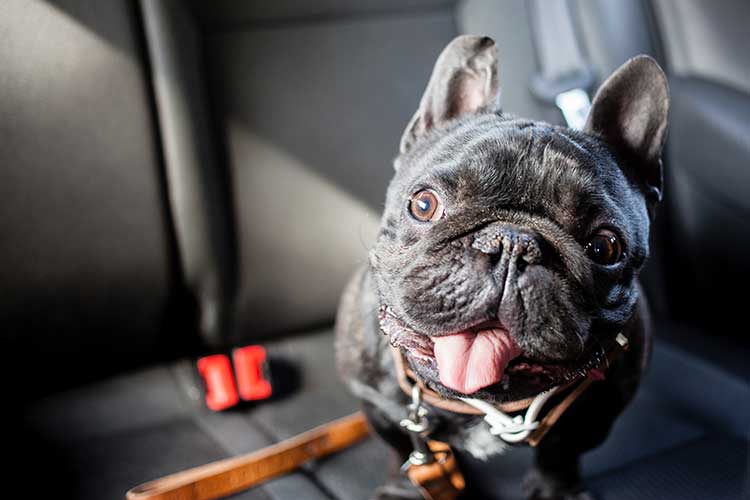
Dog Hates Car Rides
Csák István/Adobe Stock

Many dogs hate riding in cars for numerous reasons. Some dogs will bark, howl, lunge at the window, drool and even throw up. These dogs are clearly uncomfortable, so they learn to hate riding in cars. Before addressing car riding woes, it’s important to understand exactly what is causing your dog’s discomfort first.

Motion Sickness

Nausea is the worst, especially when you’re unable to get away from the cause. Motion sickness is extremely common in dogs. It’s best handled with over-the-counter medication, such as Dramamine and Bonine. For correct dosage, depending on your dog’s age and weight, partner with your veterinarian. Additionally, keep your car’s temperature on the cool side and ensure an AC vent is near your dog. Once motion sickness is prevented, it’s time to take short car rides with lots of treats, so your dog looks forward to riding in a car.

Restlessness

This is a common behavior when dogs are uncomfortable, nauseous or unfamiliar with riding in cars. It’s safest for dogs to ride inside plastic crates or secured with a crash-tested harness. Make sure your dog is comfortable first. Ensure your dog has plenty of space to lie down, stand up and turn around inside your car.

Place a soft bed or thick blankets in your dog’s crate or car seat, and provide plenty of cool water. Play soft music, such as Through A Dog’s Ear, to keep your dog relaxed. If your dog has motion sickness, address it immediately. Take short car rides, while your dog licks away at a super yummy food stuffed toy, and soon your dog will love car rides.

Scared

If your dog is scared to ride in a car, it’s vital to teach your dog that car rides are fun. Not all dogs enjoy car rides since it’s not natural for dogs to ride in cars. Start slow and reward your dog for jumping into the car first. Once loaded inside his crate, give your dog a food stuffed toy to lick, close car doors and turn on the engine while you’re sitting in the driver’s seat.

In the beginning stages, don’t drive anywhere—just let your dog learn that cars make peanut butter stuffed toys appear. After a few minutes, turn the car off and unload your dog. Practice several times a week. Once your dog will happily relax and lick at his toys, then it’s time to take a spin around the block. Continue to add a bit more distance and time while driving, and always bring food stuffed toys along for the ride. This teaches your dog that good things happen during car rides.

Dislikes Seeing Dogs or People

By far, this is the toughest car ride challenge. When dogs are afraid of other dogs and people, they will bark and lunge when these scary things become visible. Teach your dog to ride inside of a crate, and cover the crate with large towels or sheets to block your dog’s view. Additionally, play soft music to drown out dogs barking or people talking while driving. If visual barriers and soft music don’t work, it’s time to reach out for professional help.

When to Get Help

Motion sickness and restlessness due to unfamiliarity with car rides can be easily addressed with medication and dog training. Scared dogs or dogs that dislike people, that panic when riding in cars, may need additional help from a professional dog trainer and veterinary behaviorist.

When in doubt, seek help sooner rather than later.

Filed Under: Dogs, Puppies, Training Tagged With: dog aggressive car rides, dog barks at people during car rides, dog barks during car rides, dog behavior, dog car anxiety, dog car travel, dog hates car rides, dog hates riding in car, dog hates riding in the car, dog scared of car rides, dog training, how to teach a dog, how to train a dog, puppy hates car rides, puppy throws up during car rides, teaching a dog, training a dog, training dogs

Is Your Dog’s Behavior Improving?

October 23, 2017 by Fanna Easter

Improve Your Dog’s Behavior in 3 Steps

Dog's Behavior
melounix/Adobe Stock

When teaching a dog one or several new behaviors, it can be tricky to gauge if a dog’s behavior has permanently changed. Dog behavior can fluctuate depending on the situation and your dog’s health (hey, he might not feel well that day). Before assuming your dog’s behavior has changed, it’s best to follow these steps to ensure your dog’s behavior improves. These steps will also help you identify where your dog’s behavior fell apart.

Step 1: Dog Readily Offers Learned Behavior

You’ll know when a dog has learned a new behavior when he readily offers it during dog training sessions. As an example, dogs learn how to “sit” pretty quickly, especially when they receive a treat for it. They will usually offer a “sit” behavior because it makes cheese appear. When teaching a new behavior, such as “down,” a dog should offer or can be easily lured into this behavior before you continue to step 2.

Step 2: Dog Responds to Cue

Once a dog offers or can be easily lured into a new behavior, it’s time to give it a “cue.” Putting a behavior on cue is extremely important because that’s how to ask a dog to perform a behavior (stimulus control).

If you would like your dog to “sit and stay” around guests, then these behaviors need a name, so your dog will know what to do when you say it around guests. Once a cue (sit) is paired with a behavior (sitting down), your dog should respond to the cue within a few seconds. Continue to practice until your dog responds within a second after hearing the cue. Rewarding generously will certainly speed up the process.

RELATED: Learn From Dog Training Mistakes

Step 3: Dog Performs Around Distractions

Most dogs can “sit,” “down,” “come” and “stay” at home, but can they perform these behaviors in the front yard or park? This is the most difficult part of improving a dog’s behavior. In fact, this is where most pet owners become frustrated and give up. As a general rule, when training your dog, 90% of teaching a new behavior is practiced around distractions. It’s great when dogs “sit” instantly on cue, but it’s even better when dogs can “sit” instantly when guests come over.

Moving from one step to the next certainly shows improvement, so keep practicing! 

Filed Under: Clients, Training Tagged With: dog behavior, dog behavior improving, dog obedience cues improving, dog trainer, dog training, dog training commands getting better, Dog Training Tips, dog's behavior, how to teach a dog, how to train a dog, is dog training working on my dog, is my dog's behavior improving, professional dog trainer, teach a dog, train a dog, training dogs

Does Your Dog Have An Attitude?

July 24, 2017 by Fanna Easter

Dog Attitude Problem

Dog Attitude
frank1crayon/Adobe Stock

So many pet owners are convinced their dogs have a major attitude; I hear it from clients daily. They become extremely frustrated when their dogs ignore cues, run away or destroy furniture. But do dogs really have attitudes? I think the answer just might shock you!

Defining Attitude

Having an attitude means someone or something is uncooperative, selfish, defensive, rude, resentful, defiant, resistant, combative and sometimes aggressive. Wow, while this may sound like your dog’s behavior, it’s important to note these adjectives are human behavior traits.

As humans, we link inexplicable, defiant and frustrating dog behaviors quickly because these traits are linked to human behaviors. Additionally, we tend to justify labeling certain behaviors because it’s what we know and are familiar with, which can be a very slippery slope. Certainly, we all know someone with an attitude, especially in certain situations, but assuming a dog has an attitude doesn’t benefit dogs nor their pet owners.

Drop the Attitude

Take a step back, and look at your dog differently. I know, it’s difficult because I’m asking you to look at your dog from a non-human perspective. When frustrated, pet owners become laser-focused and are determined to attribute human traits to a dog’s behavior. If this happens to you, take a deep breath in and remember dogs are totally different from people. Dogs live in the moment.

In previous blog posts, I’ve discussed that dogs are not vengeful, spiteful or guilty. While it seems like they are those human traits when you find dog poop in your shoe, it’s just not so. When people assume non-humans are displaying human traits, it’s called anthropomorphism.

Honestly, people do this all the time. I know I’m guilty of assuming my car is tired after a road trip, or my toaster is spiteful for burning my toast even though the settings are correct. It’s human nature and, while it’s funny at times, it’s important to understand it’s simply not true. Dogs don’t have attitudes. Dogs do not purposely act uncooperative, defiant or resistant.

Then What’s Really Going on With Your Dog?

Dogs do what works for them. They chew shoes because they’re in front of them. Dogs potty indoors because they need to potty and have not been taught to potty outdoors yet. Popping pillows and chewing furniture is fun, and it’s certainly something to do when bored. Stealing food tastes good and becomes a game. It’s that simple. Dogs don’t have pre-calculated intentions; I promise. 🙂

When dogs ignore known dog training cues, such as “sit,” it’s probably because they got too excited to respond or don’t really know the cue. It’s the same with the “coming when called” cue; most dogs have not practiced it enough to become fluent around running squirrels, passing cars, nearby dogs and so forth. Dogs don’t have attitudes. They may be confused and scared instead.

Before assuming your dog has an attitude, take a moment and look at him from a different perspective. When in doubt, pick up all chewable items, crate your dog when unable to supervise and practice cues daily.

Filed Under: Behavior, Training Tagged With: change my dog's attitude, do dogs have attitudes, does my dog have an attitude, does my puppy have an attitude, dog attitude, dog attitude problem, dog behavior, dog behavior problem, dog training, Dog Training Tips, how to teach a dog, how to train a dog, puppy attitude, training dogs

About

Dog Training Nation is a community of dog trainers, dog owners and dog lovers. Our mission is to provide trainers and owners valuable information to enrich dogs' lives. We cover a range of topics, from socializing puppies to dealing with aggressive dog behavior to selecting the best dog products. It is our hope you share our content to make the dog and owner world a better place.

​

Facebook

Video

Dog Training Nation is a dog training blog for pet owners and dog lovers. We cover a range of topics from puppy socialization tips to dog aggression to dog health. It is our hope you share our content to make the world a better place for dogs.

Dog Training Nation

Quick Links

Dog Training
Dog Behavior
Dog Training Videos
Become a Dog Trainer
About
Contact Us

Copyright © 2026 · Lifestyle Pro Theme on Genesis Framework · WordPress · Log in