What to Do If Your Dog Hates the Vet

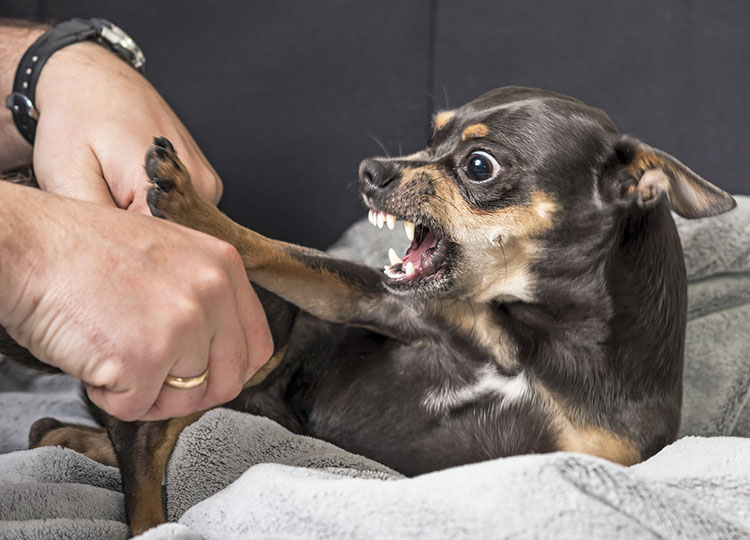
Guess what? I’ve been there, and it’s a tough place to be. Many years ago, I shared my home with a dog that growled, snarled, snapped, lunged and tried to bite our veterinarian and her entire staff. It was gut-wrenching. I know the embarrassment of watching your dog lash out, feeling helpless and frustrated.
Oh, and I know that pit in your stomach. You know, the one that forms while scheduling a vet visit when your dog hates the vet. Yup, that one. Your dog needs veterinary care, but there are things you can do that can positively change your dog’s behavior while keeping everyone safe.
Why Does My Dog Act This Way?
Your dog doesn’t behave this way because he chooses to; he doesn’t know what else to do instead. Basically, your dog is so terrified of the vet that he’s unable to control his behavior. It’s that simple. It’s easy to blame the dog; I see it every day. However, it’s not your dog’s fault for not being able to control his behavior in this stressful situation.
The good news is you can change your dog’s behavior. It may take awhile, but it’s completely worth it because it keeps everyone and your dog safe. Just remember, pairing good things with scary situations will eventually change your dog’s behavior. It works, so stay the course.
How to Change Your Dog’s Behavior
Train Your Dog to Wear a Muzzle
If your dog has lunged or snapped at the vet, your dog has been muzzled before. Muzzling a frightened dog is difficult and it certainly will cause a frightened dog to panic even more. Instead of muzzling your dog at the vet’s office, positively teach your dog that wearing a muzzle is a good thing.
For this behavior, I recommend using a basket muzzle and lots of yummy treats. Check out my favorite video on teaching your dog to love wearing a muzzle.
Muzzle training tips:
- Practice at home first.
- Keep sessions short like 1-2 minutes at a time.
- Once your dog is comfortable wearing his muzzle, take your dog to your vet’s office with his muzzle on.
- It will take 1-2 weeks of daily practice until your dog is comfortable wearing a muzzle.
In the beginning, just driving over to the veterinary office while your dog wears a muzzle is good practice. Then, you should reward your dog for comfortably wearing his muzzle while sitting in the car in your vet’s parking lot and later for walking around the parking lot. Move slowly and reward often, especially when you move to a new location. Soon, your dog will learn that getting dressed, or wearing his muzzle, means good things will happen.
Also, if you’re new to clicker training, check out this clicker training article. If you’re uncomfortable using a clicker, you can use a verbal marker, such as “yes.”
Teach Body Restraint at Home
Being held down by a complete stranger is definitely weird—no wonder our dogs freak out at the vet! All dogs (and puppies) should learn that restraint makes good things happen. It’s best to start teaching this dog behavior at home and practice for weeks before your dog (or puppy) goes to the vet’s office. During my puppy and basic manners group class, we focus on body handling and restraint, and pet owners practice daily with their dogs.
WATCH: Train Your Dog to Enjoy Body Handling
Oh, don’t forget! When your dog is being restrained during vet visits, stand next to your dog and reward him. I bring peanut butter filled Kongs and hold one next to my dog’s mouth. That way, my dog can happily lick away while being restrained. If your dog is muzzled, I recommend using canned squeeze cheese as a reward. This way, you can poke the canned cheese nozzle through your dog’s basket muzzle and squirt away during your dog’s exam.
If All Else Fails, Try Meds
Sometimes, it’s best to sedate your dog. I know it’s hard, but it may be the best option. Remember, the more your dog practices a behavior, the stronger it gets. If your dog is sedated, he won’t remember what happened, which is a good thing. Also, sedating your stressed dog will allow your veterinarian to conduct a successful physical exam.
If your dog needs to be sedated, speak with your veterinarian first. Your vet will recommend specific medications to calm your dog before a vet visit, such as Trazodone, Valium or Xanax. Please, don’t give your dog acepromazine. It doesn’t prevent your dog from panicking. Check out why acepromazine should never be used as a sedative.
Remember: If your dog could do better, he would do it. Changing behavior takes time, so keep practicing! Also, you’re not alone, we’ve all been there.