How to Stop Bad Dog Behavior

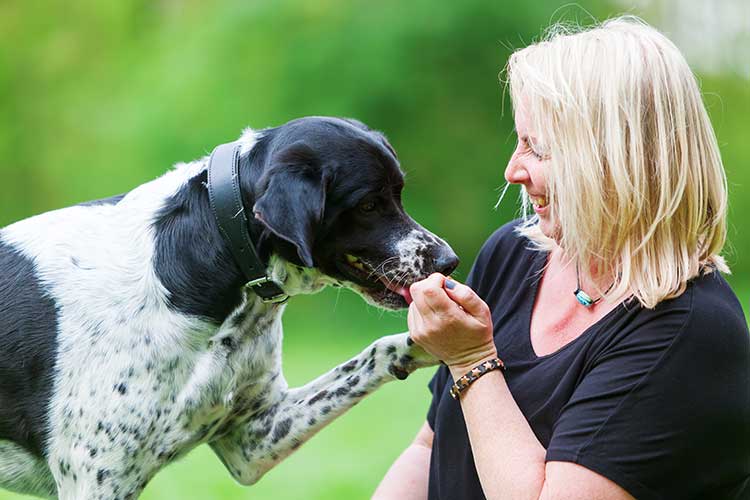
Dogs will be dogs. They bark, run away, chase squirrels, dig, rough house and get super excited. Interestingly, these unwanted behaviors are natural dog behaviors; they’re part of being a dog. Dogs don’t understand why humans find these fun behaviors so annoying.
To stop bad dog behaviors, many pet owners tend to scream “no” or physically punish their dogs. However, there’s a more positive way to interrupt your dog’s behavior. Interrupter cues stop unwanted behaviors by having your dog do something else. Learn how you can incorporate this cue in your training.
Choose a Positive Interrupter Cue
An interrupter cue stops unwanted behavior, so you can redirect your dog’s attention. Yelling “no”or “stop it” doesn’t work, and it will likely frighten your dog. Plus, pet owners tend to become angry when saying “no,” which snowballs into an angry hot mess.
Using a positive word as an interrupter makes a huge difference. Try screaming “no” out loud; it’s a bit scary as it echoes out of your mouth. Now scream “cupcake” out loud. Can you hear and feel the difference? It’s hard to be angry when screaming “cupcake” unless that’s your dog’s name and she’s running away from you. 🙂 This tiny difference is why it’s so important to choose a positive and fun word as an interrupter cue.
An interrupter cue can be a verbal cue (“treat”) or physical cue (one finger touches dog’s body). When choosing a verbal cue, pick something fun and quick, such as:
- Treat
- That’ll do
- Woohoo
- Cupcake
- Sprinkles
- Tequila
- Beer
- Cookie
While it’s tempting to use your dog’s name, many pet owners have used it so much that their dogs ignore it. Some pet owners sound like they’re screaming “no” when saying their dogs’ name too, so use a new cue. For hearing impaired dogs, a simple finger touch on their back works beautifully as an interrupter cue.
Once you’ve chosen a positive interrupter cue, pair it with super yummy food.
How to Introduce an Interrupter Cue
Grab lots of super yummy treats, such as baked chicken, chopped up hot dogs or cheese cubes. Treats are your dog’s paycheck, so skip commercial dog treats and use the good stuff! The better the treat, the faster your dog will respond to an interrupter cue.
Start Indoors First
An interrupter cue stops your dog from doing a specific behavior. When your dog is walking forward or looking out of a window, an interrupter cue will stop this behavior. Once a behavior is stopped, it’s important to reward your dog for doing something else like stopping the previous behavior and looking at you.
Start with your dog in the living room and say your interrupter cue. The moment your dog turns around and looks at you, say “yes” (marker word) and give your dog a treat. Practice this behavior 5 times in a row, and then end it. Continue to practice in short training sessions indoors and reward your dog every time he responds to the interrupter cue.
Once your dog responds to the interrupter cue 90% of the time, use the interrupter cue randomly throughout the day. While watching TV, if your dog barks out the window, say “treat” and generously reward your dog when she stops barking and looks at you. Drop your dog’s earned treat at your feet, so your dog walks over to get the treat. This teaches your dog to hang around you instead of the window.
Practice Outdoors
When your dog becomes really good at this behavior indoors (i.e. responds 90% of the time), it’s time to practice the behavior outdoors. Leash your dog and practice saying the interrupter cue, marking and rewarding this behavior for 1-2 minutes. Practice daily for 1-2 minutes with your dog on leash.
Keeping your dog on leash during the first steps of the learning process prevents your dog from wandering off and increases your chances of success. Once your dog will respond quickly to your interrupter cue, take your dog’s leash off and practice saying your interrupter cue and generously reward good behavior.
Using an Interrupter Cue With Multiple Dogs
If you share your home with multiple dogs, practice introducing an interrupter cue indoors with one dog first. Once the first dog responds to your interrupter cue 90% of the time, bring another dog into the mix. Mark and reward each dog when she responds. Once all dogs respond quickly, it’s time to practice with one leashed dog at a time outdoors.
When to Use an Interrupter Cue
Once your dog consistently responds to an interrupter cue, it’s time to use this valuable cue when your dog is barking, playing roughly or digging. Remember, an interrupter cue will only stop bad dog behavior, so ask your dog to do something else.
When indoors, most dogs will stop and look at you once they hear the interrupter cue, so reward this behavior generously. If your dog is in another room or outdoors, say the interrupter cue and toss the reward next to your feet. This will stop your dog’s unwanted behavior and teach him to come to you for the treat. When dogs are playing too roughly, say the interrupter cue and reward each dog the moment she stops playing and looks at you.
It’s important to note that an interrupter cue is different than the “look at me” cue because the interrupter cue is used to stop your dog’s unwanted behavior (barking), so you can redirect him to do something else (look at you). Of course, you can certainly reward your dog the moment she stops barking with a marker word and toss a treat next to your feet. Usually though, unless the dog walks away from the window or digging pit, the unwanted behavior will quickly resume.
What If the Unwanted Behavior Happens Again?
Sometimes, barking, playing and chasing squirrels resumes immediately after hearing an interrupter cue. When this happens, say the interrupter cue again and remove your dog from the situation. Close blinds for window barking, separate rough playing dogs temporarily and bring your dog indoors. This prevents dogs from reengaging in the behavior.
Make interrupter cues more fun than barking, digging and playing, and you’ve hit the jackpot!