Preventing & Treating Separation Anxiety in Dogs

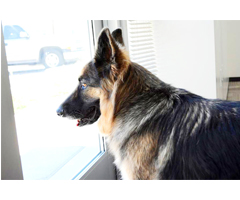
Is your dog barking due to separation anxiety (SA)? Learn how to identify and prevent dog separation anxiety, and how to seek professional help if needed.
What is Separation Anxiety?
Separation anxiety occurs when a dog has a panic attack when left home alone. It’s like your dog freaks out and can’t control his terror or panic. He’s terrified to be left alone.
Dogs with mild separation anxiety usually pant heavily, vocalize, spin in their crates or at the back door when they’re left alone. Moderate to severe SA dogs will self-mutilate themselves trying to escape, such as ripping out their teeth or crashing through glass windows in an effort to escape.
Identifying Separation Anxiety
As a professional dog trainer, I can usually spot dogs predisposed to separation anxiety. It’s almost like they’re super sensitive and feel things at a deeper level than most dogs. Lovingly, I refer to them as “velcro dogs,” as dogs with separation anxiety are always by your side and looking into your soul. 🙂
Most dogs with anxiety follow you from room to room, watch over you while taking a shower or bath (I think they’re making sure you don’t drown), scream in excitement when you come home and crawl in your lap when you’re sad.
While most dogs will bark and whine when they’re alone, especially when left in a crate, it’s important to differentiate between a dog that isn’t crate trained and a dog with separation anxiety.
When in doubt, revisit “Crate Training Tips” to brush up on your crate training skills. If after putting those dog training tips in practice and your dog still stresses out, then you need to seek professional help from animal behaviorists.
Still not sure if your dog has separation anxiety? Record your dog when left alone.
If you don’t have a dog monitor camera, use Skype or FaceTime.
How to Prevent Separation Anxiety in Dogs
Our behavior is critical to preventing and managing separation anxiety in dogs. Many times, pet parents reward separation anxiety behaviors because it’s really reinforcing us to be unconditionally loving and we don’t want to upset our velcro dog.
Trust me, I totally understand the feeling and emotion when coming home to your dog. He celebrates with unbridled enthusiasm and vocalizes as if his heart is full again. He’s thinking, “You’re home!” Be careful though. It’s not fair to your dog when you reinforce his excitement for your arrival. He needs to learn coping skills when left alone.
- Make leaving uneventful
- Give your dog a yummy food stuffed toy about 5 minutes before leaving.
- Get your car keys, say nothing to your dog and leave.
- Make your return uneventful
- The moment you step into the door, ignore your dog. Trust me, I know it’s hard! Not only are you preventing SA, you’re teaching your dog not to jump on you.
- Set your keys down and then take your dog out to potty.
- Once he potties, then reward your dog, but keep celebrations to a minimum. No more happy dances. 🙂
- Teach your dog that alone time is good
- When taking a shower:
- Give your dog a food stuffed toy.
- Close the bathroom door to separate you and your dog.
- When opening the door, don’t celebrate.
- When leaving for 5-10 minutes:
- Get the mail alone every other day.
- Work in the yard alone for 10 minutes, then bring your dog out to enjoy yard work.
- Close a door between you and your dog for a few minutes every day to teach your dog how to be alone.
- When taking a shower:
Additional Valuable Tips
- Exercise your dog or puppy daily. Most tired dogs will sleep when left alone.
- Pair yummy food stuffed toys with leaving. This redirects his attention rather than worry about being left alone.
- Turn on calming music for dogs. Personally, I use and recommend Through A Dog’s Ear CDs or downloads. They’re very relaxing—even for me. 🙂
- Invest in pheromone plugins or sprays. These emit pheromones mimicking a nursing mother dog and have proven very effective with dog separation anxiety cases.
Yes, in the past and currently, I share my home with SA dogs with variable degrees of anxiety. It’s a tough road, but with professional help, this can be successfully managed and your dog can learn to be alone.
When Separation Anxiety is Serious
If your dog displays moderate-to-severe separation anxiety symptoms, you need professional help.
Your dog’s behavior will only worsen. It won’t resolve itself, and your dog won’t get over it. I’ve witnessed dogs de-gloving their ears trying to escape from their crates. One client’s dog amputated his own tail, trying to escape his home when left alone. It can get that serious.
What are your questions about separation anxiety? I’m listening!